There is absolutely nothing like the magic of Germany during the holidays. It is the ultimate winter getaway for couples, friend groups, and solo travelers who want to step straight into a real-life snow globe. From the scent of roasted almonds and mulled wine to the backdrop of historic cathedrals and medieval squares, a German Christmas Market trip is an unforgettable bucket-list experience.
Want your Christmas market trip mapped out before hotels sell out?
Let's start planning →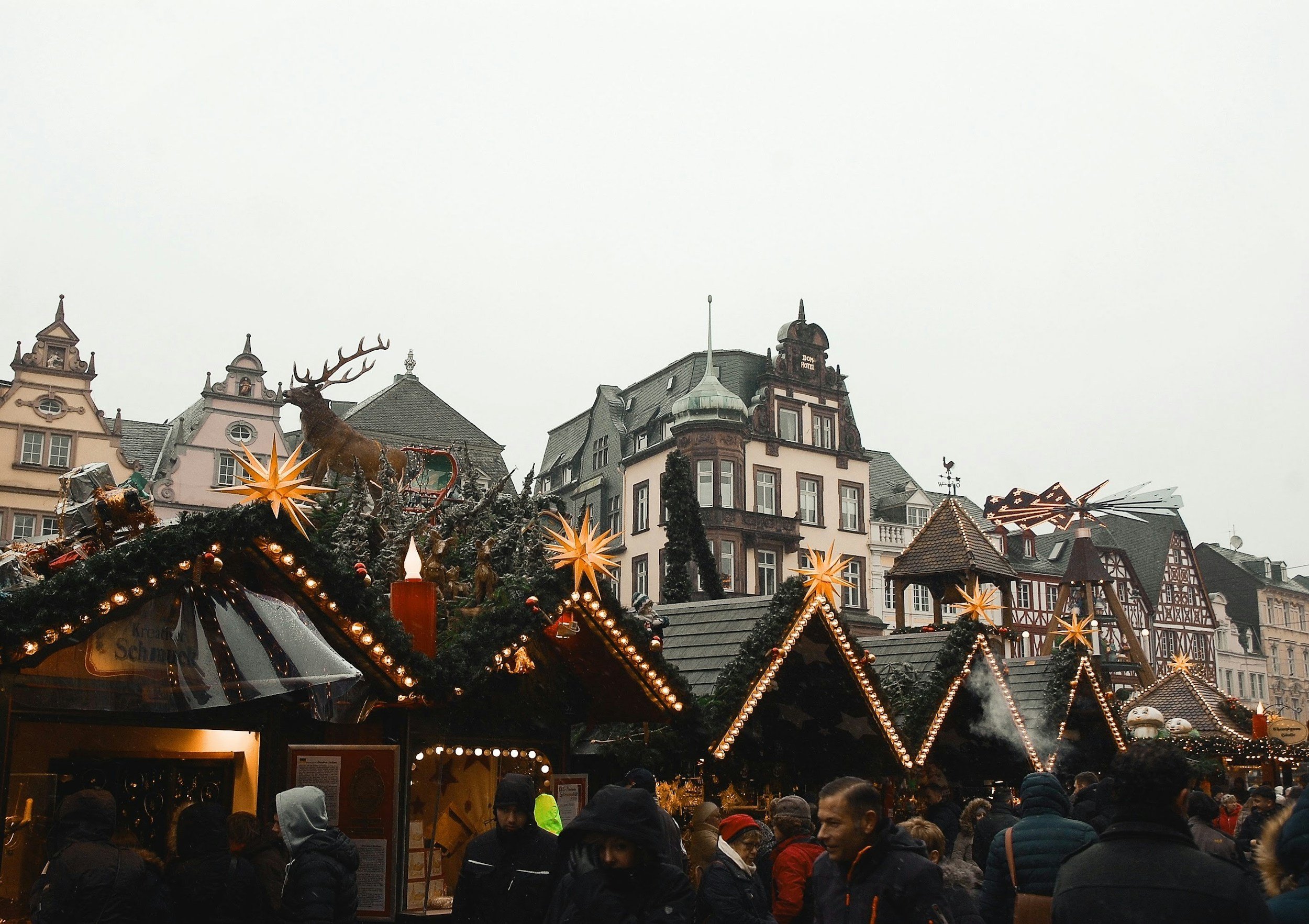
TLDR;
When do German Christmas markets run?
Late November through December 24th, with a few Berlin locations extending into the New Year.
What's the best base city for day trips?
Frankfurt, Munich, or Cologne — each puts you within easy rail reach of multiple markets.
What is the "Pfand"?
A €3–€5 mug deposit for Glühwein — return the mug for cash back, or keep it as a keepsake.
Do I need cash?
Yes — many stalls don't take cards. Budget €30–50 per market visit.
Where Should I Stay for a German Christmas Market Trip?
Your accommodation and travel style will shape your entire festive experience. Because premier boutique hotels in prime Old Town locations—especially in Nuremberg, Cologne, and Dresden—sell out months in advance, the absolute best time to secure your itinerary is right now.
Here are the best ways to do it:
The Hub-and-Spoke Hotel Stay: Make a vibrant city your home base and take day trips. Germany's rail network is incredibly efficient, and most markets are just a short walk from the central station. For the most flexibility on a week-long trip, a mix of train and car travel is ideal. My favorite hub strategies include:
| Hub City | Day Trips |
|---|---|
| Frankfurt | Heidelberg, Rothenburg, Würzburg |
| Munich | Nuremberg, Regensburg, Augsburg, Passau |
| Cologne | Aachen, Trier, Koblenz |
Luxury River Cruising: This is a wildly popular option for clients who want to experience multiple markets across different cities without ever having to change hotels or unpack twice.
What to Do & Insider Tips:
The markets run from late November through December 24th, with a few locations in Berlin extending into the New Year. Early December weekdays strike the sweet spot—festive atmosphere, manageable crowds, and lower hotel rates than the final stretch before Christmas.
Here’s how to make the most of it:
Explore the Icons & Hidden Gems: For classic scale, visit the iconic Nuremberg Christkindlesmarkt, Germany's oldest market in Dresden (the Striezelmarkt), or the bustling markets near the Cologne Cathedral. You absolutely cannot miss Rothenburg ob der Tauber for a truly medieval atmosphere; it is arguably the most picturesque setting in the country. For a more intimate vibe, we can route you to hidden gems in wine-region towns like Würzburg, Bernkastel-Kues, and Freiburg.
What Is the Pfand, and How Does It Work? When you buy a mug of Glühwein (mulled wine) or Kinderpunsch (non-alcoholic), you will pay a small deposit of €3–€5. You can return the ceramic, city-specific mug to the stall to get your cash back, or simply keep it as the perfect keepsake!
Eat Everything: Don't miss out on the traditional Bratwurst, Lebkuchen (gingerbread), Stollen (fruit bread), and Gebrannte Mandeln (sugar-roasted almonds).
The Sunday Shopping Rule: While the Christmas market food and drink stalls stay vibrant and open on Sundays, standard retail shops and boutiques in Germany are strictly closed on Sundays by law. Plan to do your high-street and souvenir shopping on Fridays and Saturdays!
Bring Cash and Layer Up: Many stalls do not accept cards, so budget about €30–50 per market visit for food, drinks, and small gifts. Because the sun sets early, bundle up with a waterproof coat, warm boots with grip, a hat, and gloves for those long, magical evenings.
Know Your Tickets & Fees: Most markets are completely free to enter, but there are a few exceptions, such as Berlin's Gendarmenmarkt (which charges around €2 at peak times). Some highly unique specialty markets, like the Ravenna Gorge market in the Black Forest, require advance tickets.
What Time Does It Get Dark in Germany in December? Remember that darkness falls around 4:30 PM in December. I always advise planning your indoor sightseeing, museum visits, or castle tours for the morning hours, dedicating your late afternoons and evenings entirely to the illuminated, magical market atmosphere.
Navigating the Squares: Keep in mind that in smaller medieval towns like Rothenburg, the market is one central experience. In larger hubs like Cologne, Munich, or Berlin, there are actually multiple distinct, themed markets scattered across different city squares. For these larger cities, we'll map out the local tram or subway routes so you can zip between themes effortlessly.
Start Planning Now
Not ready for a fully custom itinerary? Here's how to start getting ready for your German Christmas Market trip today — book your airport transfer, reserve skip-the-line tickets and guided walks, or grab an eSIM before you land.
Vetted Experiences & Resources
- 🔗 Local Tours & Activities: Get Your Guide: German Christmas Market Tours →
- 🔗 Guided History Walks: Context Travel: Expert-Led Walks of German Old Towns →
- 🔗 Skip-the-Line Tickets: Tiqets: Museums & Attractions →
- 🔗 Capture the Trip: Flytographer: Germany Photo Sessions →
- 🔗 Airport Transfers: Welcome Pickups: Private Transfer to Your Hub City →
- 🔗 Stay Connected: Airalo: Germany eSIM Data Plans →
- 🔗 Pack Like a Pro: GoEverFar: Travel Toiletry Kits →
- 🔗 Airport Lounge Access: Priority Pass: 1,300+ Lounges Worldwide →
Want more options? Head to the Vault → for my full list of vetted travel partners.
Disclosure: Some links on this page earn me a commission at no cost to you.
If Not Germany, Then Where?
If you love the idea of sipping hot wine and shopping for ornaments in a historic square, but want to explore beyond Germany, here are two incredible alternatives that capture that same festive magic:
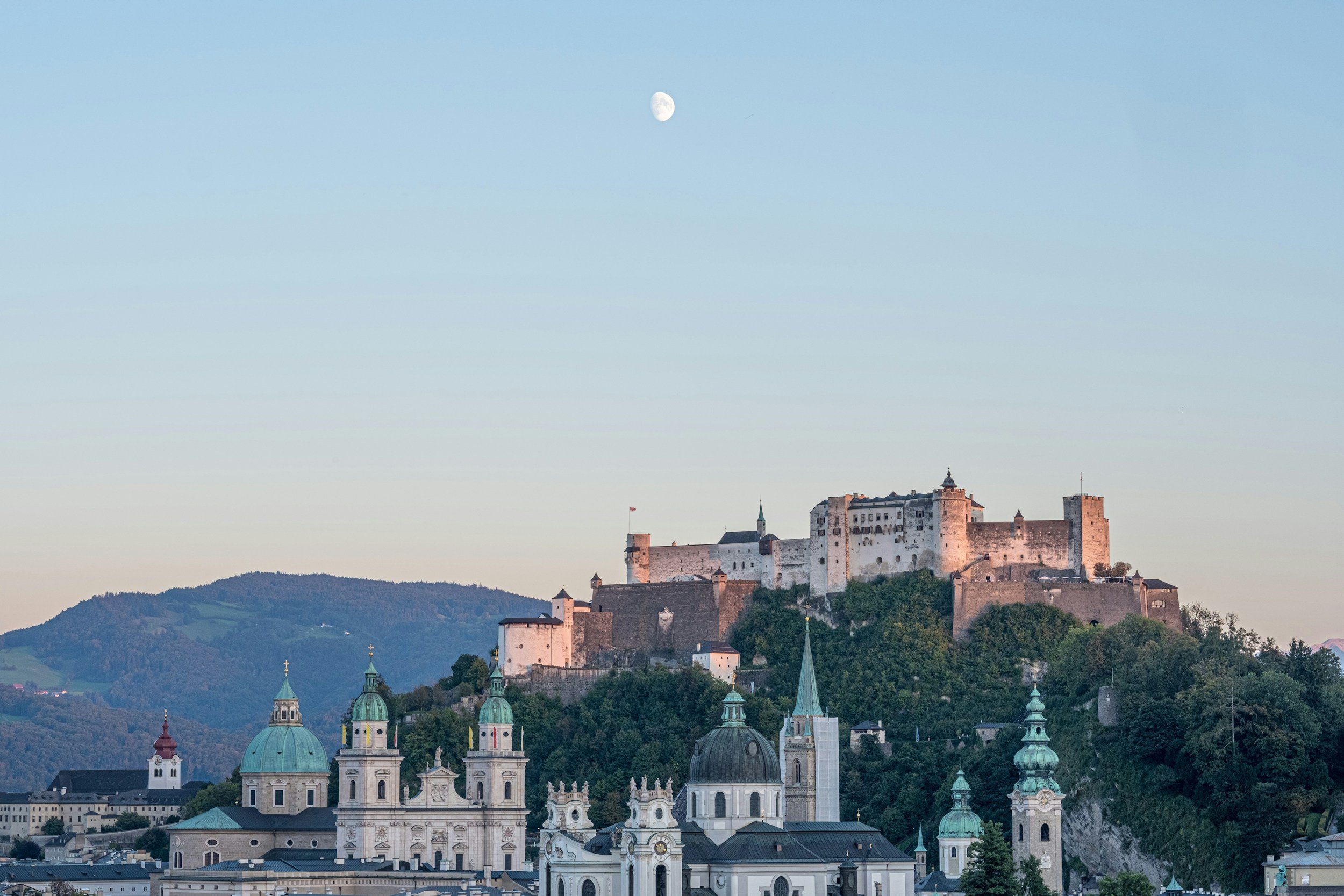
📍 Vienna & Salzburg, Austria
The Vibe: Imperial elegance, classical music, and some of the most stunning, aristocratic market backdrops in the world.
The Highlight: The market in front of Vienna's Schönbrunn Palace offers an unmatched regal atmosphere, while Salzburg gives you that cozy, snow-globe Alpine charm.
📍 Strasbourg & Colmar, France
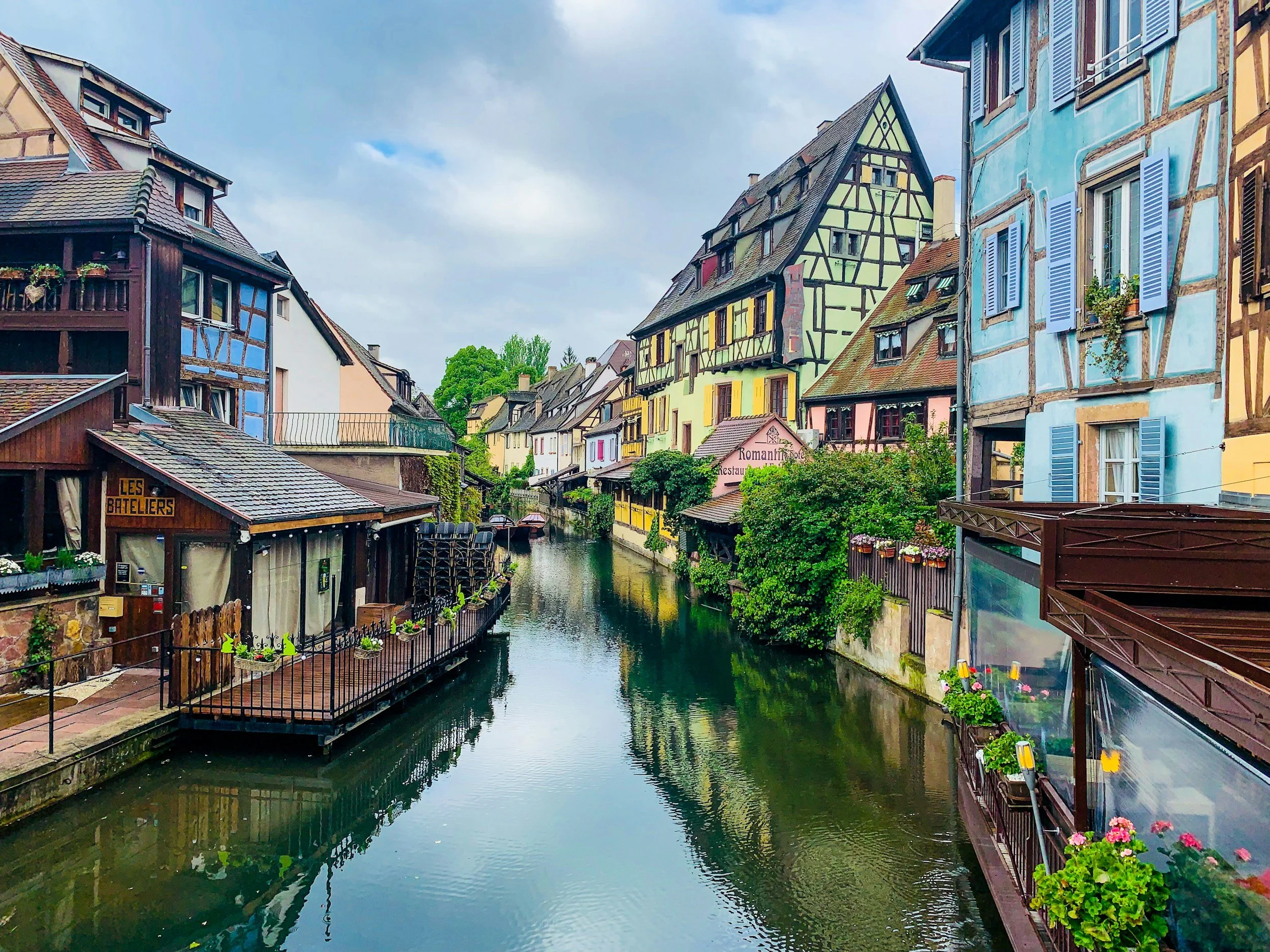
The Vibe: The Alsace region blends French and German cultures, creating picturesque, half-timbered villages dripping in elaborate, over-the-top holiday decor.
The Highlight: Strasbourg famously calls itself the "Capital of Christmas," and its markets are sprawling and spectacular, perfectly paired with the region's phenomenal white wines.
Ready to hand over the logistics so you can just show up and celebrate the season? Tap the link in my bio to connect, and let's curate your perfect winter itinerary!