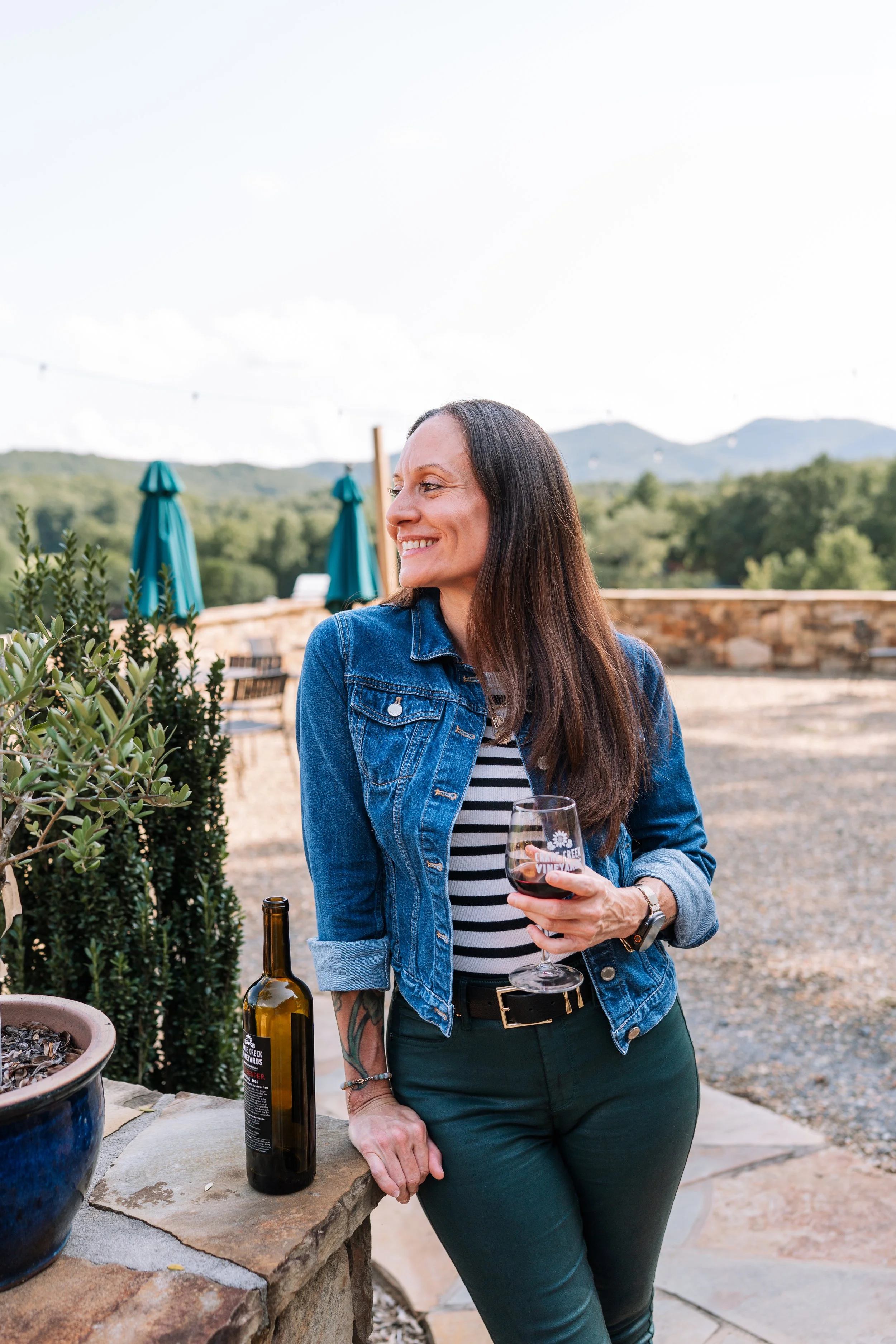
France: The Complete Wine & Travel Guide
From vineyard to table — what to drink, where to go, and who made it.
What Makes French Wine Worth Traveling For?
France gave the world the vocabulary of wine: terroir, appellation, cru. Nowhere else is the link between a specific piece of land and what's in the glass so carefully mapped, which means no two regions taste alike and a trip here is a lesson in place. For someone who wants to travel with intention, French wine is the thread that connects the landscape, the table, and the people who have worked the same vines for generations.
This guide covers seven regions worth knowing, the grapes to look for, when to go, where to stay, how to get around, and how to start planning, whether that's booking a tour or building a fully custom trip.
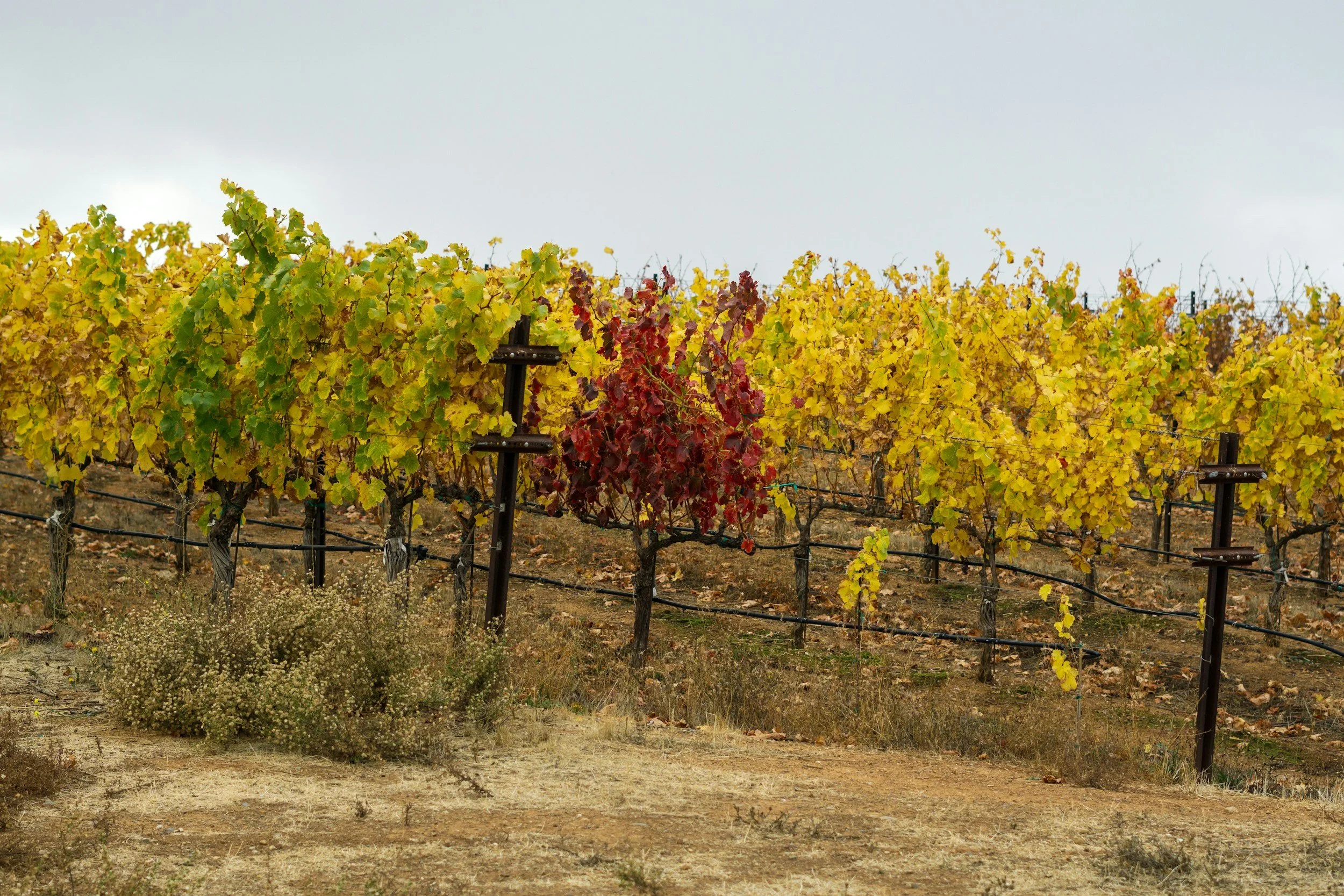
I build custom French wine trips — estates, stays, and fully curated itineraries. Or explore the vetted experiences below and start planning today.
Start Planning With Me →TLDR;
What's the best time to visit France for wine?
Late September through October — harvest season — is the best time to visit French wine country. The vineyards are active, estates are at their most welcoming, and the light across the hills is extraordinary.
May and June are a strong second choice if you want fewer crowds and easier access to smaller estates.
Avoid August — many family-run estates close or limit visits, and the main routes are crowded.
Is Burgundy or Bordeaux better for beginners?
Burgundy is the better starting point for most first-time wine travelers. It's compact, village-based, and built around two grapes, Pinot Noir and Chardonnay, so it's easy to understand what you're tasting. Bordeaux is grander and more formal, with larger châteaux and blends that make more sense once you have a frame of reference.
Tasting a Burgundy next to a Bordeaux is one of the best ways to understand how place shapes wine.
Where do wine experts stay in Burgundy?
Wine professionals visiting Burgundy typically base themselves between Beaune and Puligny-Montrachet, which puts you within a short drive of the Côte d'Or's best-known villages and producers.
A village hotel in the heart of the Côte de Beaune lets you walk to dinner and keep your days unhurried. A countryside estate offers more privacy if you prefer to settle in.
Where can I find women-owned wineries in France?
Burgundy has the strongest concentration I follow, including Domaine Agnès Paquet and Château de Béru in Chablis. I also look to the Loire (Les Terres Bleues), the Languedoc (Domaine Jones), and the Jura (Maison Maenad).
Can I ship wine home from France?
Yes — you'll need a licensed shipper, and most estates and wine shops can arrange this for you on the spot. Expect to pay roughly €100–200 for a 6-bottle case door-to-door, plus U.S. customs duty and taxes on arrival.
Start Planning Now
Not ready for a fully custom itinerary? Here's how to start getting ready for France today — book local tours, pack like a pro, or reserve guided experiences directly.
Vetted Experiences & Resources
- 🔗 Local Tours & Activities: Viator: France Tours & Activities →
- 🔗 Guided History Walks: Context Travel: Expert-Led Walks →
- 🔗 Skip-the-Line Tickets: Tiqets: France Attractions →
- 🔗 Rental Cars: DiscoverCars: Compare Rates for Wine Country →
- 🔗 Capture the Trip: Flytographer: France Photo Sessions →
- 🔗 Stay Connected: Airalo: eSIM Data Plans →
- 🔗 Airport Transfers: Welcome Pickups: Private Transfer to Your Hotel →
- 🔗 Airport Lounge Access: Priority Pass: 1,300+ Lounges Worldwide →
- 🔗 Pack Like a Pro: GoEverFar: Travel Toiletry Kits →
- 🔗 Travel Insurance: Faye → or RoamRight →
Want more options? Head to the Vault → for my full list of vetted travel partners.
Disclosure: Some links on this page earn me a commission at no cost to you.
France's Wine Regions
France has more than a dozen major wine regions, and every one of them is worth a trip. For this guide, I'll focus on the seven that matter most for travel and for the table, plus two lesser-known regions for the curious.
Northeast France
Champagne — Chalk, Bubbles, and Quiet Villages
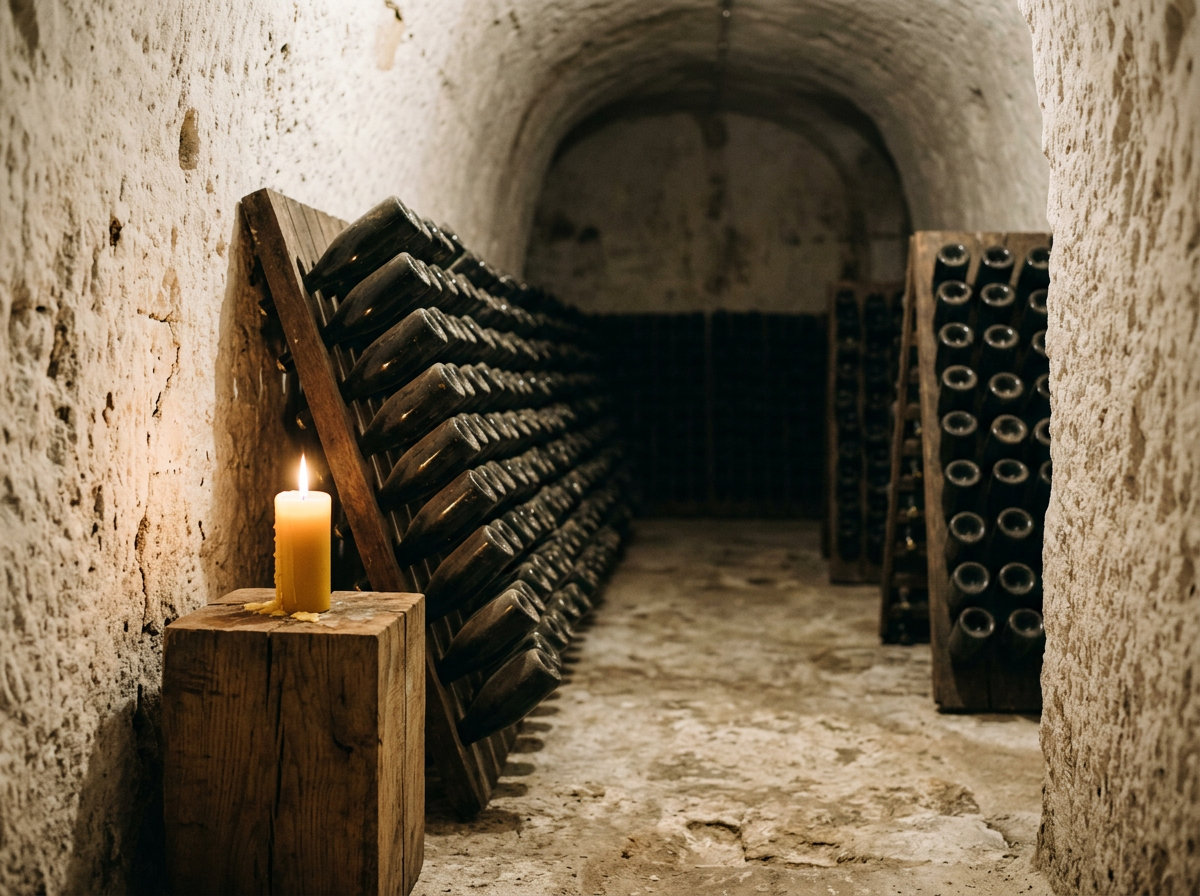
An hour or so east of Paris, Champagne is built on chalk. Its cellars run deep under Reims and Épernay, and the sparkling wine made from Chardonnay, Pinot Noir, and Pinot Meunier is shaped as much by what's underground as what's above it. Grower estates offer a more personal alternative to the grand houses, and a long lunch is part of the experience.
Alsace — Where France Meets Germany
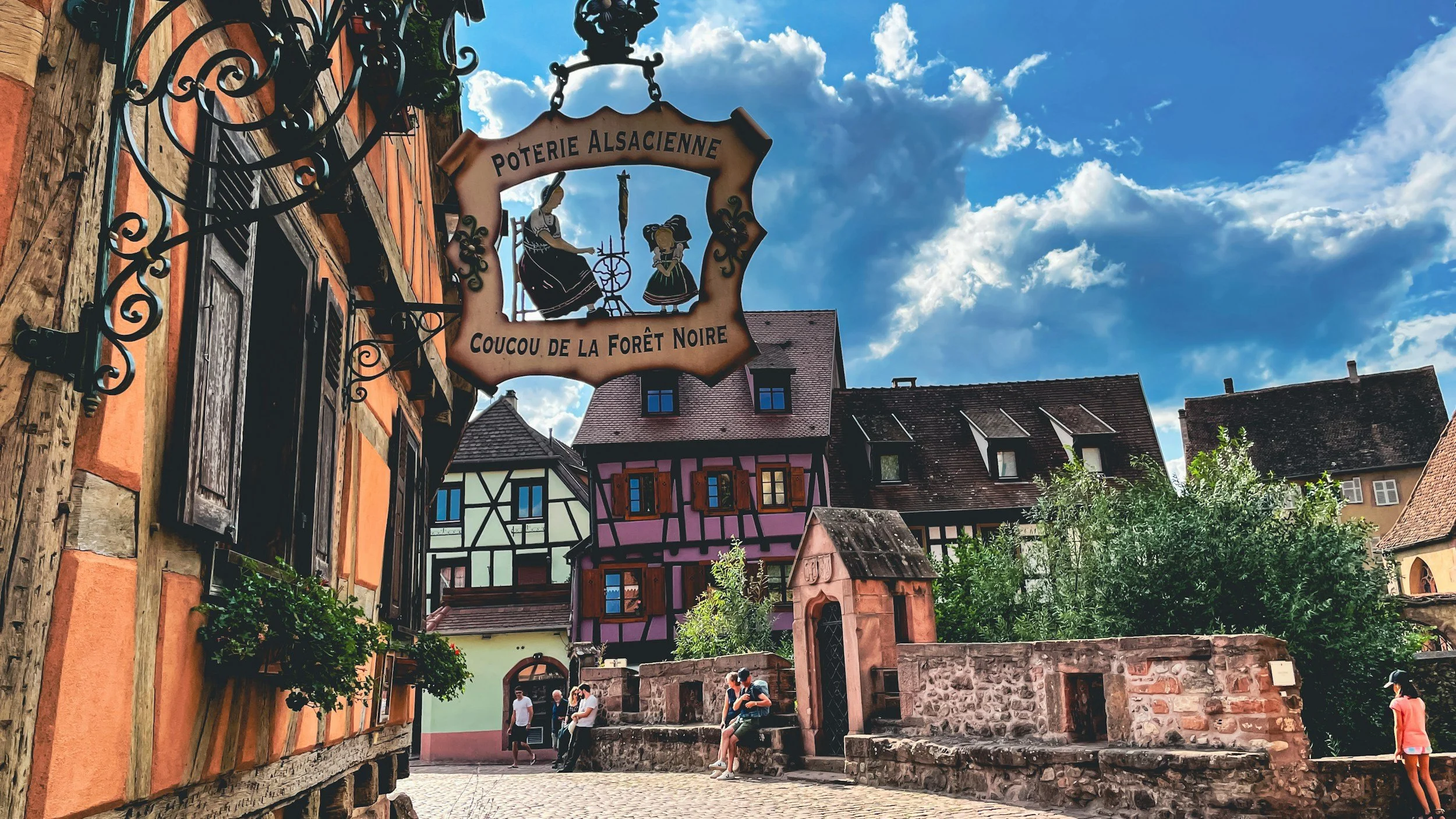
Tucked against the Vosges Mountains on the German border, Alsace is compact and walkable, with half-timbered villages strung along the Route des Vins. It's the region to visit for aromatic whites: Riesling, Gewürztraminer, and Pinot Gris, usually dry and food-friendly.
Burgundy & the Rhône
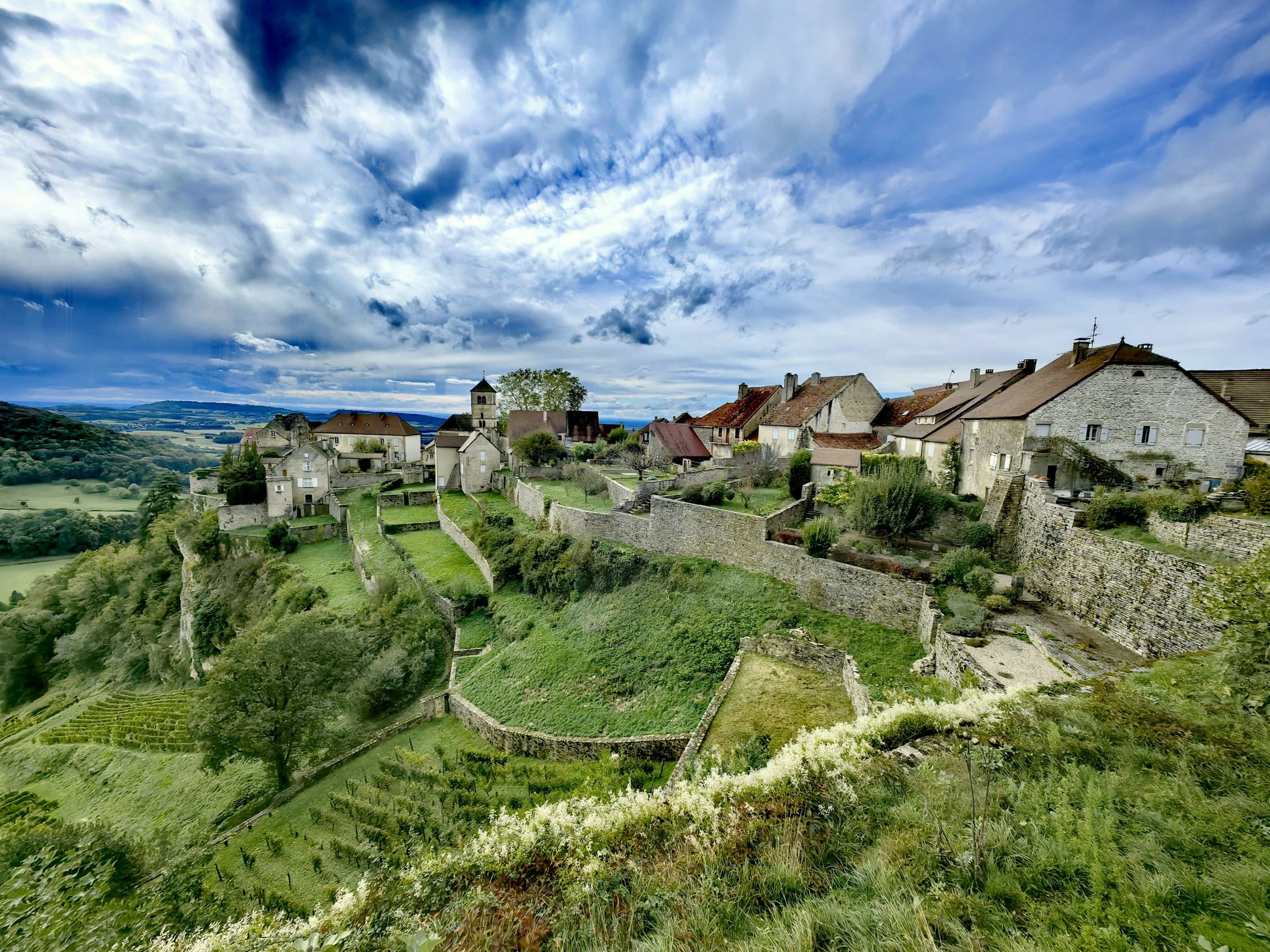
Burgundy — The Côte d'Or and Chablis
Burgundy is a region of tiny parcels called climats, each with its own character. In the Côte d'Or, Pinot Noir and Chardonnay express the differences between neighboring vineyards with remarkable precision. North of the Côte d'Or, Chablis makes crisp, mineral Chardonnay. Appointments matter here, so I book tastings in advance.
Rhône Valley — Syrah and Gastronomy
The Rhône runs from Lyon to the Mediterranean. In the north, steep terraces produce structured Syrah and perfumed Viognier. In the south, warmer vineyards yield rounder blends led by Grenache. Lyon is widely regarded as France's food capital, so it works as a gateway for both the wine and the table.
Western France
Bordeaux — Châteaux and Sauternes
Bordeaux is the most formal region in this guide. The Left Bank's gravelly soils favor Cabernet Sauvignon, the Right Bank leans toward Merlot, and Sauternes makes golden dessert wines from grapes touched by noble rot. I'd plan fewer, longer visits rather than a long list.
Loire Valley — Châteaux and Chenin Blanc
France's longest river threads through a landscape of tuffeau-stone châteaux and gentle vineyards. The Loire is one of the gentlest wine trips in France, with Chenin Blanc, Cabernet Franc, and Sauvignon Blanc as the stars. It's under an hour and a half from Paris to Tours by train.
The South & Beyond the Classics
Provence — Rosé Country
Provence is the world's rosé capital, best from late spring through early autumn. Choose between the Var's Côtes de Provence estates and the Luberon's hilltop villages, and keep the days unscheduled enough to enjoy the light.
Languedoc and the Jura
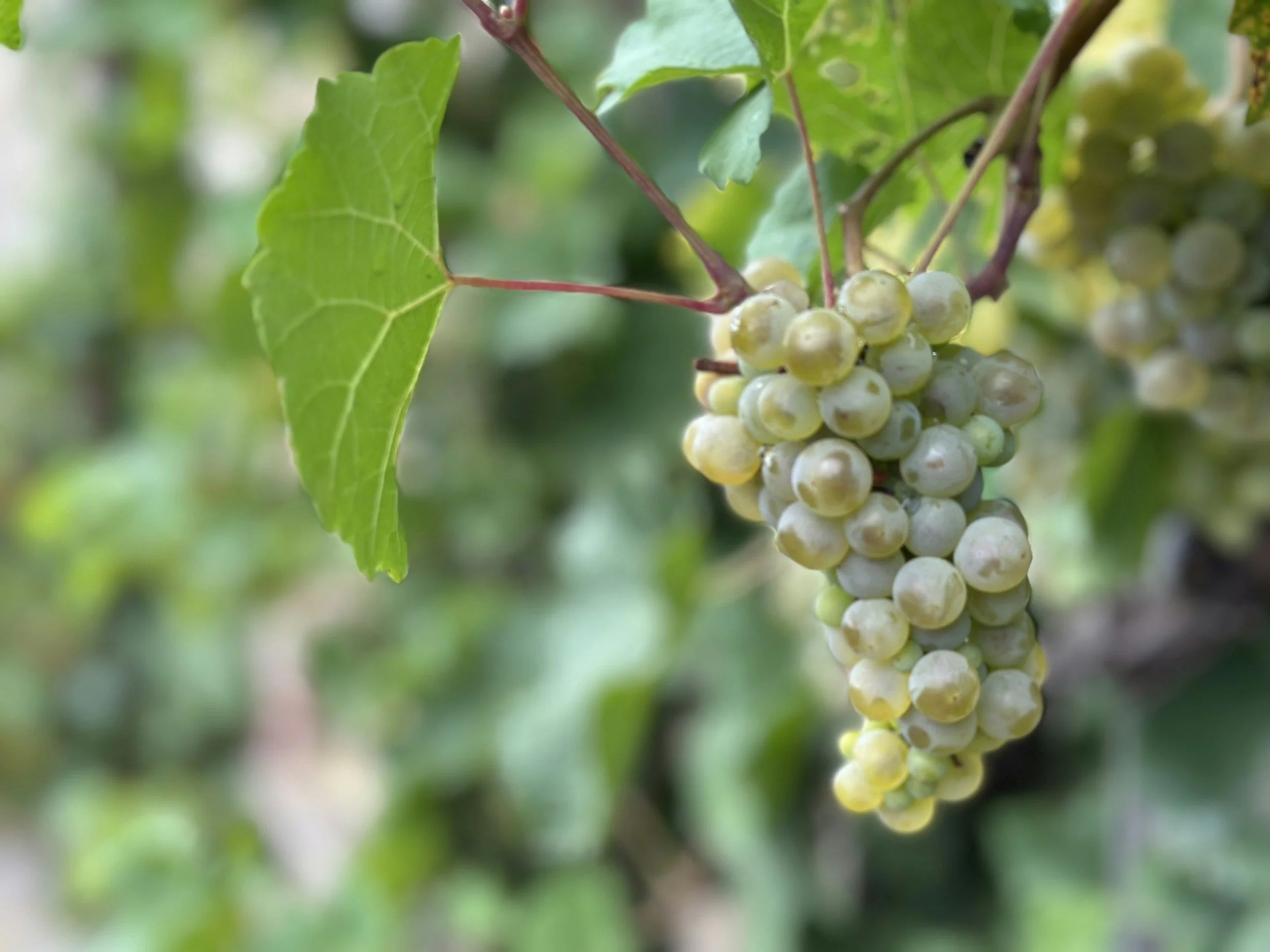
If you've done the famous regions, the Languedoc and the Jura reward the curious. The Languedoc is a vast, sunny region of experimental producers. The Jura, near the Swiss border, is known for distinctive, oxidative whites. Both are quieter than the classics and home to producers I'm happy to point you toward.
Women-Led Producers to Know: Domaine Jones in the Languedoc and Maison Maenad in the Jura.
Not sure which region fits you? Tell me what you love and I'll match you.
Start a conversation with me →What Grapes Should I Know Before Visiting France's Wine Country?
You don't need to memorize every appellation — just the handful of grapes that define each region you're visiting.
| Region | Key Grapes | What to Know |
|---|---|---|
| Champagne | Chardonnay, Pinot Noir, Pinot Meunier | Chardonnay = Blanc de Blancs. Pinot Noir adds structure. Grower estates offer the most personal visits. |
| Burgundy | Pinot Noir, Chardonnay | Pinot Noir = red Burgundy. Chardonnay = white Burgundy and Chablis. Tiny vineyard parcels drive the price and the character. |
| Bordeaux | Cabernet Sauvignon, Merlot, Cabernet Franc, Sémillon, Sauvignon Blanc | Left Bank leans Cabernet, Right Bank leans Merlot. Sémillon, Sauvignon Blanc, and Muscadelle make Sauternes. |
| Loire Valley | Chenin Blanc, Cabernet Franc, Sauvignon Blanc | Chenin Blanc ranges from dry to sweet. Sauvignon Blanc = Sancerre. Cabernet Franc = light, fresh reds. |
| Rhône Valley | Syrah, Grenache, Viognier | Syrah dominates the north. Grenache leads in the south. Viognier makes perfumed whites. |
| Alsace | Riesling, Gewürztraminer, Pinot Gris | Mostly dry and aromatic, named by grape, not place. |
| Provence | Grenache, Cinsault, Mourvèdre | The grapes behind the pale, dry rosé the region is known for. |
| Languedoc | Grenache, Carignan, Syrah, Mourvèdre | Value-driven region with many experimental, small-scale producers. |
| Jura | Savagnin, Chardonnay, Poulsard | Savagnin is the grape behind the region's signature nutty, oxidative wines. |
What Makes French Wine Culture So Distinct?
French wine is organized around the idea that land has a voice. The appellation system defines which grapes can be grown where and how, which is why a bottle of Chablis and a bottle of Pouilly-Fuissé can both be Chardonnay and still taste nothing alike. In Burgundy, Cistercian monks mapped vineyards parcel by parcel centuries ago, and the climats are UNESCO-recognized. In Champagne, chalk cellars and the hillsides, houses, and cellars around Épernay and Reims are also UNESCO-listed. In Bordeaux, the 1855 classification still shapes how the world talks about its wines.
The sensory side matters just as much. Expect long lunches that don't hurry, cheese that arrives before dessert, and cellars cool enough to need a sweater in July. Greek settlers brought vines to Provence around 600 BC, and Alsace has changed national hands several times, which is why its dialect, cuisine, and grape names feel both French and German. Plan your wine days around where you'll eat. That's how people here do it.
Where to Stay in France
France offers wine country stays for every kind of traveler, from working estates with rooms to polished city hotels. Every category below can be booked directly or fully arranged for you.
Wine Estates & Château Stays
Waking up among the vines puts you in the rhythm of the place in a way a hotel in town can't replicate.
Château de Berne (Provence): A wine estate with rooms, for those who want to sleep among the vines.
Château Lafaurie-Peyraguey Hôtel & Restaurant LALIQUE (Sauternes, Bordeaux): A château hotel with design by Lalique, for those who want an art-meets-wine stay.
Domaine de Fontenille, Fontenille Collection (Luberon): A wine estate stay at the southern edge of Rhône wine country.
Domaine de Rymska & Spa, Relais & Châteaux (Burgundy): A Relais & Châteaux estate stay for a more private, countryside rhythm.
Domaine Les Crayères (Reims, Champagne): A grand, polished stay for those who value a destination dining experience and classic luxury.
Boutique & Village Hotels
For guests who want wine country with more privacy and a sense of place.
COMO Le Montrachet (Puligny-Montrachet, Burgundy): A refined village hotel in the heart of white-wine country, and the property I chose for my Burgundy retreat.
La Maison d'Estournel (Saint-Estèphe, Bordeaux): An intimate stay, ideal if the Médoc is your focus.
La Maison des Têtes (Colmar, Alsace): A characterful stay in the heart of town for travelers who like to walk everywhere.
Capelongue, a Beaumier Hotel (Luberon, Provence): A refined hotel for travelers who prize gardens and a slow pace.
Loire Valley Lodges (Loire Valley): A lodge-style retreat for travelers who want character and comfort over formality.
Spa Retreats & City Bases
Royal Champagne Hôtel & Spa (near Épernay, Champagne): A hillside setting above the vines for guests who want views, a spa, and a quiet base between Épernay and Reims.
La Cheneaudière, Relais & Châteaux (Alsace): A spa retreat in the hills for slowing down between tastings.
Fontevraud L'Ermitage (Fontevraud, Loire Valley): A stay shaped by the abbey next door, for travelers drawn to history and design.
InterContinental Lyon Hotel Dieu (Lyon): A restored historic hospital, my choice for a polished city base before heading into the vines.
How Do I Get Around French Wine Country?
| Region | From Paris | Getting Around |
|---|---|---|
| Champagne | Train to Reims, about 45 minutes | Private driver or short taxi hops |
| Burgundy | Train to Dijon, then drive to Beaune | Rental car or driver |
| Bordeaux | High-speed train, about 2 hours | Driver recommended for the Médoc |
| Loire Valley | Train to Tours, about 1 hour | Rental car or driver |
| Rhône Valley | Train to Lyon, about 2 hours | Driver for the vineyards |
| Alsace | Train to Strasbourg, under 2 hours | Rental car or driver |
| Provence | Train to Avignon or Aix | Rental car or driver |
Journey times are approximate, so confirm before booking. For most regions, trains connect the main hubs but the estates sit outside them. A driver also means you can actually taste.
Visa and Entry: Requirements depend on your passport and trip length, so I keep that detail in one place. See my Bespoke International Travel: Visa, Currency & Logistics guide → before you book.
France Winery & Vineyard Recommendations
These are estates worth visiting for the experience as much as the wine — not just tasting rooms, but places where you can understand how the wine is made and who made it.
Book Before You Go: Walk-in tastings aren't the norm in France, especially at smaller family-run estates. Contact estates ahead, ideally a few days to several weeks in advance, and ask about visit and tasting fees. Many close or limit visits in August.
Short on time? Start at a caviste. A good wine shop in a town like Beaune, Reims, or Colmar lets you taste several producers in one sitting, with no advance booking and no driving. It's the best way to sample broadly before deciding which estate is worth the drive.
Women-Led & Women-Founded Estates
One of the most exciting developments in French wine is the rise of women producers, particularly among younger estates. These are the estates I prioritize when building Women & Wine itineraries.
Domaine Agnès Paquet (Burgundy): A women-owned estate in Burgundy.
Château de Béru (Chablis): Led by Athénaïs de Béru.
Domaine des Malandes (Chablis): Led by Amandine Marchive
Domaine Jones (Languedoc): Led by Katie Jones
Maison Maenad (Jura): Led by Katie Worobeck
Essential Visits
Hospices de Beaune (Burgundy): A landmark for its polychrome tile roof and its story. Pair it with a village tasting.
Maison Joseph Drouhin (Beaune, Burgundy): Historic cellars in the heart of Beaune.
Champagne houses in Épernay and Reims: Book a chalk cellar visit and a grower tasting on the same trip.
Cité du Vin (Bordeaux): A good orientation to the world of wine before heading into the vineyards.
Can I Ship Wine Home From France?
Yes, but you'll need a licensed shipper, not the post office. If an estate or wine shop offers to ship your purchase, they're using a licensed courier on your behalf. Most estates and cavistes that sell to travelers do this routinely and can quote you on the spot.
What it costs: Budget roughly €100–200 for a 6-bottle case shipped door-to-door to the U.S., with larger cases costing proportionally more. Customs duty is separate and paid on delivery.
What you'll owe on arrival: Travelers get a 1-liter duty-free allowance per person. Beyond that, expect customs duty plus a small federal excise tax per bottle. A few states also cap how much wine can enter without a license, so check your home state's alcohol import rules before you order a large case.
The DIY alternative: If you're only bringing home a bottle or two, a padded wine protector sleeve in checked luggage is the simplest option.
Rules and rates shift periodically, so always confirm current pricing and customs terms with your shipper or the estate directly before you commit to a large order.
Book a Tasting
- 🔗 Wine Tours — Champagne: Explore Champagne Tours →
- 🔗 Wine Tours — Burgundy: Explore Burgundy Tours →
- 🔗 Wine Tours — Bordeaux: Explore Bordeaux Tours →
Want more options? Head to the Vault → for my full list of vetted travel partners.
Disclosure: Some links on this page earn me a commission at no cost to you.
What’s the Best Time to Visit France, Season by Season?
The quick answer: harvest season (September–October) is best. Here's the full picture for planning around your own schedule.
September – October
Harvest transforms the countryside. Estates open their doors, restaurants change their menus, and the vineyards are at their most alive. Champagne and Burgundy harvest in early autumn, while the Rhône and Provence follow close behind.
May – June
France is green and open before the summer crowds arrive. Estates are less busy, the weather is ideal for long lunches outdoors, and this is a wonderful time for a smaller, more private experience.
November – March
Estates are quiet and hospitality is more personal. Worth considering for an immersive, off-season experience, especially for guests who prefer depth over atmosphere.
July – August
Beautiful, but hot and busy, and many small estates close for the month. If summer is your only option, head to Provence for rosé season and the coast, and book tastings early.
What Wine Pairs with French Food, Region by Region?
The rule that works almost without exception: drink the wine of the region with the food of the region.
| Region | Wine | Food Pairing |
|---|---|---|
| Champagne | Blanc de Blancs | Oysters and shellfish |
| Champagne | Brut | Gougères and aged Comté |
| Burgundy | Pinot Noir | Coq au vin, boeuf bourguignon, or Époisses |
| Burgundy | Chablis | Oysters or Gruyère |
| Bordeaux | Médoc red | Lamb or entrecôte |
| Bordeaux | Sauternes | Foie gras or Roquefort |
| Loire Valley | Sancerre | Goat cheese |
| Loire Valley | Chenin Blanc | Pork rillettes |
| Rhône Valley | Syrah | Game and charcuterie |
| Alsace | Riesling | Choucroute |
| Alsace | Gewürztraminer | Munster cheese |
| Provence | Rosé | Bouillabaisse, tapenade, or salade niçoise |
Ready to plan your France trip? I curate the estates, the stays, and the itinerary — every detail, built around what you actually want from the trip. Reach out and let's build it.
Let's Build Your Trip →The Wine Country Collection
Explore my curated series of viticulture and wine-focused destination guides.
Europe & Old World
- Italy Travel & Wine Guide →
- France Travel & Wine Guide →
- Spain Wine Guide Writing Next
- Portugal Wine Guide In Pipeline
- Georgia In Pipeline
- Germany & Austria In Pipeline
- Greece In Pipeline
Southern Hemisphere
- South Africa Wine Guide →
- Argentina & Chile In Pipeline
- Australia & New Zealand In Pipeline
Emerging Frontiers
- Armenia In Pipeline
- Lebanon In Pipeline
- Asia Overview In Pipeline
Want a custom wine country itinerary built around private estate visits and luxury stays?
Schedule a consultation with me →