Guide To Croatia
Croatia works for nearly any travel style — island-hopping, UNESCO history, truffle-hunting, or a mix. Whether you're planning a classic Dubrovnik-and-Islands route or a full coastal drive from Istria down to Dalmatia, the key is timing your trip to avoid peak cruise-ship windows and summer heat.
Ready to experience the beauty and coastlines of the Adriatic?
Let's design your Croatia itinerary →TLDR;
Best time to visit Croatia?
May–June and September–October — warm Adriatic waters, open ferries, thinner crowds than peak July–August.
How long should I stay?
8–14 days, depending on how many islands and regions you're combining.
Do I need a car?
Yes for Istria and the national parks; no for island-hopping — ferries and catamarans connect the coast efficiently.
What's the classic first-timer route?
Zagreb → Plitvice Lakes → Split → Hvar/Korčula → Dubrovnik over 10–12 days.
Do I need a visa?
U.S. passport holders don't need a visa for stays under 90 days, but Schengen rules apply.
Top Cities
What Makes Dubrovnik Worth Visiting?
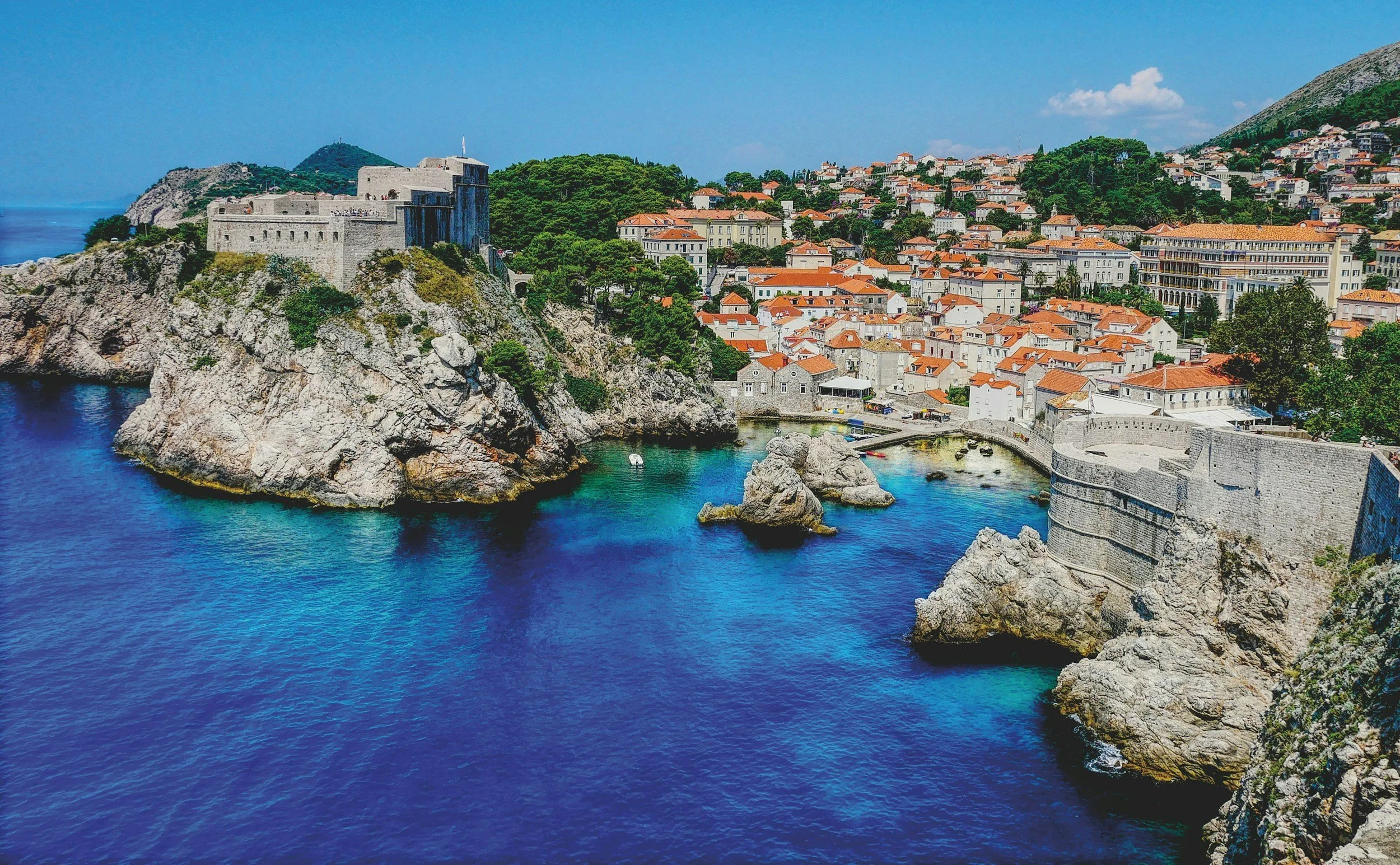
Dubrovnik is a city defined by its dramatic scale — 16th-century stone ramparts rising directly out of the turquoise Adriatic. Cruise ships can crowd the main thoroughfare (the Stradun) at midday, so staying in or just outside the Old Town lets you experience the city when it actually shines: early morning and dusk. The 1.2-mile walk atop the medieval city walls is essential — time it an hour before closing to avoid the heat and catch sunset over the red-tiled roofs.
Beyond the walls: wander the Rector's Palace and Franciscan Monastery, or take the cable car up Mount Srđ for panoramic views of the Elafiti Archipelago — especially at sunset. A 10-minute boat ride gets you to Lokrum Island, a Game of Thrones filming location with a Benedictine monastery, medieval fortress, and quiet trails for a half-day escape from the Old Town crowds.
Neighborhoods at a Glance: Old Town (historic, pedestrian-only), Pile (just outside the western gate, walkable), Ploče (cliffside, upscale), Lapad (coastal, relaxed, resort feel).
Where to Eat in Dubrovnik
- ✓ 360 Dubrovnik: Michelin-starred dining built directly into the fortress walls.
- ✓ Nautika Restaurant: A romantic waterfront prix fixe.
- ✓ Lucin Kantun: Tucked on a cobblestone street, for sea urchin and Dalmatian prosciutto with an upscale twist.
- ✓ Restaurant Kopun: Family-friendly regional classics like pašticada and brodet.
- ✓ Konoba Dubrava: Just outside Old Town, for peka — meat or seafood slow-cooked under coal beneath a bell-shaped lid.
Add-On Day Trips
- ✓ The Elafiti Islands: (Koločep, Lopud, Šipan) For private-boat island-hopping away from the crowds.
- ✓ Pelješac Peninsula & Ston: For world-class oysters and Dingač wine tasting, plus Ston's historic defensive walls and salt production.
- ✓ Konavle Valley: For olive oil estates and quiet countryside dining.
| Where to Stay: Dubrovnik | |
|---|---|
| Villa Dubrovnik | Intimate cliffside retreat set into the Adriatic rocks, minutes from Old Town — 55 sea-view rooms and suites, complimentary shuttle, Galanto Rooftop Bar, and Pjerin restaurant |
| Sun Gardens Dubrovnik | Lush seafront resort set 11 km from Old Town — features a private beach and marina, three pools, world-class spa, sports academies, and family-friendly residences |
| Hotel More | Exclusive 5-star boutique hotel in Lapad Bay — 47 rooms and suites set above pine-lined cliffs with sweeping Adriatic views and sunset panoramas |
| Hilton Imperial Dubrovnik | Historic 1895 landmark just a minute's walk from Old Town gates — combines classic charm with an indoor pool, fitness center, and Imperial Terrace dining |
What Makes Split Worth Visiting?
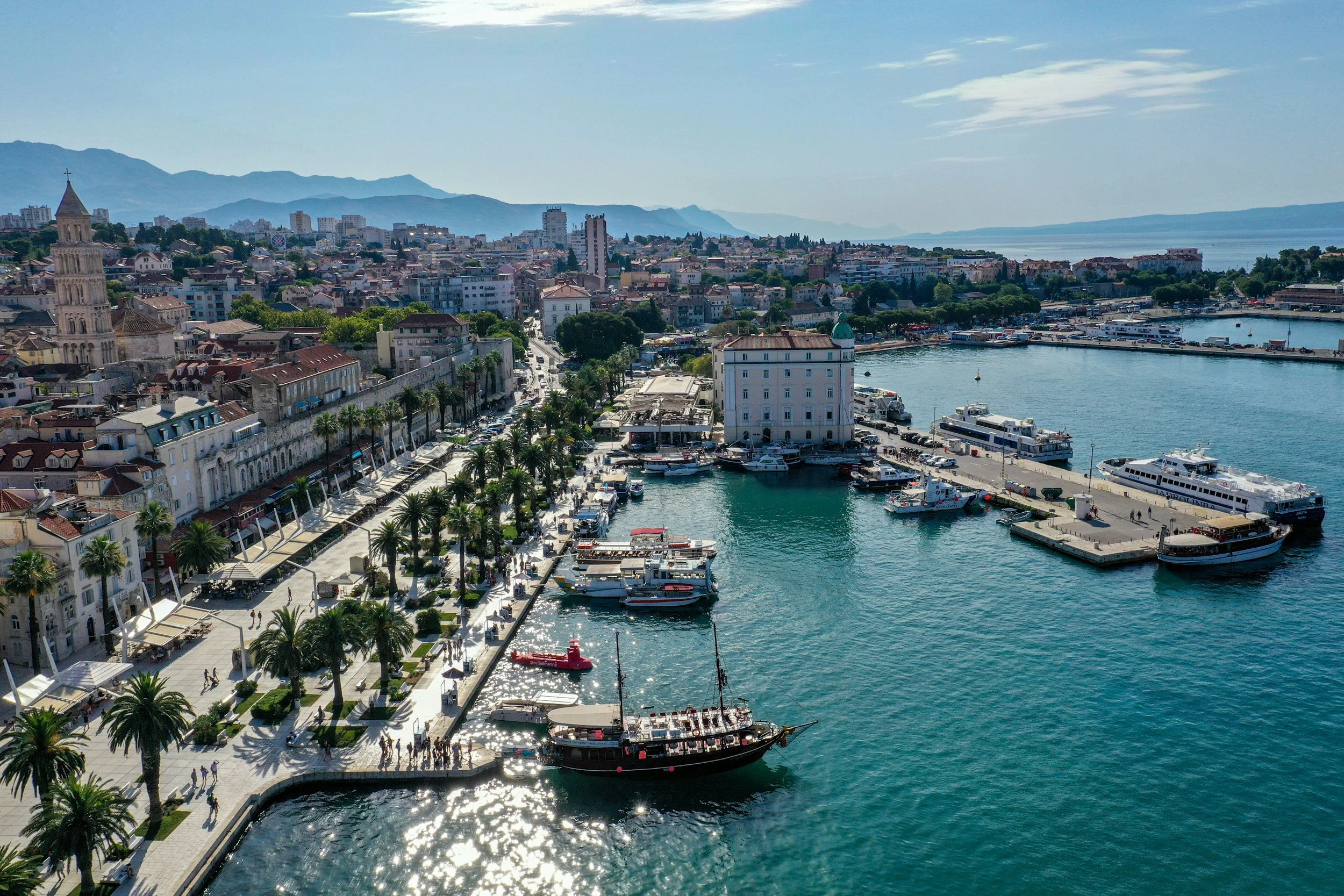
Split isn't a city with a museum — it's a city that is a living museum. Diocletian's Palace, an expansive 4th-century Roman complex, remains the living heart of the city, packed with apartments, cafés, and wine bars inside ancient stone arches. It's also the main transit hub for the southern islands, making it a natural anchor for any coastal itinerary.
What to Do in Split
- ✓ Explore the palace's subterranean cellars.
- ✓ Climb the Bell Tower of Saint Domnius for 360-degree views.
- ✓ Stroll the Riva — a palm tree-lined waterfront promenade — for a sunset cocktail.
- ✓ Visit Marjan Forest Park for nature walks and panoramic viewpoints.
- ✓ Hire a catamaran to get out onto the Adriatic itself.
Where to Eat in Split
- ✓ Konoba Hvaranin: Slow-cooked seafood in an authentic, family-run tavern.
- ✓ ZRNO SOLI: Upscale seafood overlooking the marina.
- ✓ Corto Maltese Freestyle Food: Inside the palace walls, for a playful, modern Mediterranean menu.
- ✓ Bokeria Kitchen & Wine: Creative plates and wine pairings in a vibrant setting.
| Where to Stay: Split | |
|---|---|
| Hotel Ambasador | 5-star waterfront luxury honoring its original 1937 architecture — perfectly positioned between Marjan Hill and the Riva promenade with panoramic Adriatic views |
| Radisson Blu Resort & Spa, Split | Seafront resort along a 900m pebble beach — featuring indoor and outdoor pools, three Adriatic-facing restaurants, saunas, and an award-winning wellness spa |
| Hotel Park Split | Historic 1921 5-star landmark steps from Bačvice Beach and Diocletian's Palace — 72 luxury units, famous historic social terrace, outdoor pool, and wellness spa |
| Posh Residence Luxury Suites | Sleek, high-category coastal suites in Zenta designed by Studio Geci — featuring an infinity pool overlooking the sea, wellness amenities, and understated luxury |
About an hour up the coast, Šibenik is worth a day for the Cathedral of St. James — a UNESCO site — and St. Michael's Fortress, where sunset views are genuinely worth the climb. Pelegrini is the fine-dining pick here, blending local ingredients with modern technique; Konoba Nostalgija offers a cozier, more traditional alternative.
What Makes Zagreb Worth Visiting?
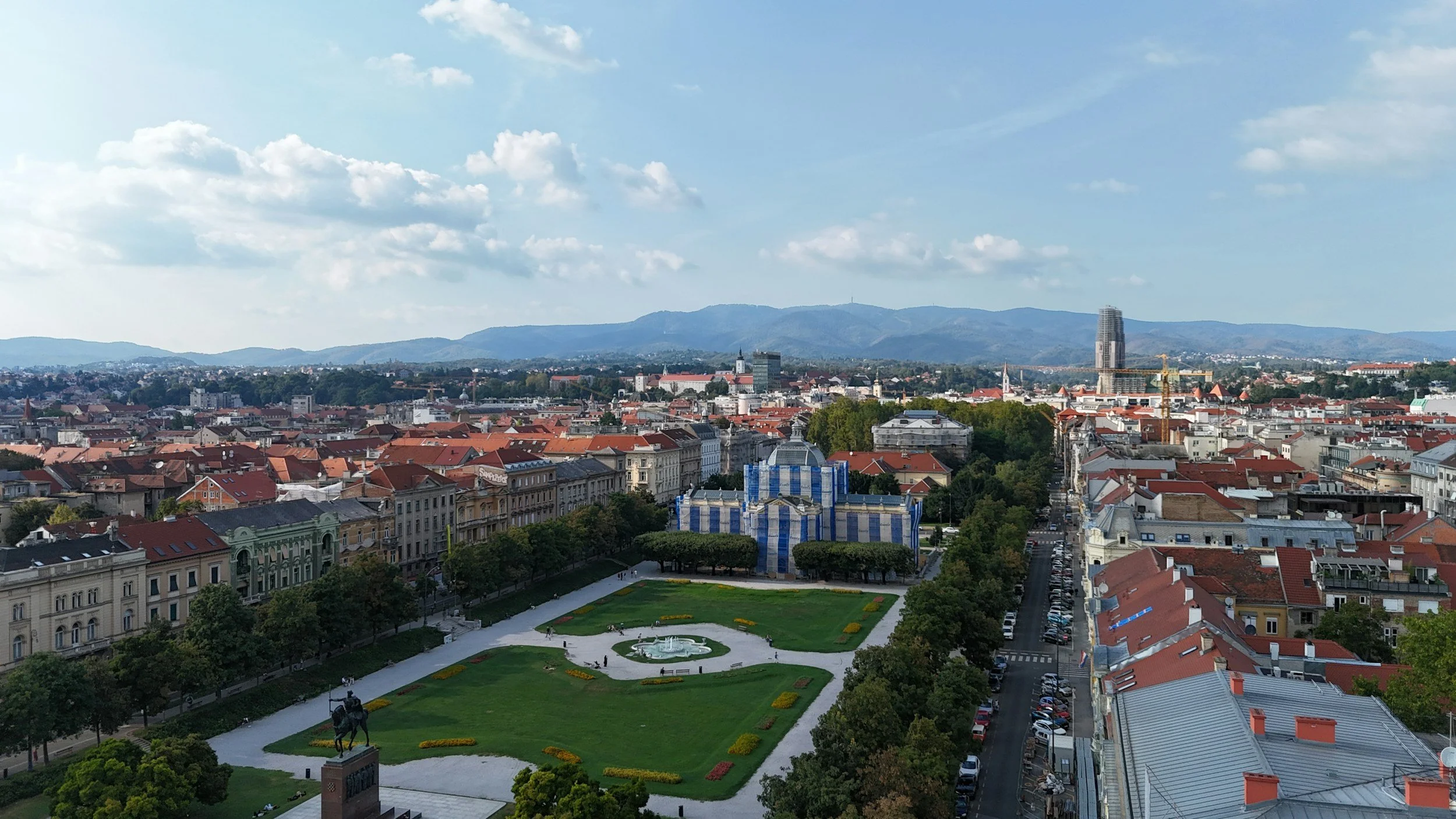
Zagreb, Croatia's capital, is where old-world charm meets modern city energy — a place that works for families, couples, and solo travelers alike, since it rewards whatever kind of day you're in the mood for. Upper Town (Gornji Grad) is the historical heart: narrow cobblestone streets, medieval buildings, and Lotrščak Tower, which delivers a panoramic city view. Nearby, Tkalčićeva Street is a lively pedestrian strip of cafés, bars, and shops — the best place to feel the city's everyday energy.
What to Do in Zagreb
- ✓ Visit the Museum of Contemporary Art for a strong Croatian and international collection.
- ✓ Explore the Museum of Broken Relationships, a genuinely unique concept — breakups told through donated personal artifacts, equal parts funny and affecting.
Where to Eat in Zagreb
- ✓ Vinodol: Upscale regional cuisine, especially seafood, under graceful stone archways.
- ✓ Noel: A sophisticated, ingredients-as-art tasting menu.
- ✓ Pod Zidom Bistro: Refined dishes paired with an extensive wine list.
| Where to Stay: Zagreb | |
|---|---|
| Hotel Esplanade Zagreb | Iconic 1925 Art Deco palace originally built for Orient Express passengers — legendary glamour near the Cathedral, long favoring A-list stars and dignitaries |
| Mövenpick Zagreb | Stylish 4-star retreat in a leafy area near Bundek Park and the Museum of Contemporary Art — conveniently located 10 minutes from Zagreb Airport |
| Le Premier Boutique Hotel | 5-star luxury boutique hotel set in a restored 20th-century palace in the town center — featuring regal architecture, high ceilings, and 60 elegant rooms |
| Canopy by Hilton Zagreb - City Centre | Central boutique-style stay with Croatian textiles and artwork — offers complimentary bikes, artisanal breakfasts, Zagreb-roasted coffees, and evening wine/beer tastings |
Top Regions & Islands
What Should I Know About the Dalmatian Islands?
Each major island off the coast has a distinct personality, and picking the right one matters more here than almost anywhere else in Croatia.
Hvar: Chic, lively, and famous for its yacht harbor, beach clubs (Carpe Diem among them), and interior lavender fields. Hvar Town's ancient fortress delivers panoramic views over the harbor and the Pakleni Islands, and the town square — ringed with cafés and Venetian architecture — is unmissable. For dining: Dalmatino for a family-run take on Dalmatian classics, and Lungo Mare for a seaside sunset meal.
Korčula: A miniature, quieter version of Dubrovnik — narrow cobblestone streets, white wine vineyards (Grk and Pošip), and dense pine forests.
Brač: Home to Zlatni Rat, the famous Golden Horn beach, and a long tradition of stone masonry.
Vis: The furthest inhabited island, a former secret military base, and the gateway to the famous Blue Cave on Biševo.
Also worth a stop: the Pelješac Peninsula, known for Dingač and Plavac Mali wines and the walled town of Ston. Bota Šare Mali, right on the local oyster and mussel beds, is the standout meal here; Konoba Andiamo in Orebić is the more low-key seaside alternative.
What Should I Know About Istria & Kvarner?
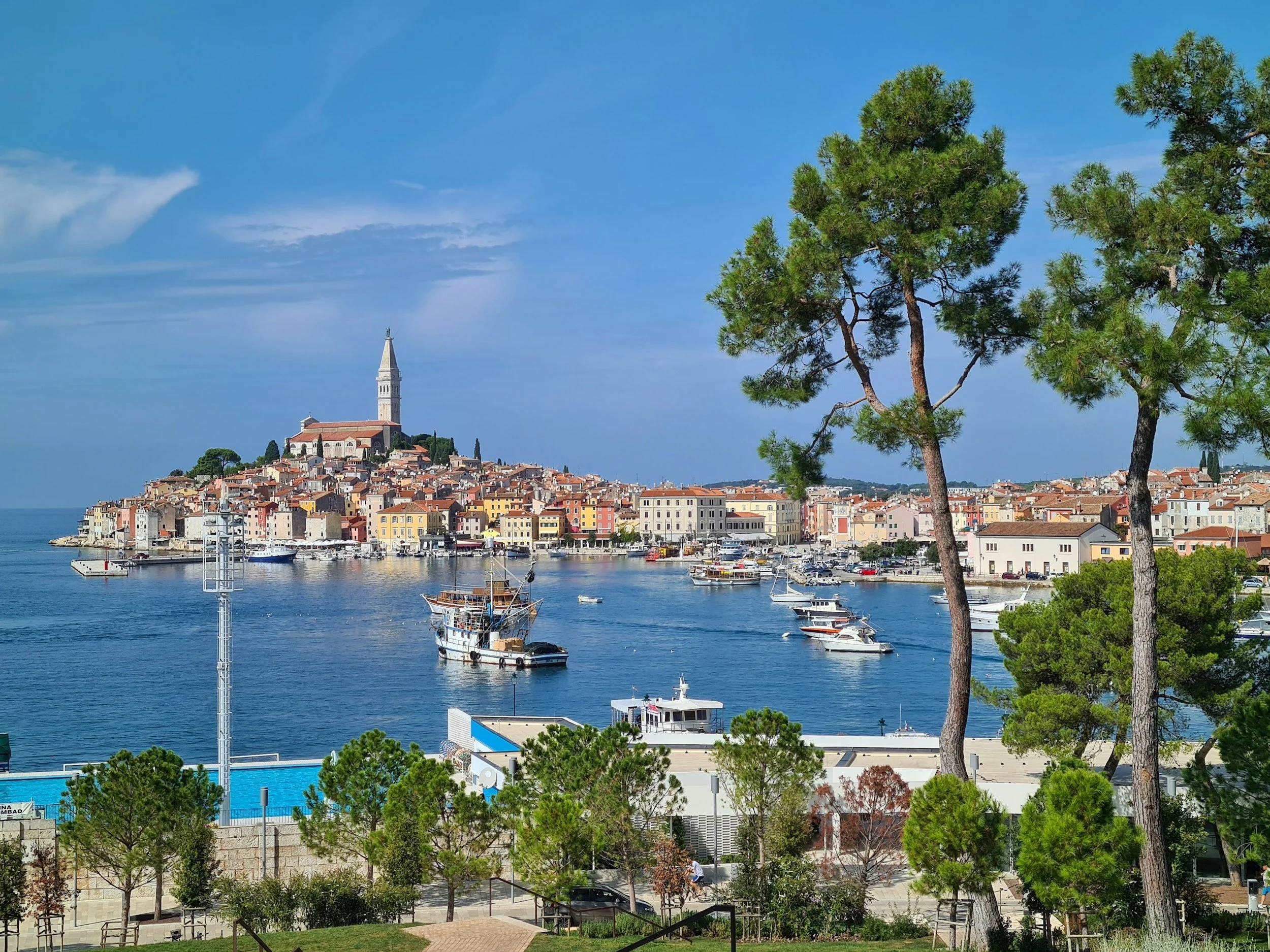
Istria is Croatia's northern peninsula and carries a heavy Italian influence — it was part of Italy until 1947 — which shows up in its food as much as its architecture. Known as Croatia's culinary pantry, it's famous for white truffles, olive oil, hilltop medieval towns like Motovun and Grožnjan, and Venetian-style ports like Rovinj. The Roman amphitheater in Pula still hosts live performances today, and the Brijuni Islands' national park is worth a day for hiking, biking, or even golf.
Istria Highlights
- ✓ Hilltop medieval towns (like Motovun) known for world-class truffles.
- ✓ Venetian-influenced coastal towns (like Rovinj) with pastel buildings and vibrant harbors.
- ✓ Exceptional olive oil estates and boutique vineyards across the peninsula.
Where to Eat in Istria
- ✓ Konoba Čok: In Novigrad, for traditional cooking built around truffles and seafood.
- ✓ Monte: Tucked on a cobblestone side street in Rovinj, for exceptional cuisine and presentation.
Kvarner, just south along the coast, centers on the elegant seaside town of Opatija and its 12-kilometer Lungomare promenade — a genuinely lovely walk against the sea. For the more adventurous, Učka Nature Park's rocky peaks deliver sweeping views of the entire Kvarner Bay. Plavi Podrum in Volosko is the pick for a superb seafood meal with a marina view; Bevanda in Opatija pairs refined dishes with sprawling sea views.
What Should I Know About Plitvice Lakes & National Parks?
Croatia's inland interior is dominated by Plitvice Lakes National Park — a UNESCO site of 16 terraced lakes connected by waterfalls — and Krka National Park, known for its own dramatic falls. Plitvice is best visited as an overnight stop between Zagreb and the coast, so you can walk the boardwalk paths early, before the day-tour buses arrive.
What To Eat In Croatia
| Dish / Item | What It Is |
|---|---|
| Crni Rižot | Black risotto colored with squid ink, packed with fresh Adriatic seafood. |
| Peka | Meat (veal or lamb) or octopus, slow-roasted under an iron bell over hot embers for hours. |
| Fuži with Truffles | Hand-rolled Istrian pasta tossed in rich local truffle butter sauce. |
| Paški Sir | Aged artisan sheep's-milk cheese from the wind-swept island of Pag. |
| Pašticada | Beef slow-cooked in a red wine sauce — a Dalmatian classic. |
| Buzara | A seafood stew, often built around mussels or scampi. |
| Dingač / Pošip Wine | Rich indigenous red (Plavac Mali) and crisp white varieties unique to Dalmatia. |
Getting There & Entry Requirements
Most international travelers fly into Zagreb (ZAG), Split (SPU), or Dubrovnik (DBV). Long-distance ferries (Jadrolinija and Krilo) connect Split to the islands and Dubrovnik. U.S. passport holders can stay up to 90 days without a visa under Schengen rules — shared with Spain and Portugal if you're combining countries on one trip.
See my Bespoke International Travel: Visa, Currency & Logistics guide → for what to check before you go.
Vetted Experiences & Resources
- 🔗 Local Tours & Activities: Viator: Croatia Tours & Activities →
- 🔗 Guided History Walks: Context Travel: Expert-Led Walks →
- 🔗 Skip-the-Line Tickets: Tiqets: Plitvice Lakes & Attraction Tickets →
- 🔗 Rental Cars: DiscoverCars: Compare Rates for Istria and the National Parks →
- 🔗 Capture the Trip: Flytographer: Croatia Photo Sessions →
- 🔗 Stay Connected: Airalo: Croatia eSIM Data Plans →
- 🔗 Airport Transfers: Welcome Pickups: Private Transfer to Your Hotel →
- 🔗 Airport Lounge Access: Priority Pass: 1,300+ Lounges Worldwide →
- 🔗 Pack Like a Pro: GoEverFar: Travel Toiletry Kits →
- 🔗 Travel Insurance: Faye → or RoamRight →
Want more options? Head to the Vault → for my full list of vetted travel partners.
Disclosure: Some links on this page earn me a commission at no cost to you.
If not Croatia, then where?
📍 Greece
History & Island-HoppingMediterranean history and island-hopping in the same spirit as the Dalmatian coast.
Read my Greece guide →📍 Italy
Coastal Drives & CultureCoastal drives and Venetian cultural influence, echoing Istria's own history.
See my Italy guide →📍 Montenegro
Quiet Coastal EscapesFjord-like bays just south of Dubrovnik, for a quieter, less-visited coastal escape.
Read my Montenegro guide →