Guide To Spain
Spain works for nearly any travel style — culture, food, beaches, or a mix. Whether you're planning a Barcelona-and-Andalusia classic or a full train-loop through four cities, the key is timing your trip to the region you care about most.
Ready to explore Spain's culture, food, and coastlines?
Let's design your Spain itinerary →TLDR;
Best time to visit Spain?
April–June and September–October — warm without the summer crowds and heat.
How long should I stay?
7–14 days, depending on how many regions you're combining.
Do I need a car?
Not for cities — Spain's train network connects Barcelona, Madrid, and Andalusia efficiently.
What's the classic first-timer route?
Barcelona + Andalusia, or a Barcelona–Madrid–Seville–Granada train loop over 10 days.
Do I need a visa?
U.S. passport holders don't need a visa for stays under 90 days, but Schengen rules apply.
Regions at a Glance:
| Region | The Vibe | Best Time |
|---|---|---|
| Barcelona | Gaudí architecture, Mediterranean energy, strong food and design scene | May–June or September |
| Madrid | Capital energy, world-class museums, nightlife | April–May or September–October |
| Andalusia (Seville, Granada, Córdoba) | Moorish architecture, flamenco, white hill towns | March–May, September–October (summer hits 40°C inland) |
| San Sebastián / Basque Country | Some of the country's best food, cooler Atlantic coast | June–September |
| Balearic Islands (Mallorca, Ibiza) | Beaches and nightlife | June or September |
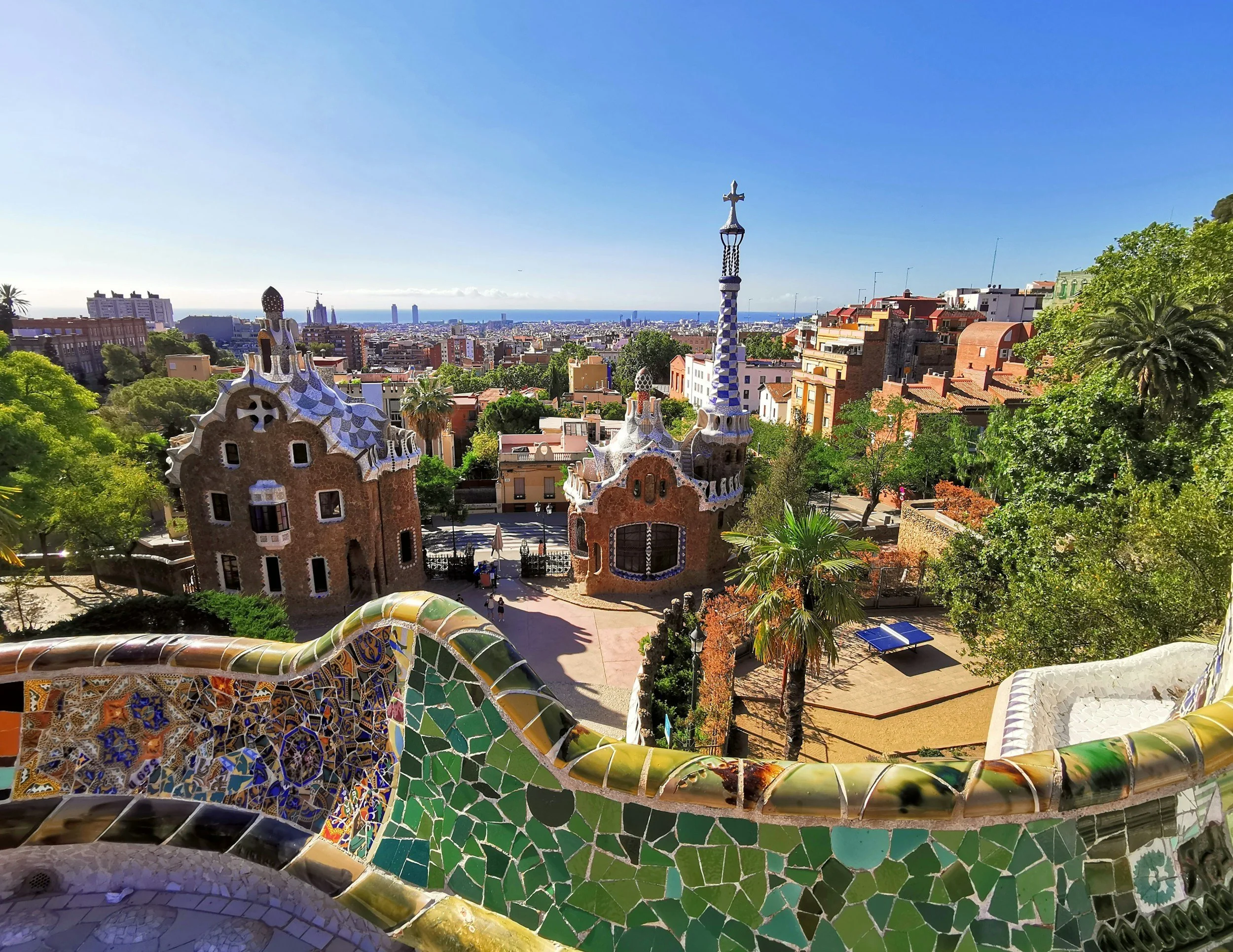
What Makes Barcelona Worth Visiting?
Barcelona is a city of layers — Roman foundations, medieval Gothic streets, and the Modernisme movement that gave the world Gaudí, all still visible within a few blocks of each other. The Sagrada Família anchors L'Eixample, a neighborhood of wide boulevards and Modernista façades; nearby, Casa Batlló hosts seasonal rooftop concerts worth timing a trip around. Spend at least two half-days on Gaudí's work alone — Sagrada Família (book tickets well ahead), Park Güell, Casa Batlló, and La Pedrera are all essential, and Park Güell is best visited early morning or at sunset to beat the crowds.
Beyond Gaudí: the Picasso Museum houses over 5,000 works. A tapas tour on day one is worth it just for the local recommendations you'll pick up from your guide. El Born Center for Culture and Memory is the off-the-beaten-path pick for anyone drawn to Catalonia's history specifically.
Neighborhoods at a Glance: El Born (designer boutiques, fine dining, medieval streets), L'Eixample (Modernista architecture, nightlife), Gràcia (boho, wellness-minded, home to Park Güell), Barceloneta (beachfront), Gothic Quarter (the historic core), El Raval (multicultural, street art).
| Barcelona: Where to Stay | |
|---|---|
| Almanac Barcelona | Stylish, sophisticated, central — rooftop pool, romantic for couples, spacious suites for groups |
| Hotel Boutique Mirlo Barcelona | A new concept of intimacy featuring in-room Hammam baths, private gardens leading to a sauna, and an immersive escape into your inner self |
| Mercer Hotel Barcelona | Set in the heart of the Gothic Quarter, blending ancient architecture with modern luxury — 28 exclusive rooms, designer amenities, an outdoor lounge pool, and Le Bouchon tapas bistrot |
| Soho House Barcelona | Located in a striking 19th-century building overlooking Port Vell marina — featuring 56 bedrooms, Cowshed spa, Cecconi's restaurant, two pools, and Catalan design influences |
| Wittmore Hotel | Adults-only hidden gem in the Gothic Quarter, just 22 rooms |
Where to Eat in Barcelona
- ✓ Brugarol: Moody, modern, seasonal cooking.
- ✓ Bar Cañete: The classic Barcelona tapas-bar energy.
- ✓ ANGLE and Capet: Michelin-starred nights.
- ✓ Bodega La Palma: Local tapas (get the patatas bravas).
- ✓ Quimet y Quimet: Standing-room-only conservas and open-faced sandwiches.
Add-On Day Trips
- ✓ Montserrat: Vineyards and the Santa Maria de Montserrat Abbey.
- ✓ Sitges: LGBTQ-friendly coastal party town.
- ✓ Girona: Medieval architecture, Game of Thrones filming locations.
- ✓ Figueres: The Dalí museum.
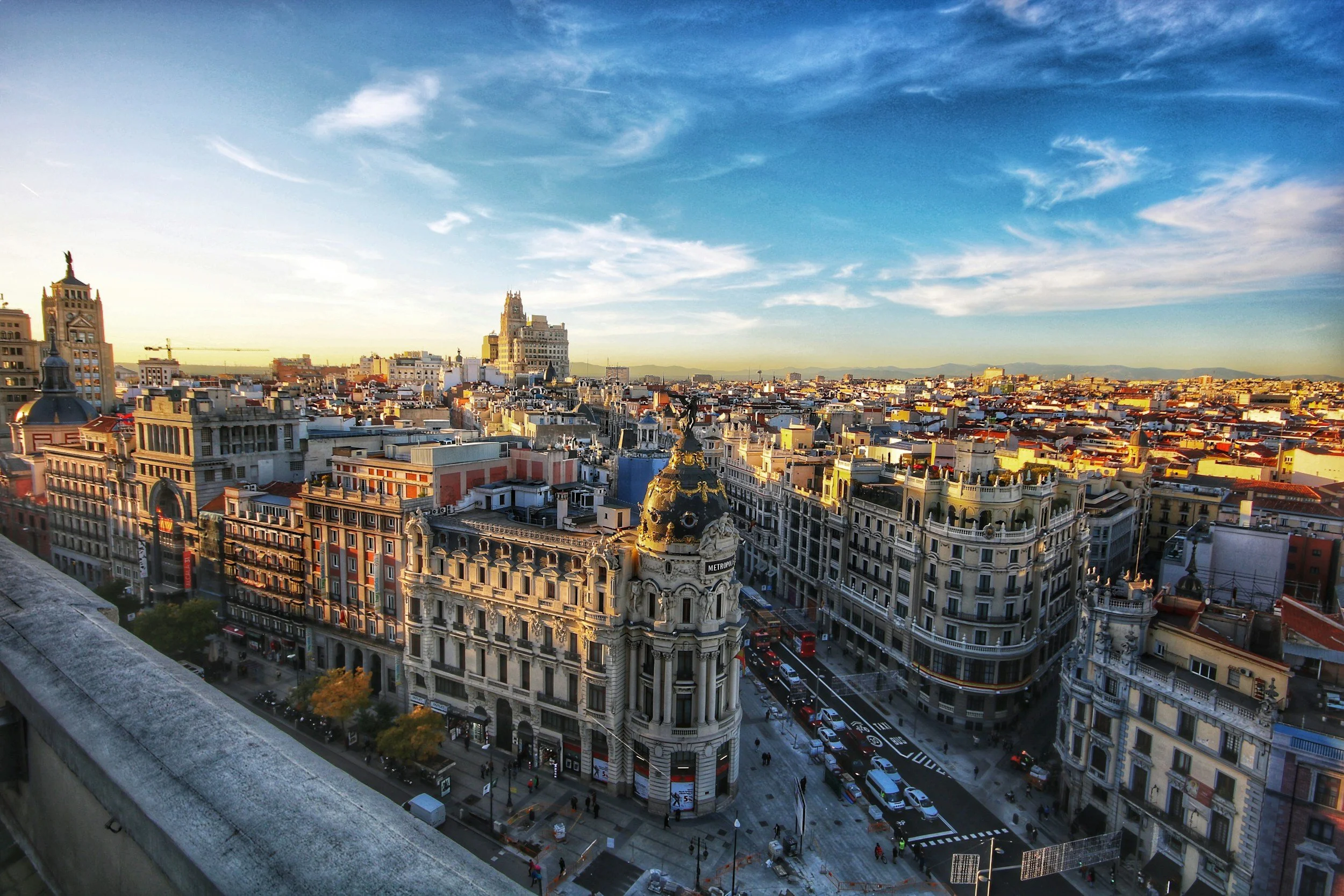
What Makes Madrid Worth Visiting?
Madrid runs on its own clock — lunch doesn't start until 2pm, dinner rarely before 9pm, and the city doesn't hit its stride on a Friday night until well past midnight. What surprises most visitors isn't the world-class museums or the food scene, both of which are a given — it's how naturally all of it coexists inside a city that still feels lived-in. Centuries-old tabernas sit on the same street as three-Michelin-star kitchens, and Velázquez's court portraits hang a ten-minute walk from Picasso's Guernica.
The Golden Triangle: The Prado (Spanish masters), the Reina Sofía (the city's best modern collection, home to Guernica), and the Thyssen (seven centuries in one building) — the three museums that anchor Madrid's art reputation.
Beyond the Museums: The Palacio Real, one of Europe's largest royal palaces, with the neoclassical Almudena Cathedral next door. Plaza Mayor for a slow vermouth from a terrace café. San Miguel market for vermouth on tap and jamón croquetas at aperitivo hour. El Retiro park for a rowboat on the lake or a bench under the trees. El Rastro, La Latina's Sunday flea market.
Neighborhoods at a Glance: Salamanca (polished, boutiques, fine dining), La Latina (oldest streets, true tapas culture), Barrio de las Letras (literary, walkable to the museum triangle), Chueca (trendy, the LGBTQ+ center), Malasaña (countercultural, best nightlife), Chamberí (relaxed, residential).
| Madrid: Where to Stay | |
|---|---|
| The Palace, a Luxury Collection Hotel | Anchoring Paseo del Prado since 1912, featuring an iconic original stained-glass dome and timeless grand hotel elegance |
| Rosewood Villa Magna | Set in prestigious Salamanca with lush private gardens, a serious art program, and refined contemporary luxury |
| The Principal Madrid | Contemporary central boutique hotel on Gran Vía with high-ceiling rooms, private sauna access, rooftop Solarium loungers, and haute cuisine at Ático by Ramón Freixa |
| Palacio de los Duques Gran Meliá | 19th-century Isabeline palace near Gran Vía featuring Velázquez-inspired design, historic private gardens, a rooftop infinity pool with city views, and Thai Room Wellness spa |
| Four Seasons Hotel Madrid | Seven transformed historic buildings in the heart of the capital — featuring rooftop dining by Dani García, modern cocktail lounge Isa, and a four-level Wellness Centre |
| Santo Mauro, a Luxury Collection Hotel | French-influenced 19th-century Duke's palace surrounded by private chestnut-shaded gardens, featuring classic salons, a Chinese Lounge, and fine dining in the Duke's former library |
| CoolRooms Palacio de Atocha | Restored 19th-century palace in the Literary Quarter (Barrio de las Letras) featuring a 7-meter carriage entrance leading to a secret pool garden, exceptionally spacious rooms, and rooftop terrace suites |
Where to Eat in Madrid
- ✓ DiverXO: David Muñoz's three-Michelin-star theatrical tasting menu (Madrid's most coveted reservation).
- ✓ La Tasquita de Enfrente: Radical simplicity — two or three ingredients, all Spanish, nearly 50 years running.
- ✓ Casa Lucio: An old-school institution in La Latina.
- ✓ San Ginés: The definitive churros and hot chocolate.
Day Trips from Madrid
- ✓ Toledo: (30 min by train) For a medieval skyline where Christian, Muslim, and Jewish history layer together.
- ✓ Segovia: (30 min) For a nearly 2,000-year-old Roman aqueduct and roast suckling pig.
- ✓ Ávila: (1.5 hr) For Spain's best-preserved medieval walled city — the walls themselves are walkable.
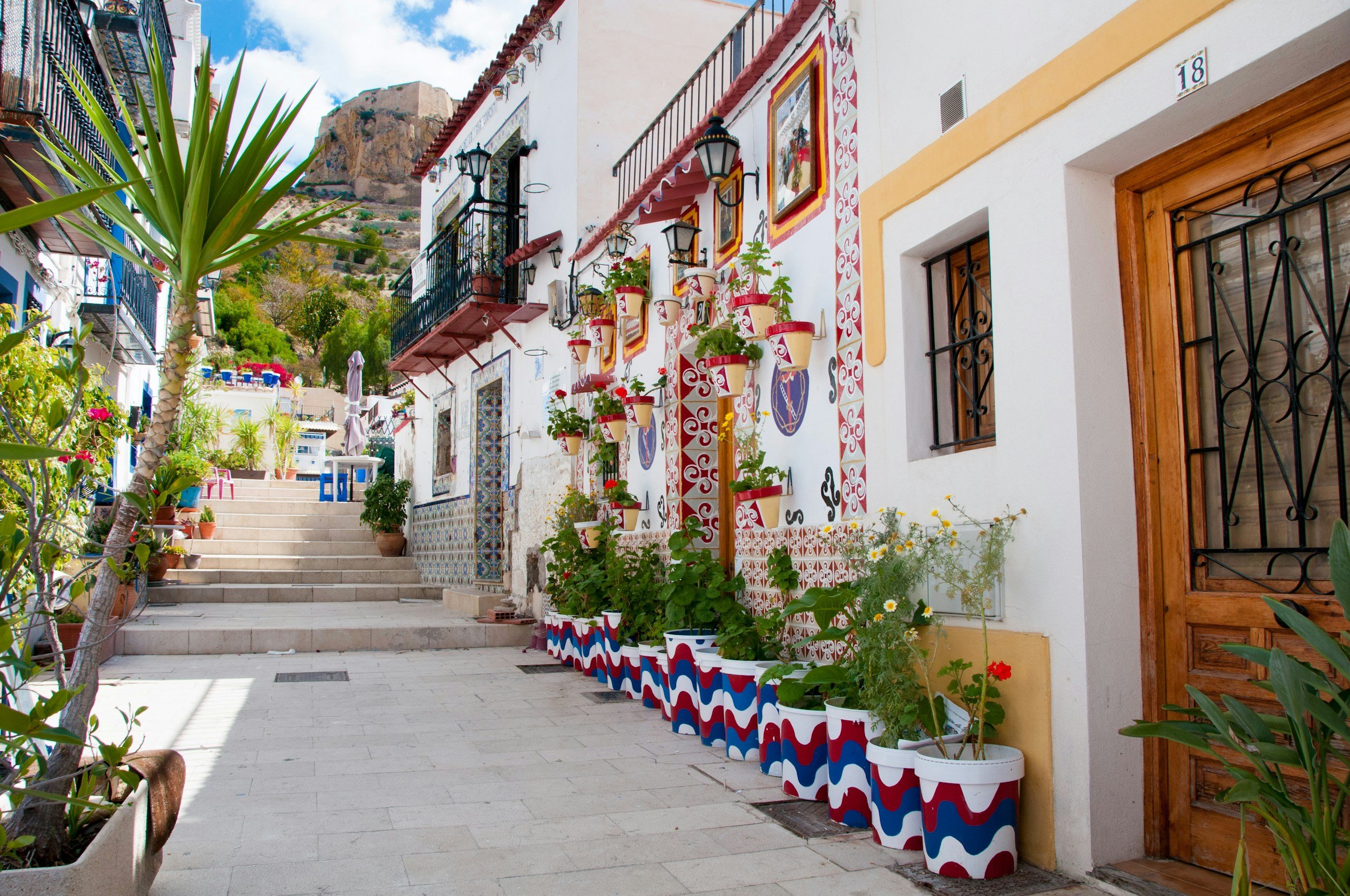
What Makes Seville Worth Visiting?
Seville is Andalusia's cultural heart — the birthplace of flamenco, home to the largest Gothic cathedral in the world, and a city built around orange-tree-lined plazas that make simply wandering the point. The Real Alcázar, Europe's oldest royal palace still in active use, and the Seville Cathedral (climb the Giralda tower, a former minaret, for the view) are the two essential stops — but the Triana neighborhood, historically home to flamenco artists, bullfighters, and ceramicists, is where the city's character actually lives, especially after dark.
What to Do: See flamenco in an intimate tablao rather than a tourist dinner-show version — Triana is the neighborhood to look in. Wander the Santa Cruz quarter's narrow medieval streets, once the city's Jewish quarter. Plaza de España, built for the 1929 Ibero-American Exposition, is the single most photographed spot in the city and worth an early-morning visit before the crowds arrive.
Timing Matters Here: Semana Santa (Holy Week, before Easter) and the Feria de Abril (two weeks after) are Seville's two signature events — elaborate religious processions followed by a citywide fair of flamenco dresses, horse-drawn carriages, and dancing that runs until dawn. Both draw huge crowds and inflate hotel prices; book far ahead if you want to be there for either, or avoid those exact weeks if you'd rather have the city calmer.
| Where to Stay: Seville | |
|---|---|
| Hotel Alfonso XIII, a Luxury Collection Hotel | Commissioned by the King of Spain for the 1929 Exhibition — iconic landmark in Santa Cruz near the Alcázar with Moorish detailing, native Andalusian courtyards, lush gardens, and outdoor pool |
| CoolRooms Palacio Villapanés 5* GL | Restored 18th-century Sevillian palace featuring 50 palatial rooms, traditional courtyard architecture, Los Rincones del Marqués dining, and a rooftop terrace pool |
| Vincci Selección Unuk 5* GL | First hotel in Seville awarded a Michelin Key — boutique luxury near the Cathedral integrating historic Roman columns with modern design, rooftop infinity pool, and Recoveco Restaurant |
| Hotel Lobby | Located opposite the Conference & Exhibition Centre between the airport and AVE station — featuring 218 refurbished rooms and junior suites ideal for business and events |
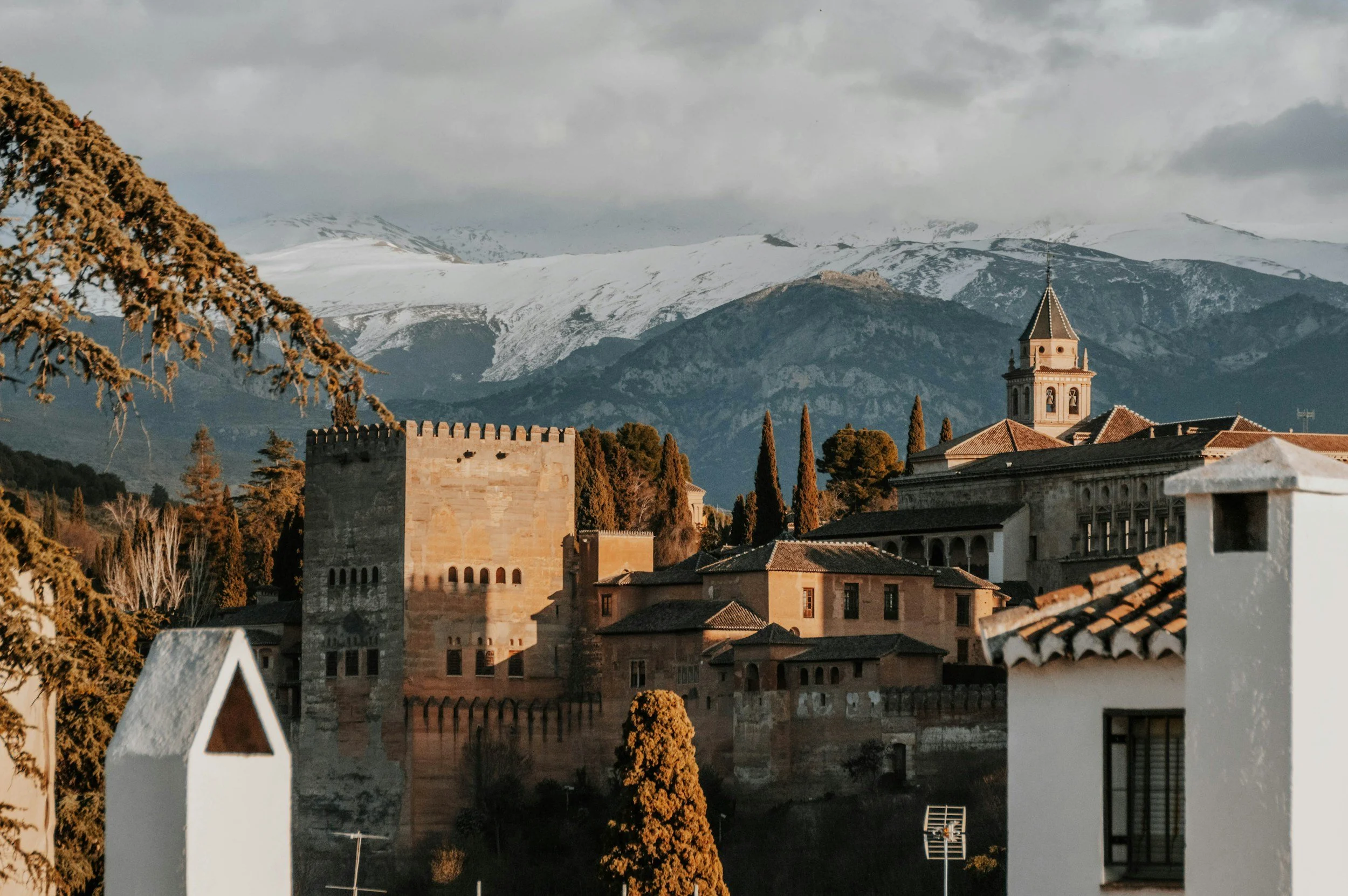
What Makes Granada Worth Visiting?
Granada rewards travelers who slow down — rush it, and it's just a pretty backdrop for the Alhambra; stay a few days, and the Albaicín's alleys, Sacromonte's cave flamenco, and the tapas culture become the real reason people come back. The Alhambra itself — a Nasrid-dynasty palace and fortress complex overlooking the city — needs advance tickets, ideally booked weeks out, since they sell out regularly.
What to Do: Walk the Albaicín, Granada's former Moorish quarter, where narrow whitewashed streets still trace a medieval Islamic street plan. Mirador de San Nicolás is the essential viewpoint — the entire Alhambra complex framed against the Sierra Nevada, especially at sunset. Sacromonte, the neighboring Romani quarter, is where to see flamenco performed inside an actual cave, not a staged replica. One distinctive Granada custom: many bars still serve a free tapa with every drink ordered, a tradition that's largely disappeared elsewhere in Spain.
Getting Around: Granada's Sierra Nevada mountains are close enough for a half-day hike as an add-on to a city stay, and the city itself is compact and walkable, though the Albaicín's steep, narrow streets reward comfortable shoes over anything else.
| Where to Stay: Granada | |
|---|---|
| Seda Club Hotel – Small Luxury Hotel | Old-world glamour in Plaza de la Trinidad featuring velvet accents, Alhambra-style tiled bathrooms, rooftop Sky Lounge overlooking Granada Cathedral, and a Roman Baths–inspired hammam |
| Alhambra Palace Hotel | Historic 1910 landmark perched on the hill in the heart of the Alhambra, offering Nasrid palace–inspired architecture and sweeping city views |
| Hospes Palacio de los Patos | Design-forward property combining a restored 19th-century industrial palace with modern alabaster architecture — featuring 42 sleek rooms, Senzone restaurant, and Bodyna Spa |
| Hotel Palacio de Santa Paula, Autograph Collection | Restored historic monument in the city center combining a 16th-century convent and 12th-century Moorish house, featuring haute Andalusian cuisine at El Claustro |
What Makes Valencia Worth Visiting?
Valencia is the birthplace of paella and Spain's third-largest city, but it's the City of Arts and Sciences — Santiago Calatrava's sweep of futuristic white architecture along the old Turia riverbed — that gives it a completely different visual identity from Barcelona or Madrid. The complex includes Europe's largest aquarium (Oceanogràfic), a planetarium, and an opera house, all built where a river used to run before it was diverted after a 1957 flood.
What to Do: Cycle or walk the Turia Gardens, a nine-kilometer former riverbed turned park connecting the old city to the City of Arts and Sciences. The Central Market — one of Europe's largest fresh-produce markets — sits in a Modernist building worth seeing even without buying anything. The Silk Exchange, a UNESCO World Heritage site, has an unexpectedly beautiful courtyard of orange trees. Russafa is Valencia's arts district, worth an afternoon for its galleries and creative energy.
A Local Rule Worth Knowing: Valencians are serious about what actually counts as paella — rice, rabbit, chicken, white beans, and sometimes snails is the only combination locals will call by that name; any seafood version, however good, gets called "rice with things" instead. Order accordingly if you want to sound like you know the difference.
| Where to Stay: Valencia | |
|---|---|
| Only YOU Hotel Valencia | Lively central hotel near Plaza del Ayuntamiento designed by Lázaro Rosa-Violán, featuring eclectic Mediterranean styling and a spectacular rooftop terrace meeting point |
| Helen Berger Hotel & Bar | Exclusive 4-star boutique hotel in the central district of La Seu next to the historic university building, offering elegant and intimate design |
| MYR Palacio Vallier | Luxury 5-star hotel in a restored 19th-century mansion on Plaza de Manises featuring 31 baroque/Art Deco rooms, on-site 3rd-century Roman perfumery ruins, and a scenic rooftop terrace |
| Hotel Las Arenas Balneario Resort | Valencia's first 5-star deluxe beachfront resort built on a traditional 19th-century spa site — offering sea views, private balconies, and a state-of-the-art spa near the City of Arts and Sciences |
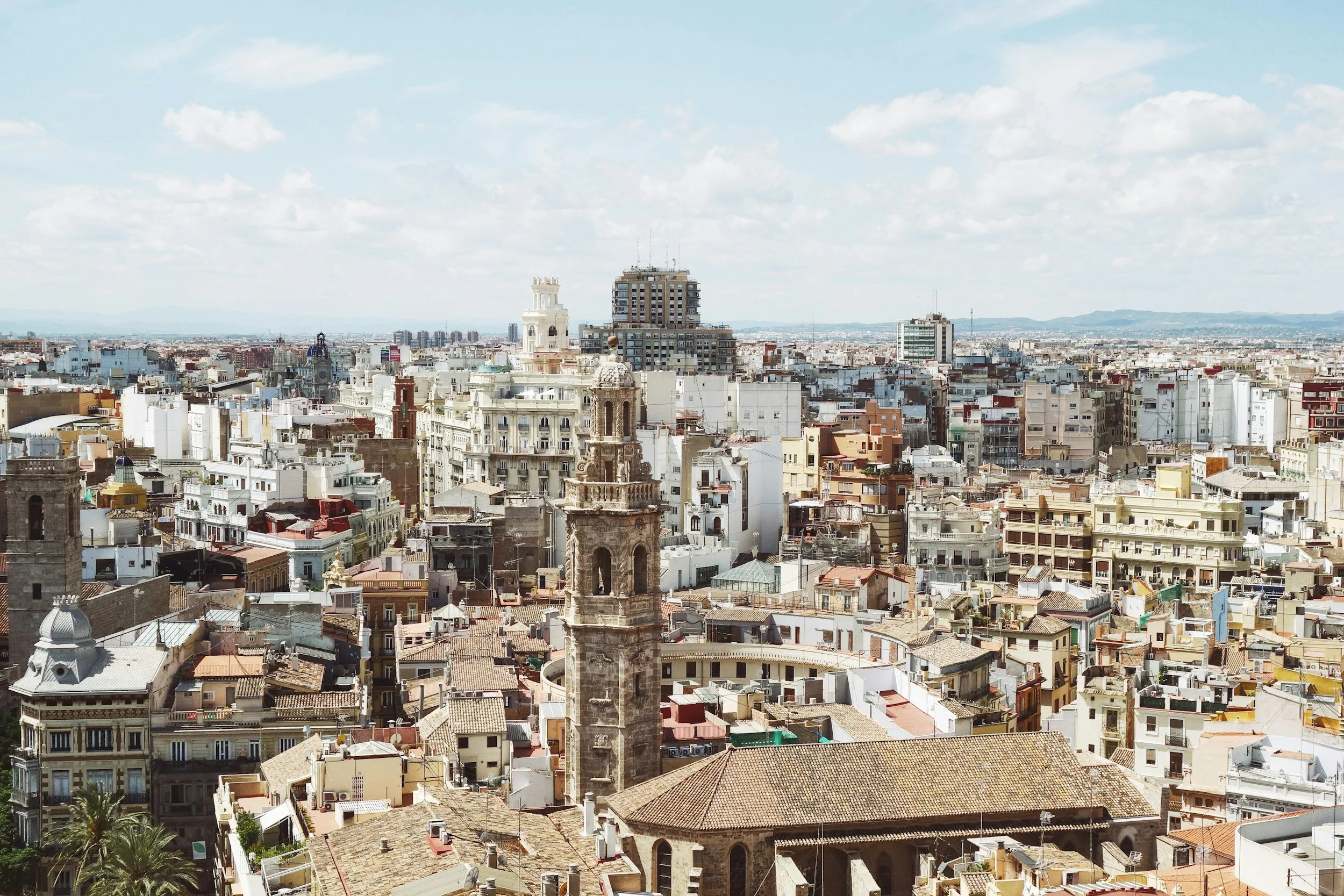
What Should I Know About the Basque Country?
The Basque Country, anchored by Bilbao and San Sebastián, is where Spain's food reputation gets serious — the highest concentration of Michelin stars per capita in the world, alongside a cooler Atlantic coastline that runs from June through September as its best window.
| Basque Country: Where to Stay | |
|---|---|
| Bilbao | Gran Hotel Domine, Radisson Collection Bilbao |
| San Sebastián | Hotel Maria Cristina, Hotel de Londres y de Inglaterra, Lasala Plaza Hotel, Hotel Arbaso |
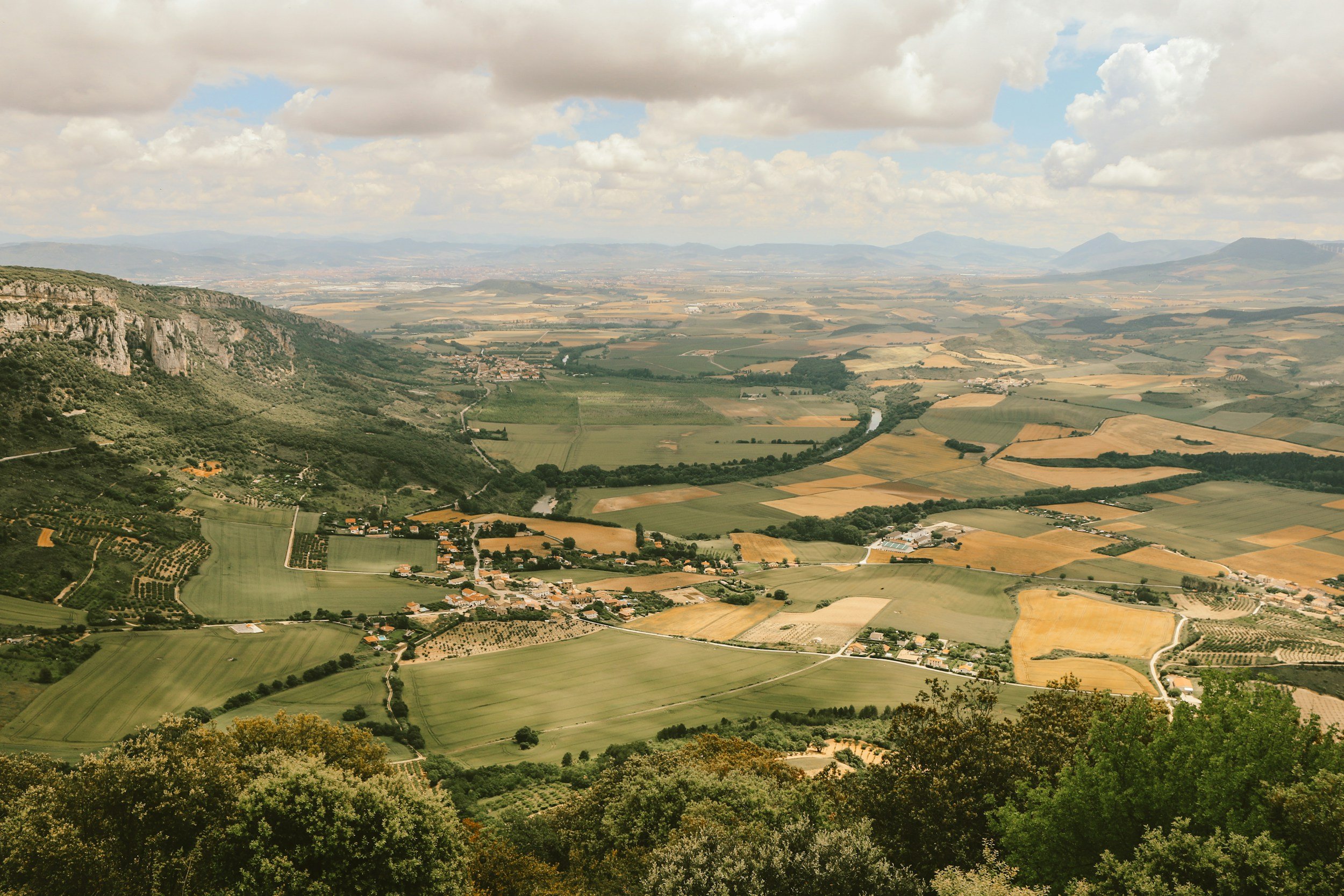
What Should I Know About Andalusia's Costa del Sol?
Beyond Seville and Granada, Andalusia's Costa del Sol is the coastal, resort-driven side of the region — Marbella and the surrounding coast pair naturally with inland stops in Seville and Granada for travelers who want both beach time and history in one trip. Properties like Finca Cortesín, Marbella Club, and La Bobadilla anchor this stretch.
Wine lovers: this region is a preview of what's coming — Rioja is one of the destinations worth building extra time around on a future Spain wine trip.
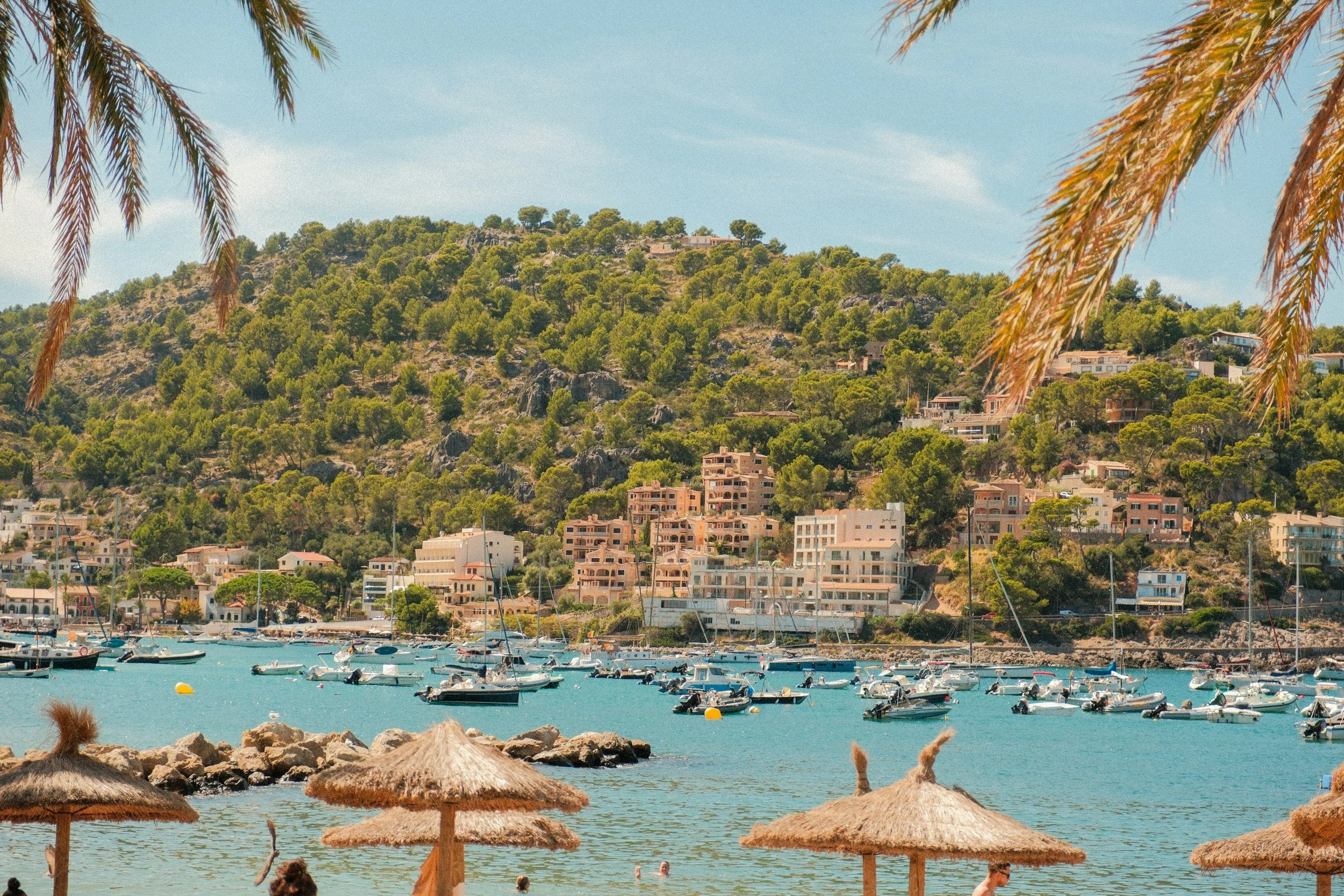
What Should I Know About the Balearic Islands?
The Balearics are Spain's beach-and-nightlife archipelago, and each island has a distinct personality: Mallorca for a dramatic coastline paired with a genuinely serious food scene, Ibiza for world-class nightlife, Menorca for the most naturally beautiful and undeveloped landscape, and Formentera for the quietest, slowest pace of the four.
| Where to Stay: Mallorca & the Balearic Islands | |
|---|---|
| Grand Hotel Son Net | A curated Mallorca stay from my own collection — see the full property page for details and booking |
| Boutique Hotel Posada Terra Santa | Quiet luxury oasis in Palma featuring restored Gothic arches, weathered stone, and contemporary interior design by Rockwell Group — 26 exclusive rooms for a serene, romantic retreat |
| Castell Son Claret | Luxury estate uniting seven historic buildings and a 19th-century manor at the foot of the UNESCO-protected Tramuntana mountains, offering 38 unique suites and rooms across 326 acres of unspoilt nature |
| Hotel El Llorenç Parc de la Mar | Adults-only Design Hotel in La Calatrava featuring Moorish-inspired geometry, 33 exclusive rooms, a multi-terraced rooftop infinity pool overlooking Palma Bay, and DINS Santi Taura restaurant |
| Cap Rocat | Boutique hotel set within a 19th-century military fortress on the Bay of Palma inside a protected natural reserve — featuring rock-carved spa, cliffside suites, and deep architectural privacy |
| La Residencia, A Belmond Hotel | Located in the peaceful Deia village within 30 acres of olive and citrus groves in the Tramuntana Mountains — housed in 16th/17th-century manor houses with an extensive art collection and fine dining at El Olivo |
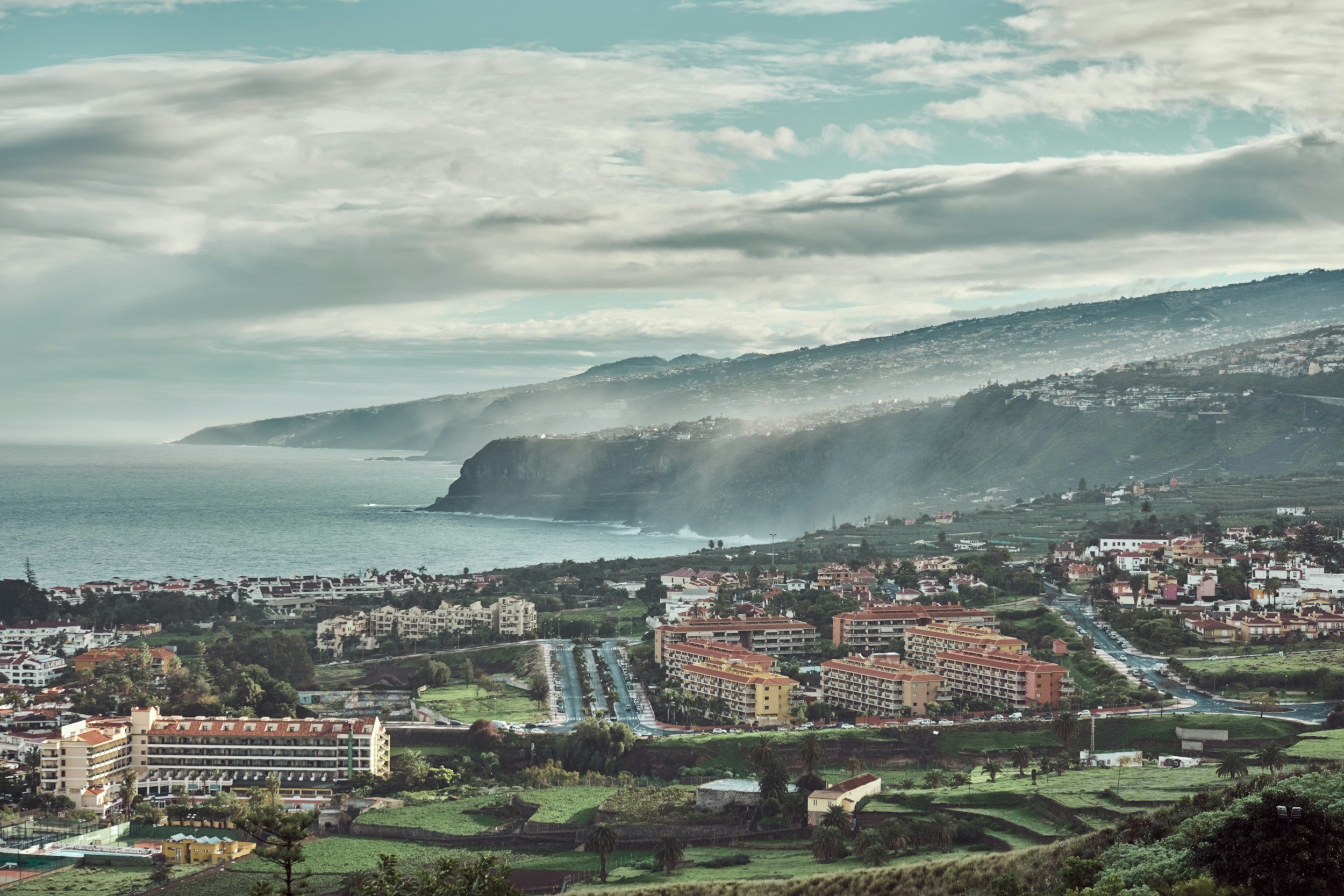
What Should I Know About the Canary Islands?
The Canary Islands are Spain's volcanic archipelago off the coast of northwest Africa — seven islands with genuinely different landscapes, mild year-round weather, and Spain's highest point, Mount Teide, rising out of Tenerife. Unlike mainland Spain, there are no direct US flights; plan to connect through Madrid or another European hub.
Choosing an Island: Tenerife is the pick for hikers — Teide National Park's cable car climbs to over 3,500 meters, and the island's north (centered on the UNESCO town of La Laguna) is greener and cooler than the resort-heavy south. Lanzarote delivers the most otherworldly landscape of the group — Timanfaya National Park's lava fields are dramatic enough that camel rides across them feel like the reasonable option. Gran Canaria earns its "mini-continent" nickname with Sahara-like dunes at Maspalomas, pine forests, and a genuinely lively capital, Las Palmas, with its own emerging food scene. La Palma is the pick for stargazing, under some of the clearest night skies in Europe.
Best Time to Visit: Year-round, thanks to the mild climate — but April–June and September–November bring the most comfortable temperatures with fewer crowds than peak summer.
What to Eat in Spain
No trip to Spain is complete without a proper tapas crawl — small plates built for sharing and for lingering.
| Tapa | What It Is |
|---|---|
| Bomba | A fried mashed-potato shell with a meat filling, topped with spicy sauce — the only tapa that actually originated in Barcelona. |
| Patatas Bravas | Crispy fried potatoes with spicy salsa brava and garlicky aioli — the sauce's heat varies noticeably by bar. |
| Gilda | A skewer of spicy pickled pepper, green olives, and Cantabrian anchovy — pair it with local cider if you're in the Basque Country. |
| Vermut | A fortified wine, traditionally served with an orange twist — ask for it "de grifo" to get it straight from the tap. |
| Paella | Saffron rice with rabbit, chicken, and white beans in Valencia (the only version locals call by that name); seafood versions are common everywhere else. |
| Jamón Ibérico | Silky, intensely flavored cured ham — a Madrid signature, but found country-wide. |
| Churros | Fried dough served with thick, dark hot chocolate for dunking. |
Getting There & Entry Requirements
Most international flights land in Madrid or Barcelona, with good rail connections onward. U.S. passport holders can stay up to 90 days without a visa under the Schengen agreement — but that 90-day clock is shared across Spain, Portugal, and Croatia if you're combining countries.
See my Bespoke International Travel: Visa, Currency & Logistics guide → for the full picture before you book.
Vetted Experiences & Resources
- 🔗 Local Tours & Activities: Viator: Spain Tours & Activities →
- 🔗 Guided History Walks: Context Travel: Expert-Led Walks →
- 🔗 Skip-the-Line Tickets: Tiqets: Alhambra, Sagrada Família & Attraction Tickets →
- 🔗 Rental Cars: DiscoverCars: Compare Rates for Andalusia and the Canary Islands →
- 🔗 Stay Connected: Airalo: Spain eSIM Data Plans →
- 🔗 Airport Transfers: Welcome Pickups: Private Transfer to Your Hotel →
- 🔗 Airport Lounge Access: Priority Pass: 1,300+ Lounges Worldwide →
- 🔗 Pack Like a Pro: GoEverFar: Travel Toiletry Kits →
- 🔗 Travel Insurance: Faye → or RoamRight →
Want more options? Head to the Vault → for my full list of vetted travel partners.
If not Spain, then where?
📍 Portugal
Old-World Charm & CoastlineSimilar old-world charm and pace, less crowded and less expensive. Explore historic coastal towns, rolling vineyards, and vibrant cultural hubs.
See my Portugal guide →📍 Croatia
Walled Towns & CoastlinesFor travelers drawn to Spain's coastline more than its cities, the Dalmatian Coast offers walled old towns and island-hopping with a different Mediterranean accent.
Start planning your trip →📍 Mexico City
Food-Forward EnergyFor Madrid's late-night, food-forward energy specifically, without crossing the Atlantic. Experience world-class culinary scenes and vibrant culture.