Guide to Portugal
Portugal blends old-world charm with a growing modern food and art scene, and tends to be less crowded and less expensive than Spain or Italy. It's a country that rewards a slower pace — the kind of trip where the pastel de nata at 4pm matters as much as the palace you saw that morning.
Ready to explore Portugal's old-world charm and coastlines?
Let's design your Portugal itinerary →TLDR;
Best time to visit Portugal?
April–June and September–October — comfortable weather, lighter crowds.
How long should I stay?
7–10 days is the recommended sweet spot.
Should I fly into one city and out the other?
Yes — fly into Lisbon and out of Porto (or vice versa) rather than doubling back by car.
When's the busiest, priciest time?
July–August, especially the Algarve.
Do I need a visa?
No visa needed for U.S. passport holders under 90 days — Schengen rules apply.
Regions at a Glance:
| Region | The Vibe |
|---|---|
| Lisbon | Charming, walkable, strong art and food scene, waterfront views |
| Porto & Douro Valley | Wine country gateway, historic train station, good walking city |
| Algarve | Beach-focused south coast |
| Sintra & Alentejo | Palaces, cork forests, slower countryside pace |
Wine lovers: the Douro Valley is where you'll want to spend the extra time — one of the world's oldest demarcated wine regions, with terraced vineyards running right down to the river.
What Makes Lisbon Worth Exploring?
Lisbon rewards a slower pace — pastel-hued neighborhoods, fado drifting out of Alfama's alleys, and miradouros where the whole city opens up below you. Old-world charm sits directly beside cosmopolitan energy: traditional markets a few streets from cutting-edge galleries, centuries-old tilework on buildings that now house some of Europe's best new restaurants.
What to Do in Lisbon
- Ride a vintage tuk-tuk through Alfama's narrow lanes up to São Jorge Castle.
- Charter a private boat on the Tagus for a cruise under the 25 de Abril Bridge toward Belém.
- Browse contemporary Portuguese art at MAAT, then shop in Príncipe Real and Chiado.
- Wander LX Factory, a former industrial complex turned creative hub.
- Book a fado dinner show in Alfama or Bairro Alto.
Where to Eat in Lisbon
- Prado: A minimalist, seasonal menu inside a former fish cannery.
- Café de São Bento: The same buttery, peppery steak they've served since the '80s.
- Tapisco: Chef Henrique Sá Pessoa's elevated Iberian small plates.
- Belcanto: José Avillez's Michelin-starred tasting menu.
- Pastéis de Belém: The original — order to go, eat warm on a bench nearby.
| Where to Stay: Lisbon | |
|---|---|
| Pousada de Lisboa | Right in Praça do Comércio, where history meets architectural elegance on the Tagus — the natural starting point for exploring the city |
| Sublime Lisboa | A 20th-century townhouse in Amoreiras, reimagined as a boutique hotel — 15 rooms, no two alike, each with its own curated character |
| Torel Palace Lisbon | Four historic royal-named buildings, a Michelin-starred restaurant (2Monkeys), two pools, and sweeping Tagus views — a Virtuoso property suited to couples or discerning solo travelers, and a strong pick for a special-occasion stay |
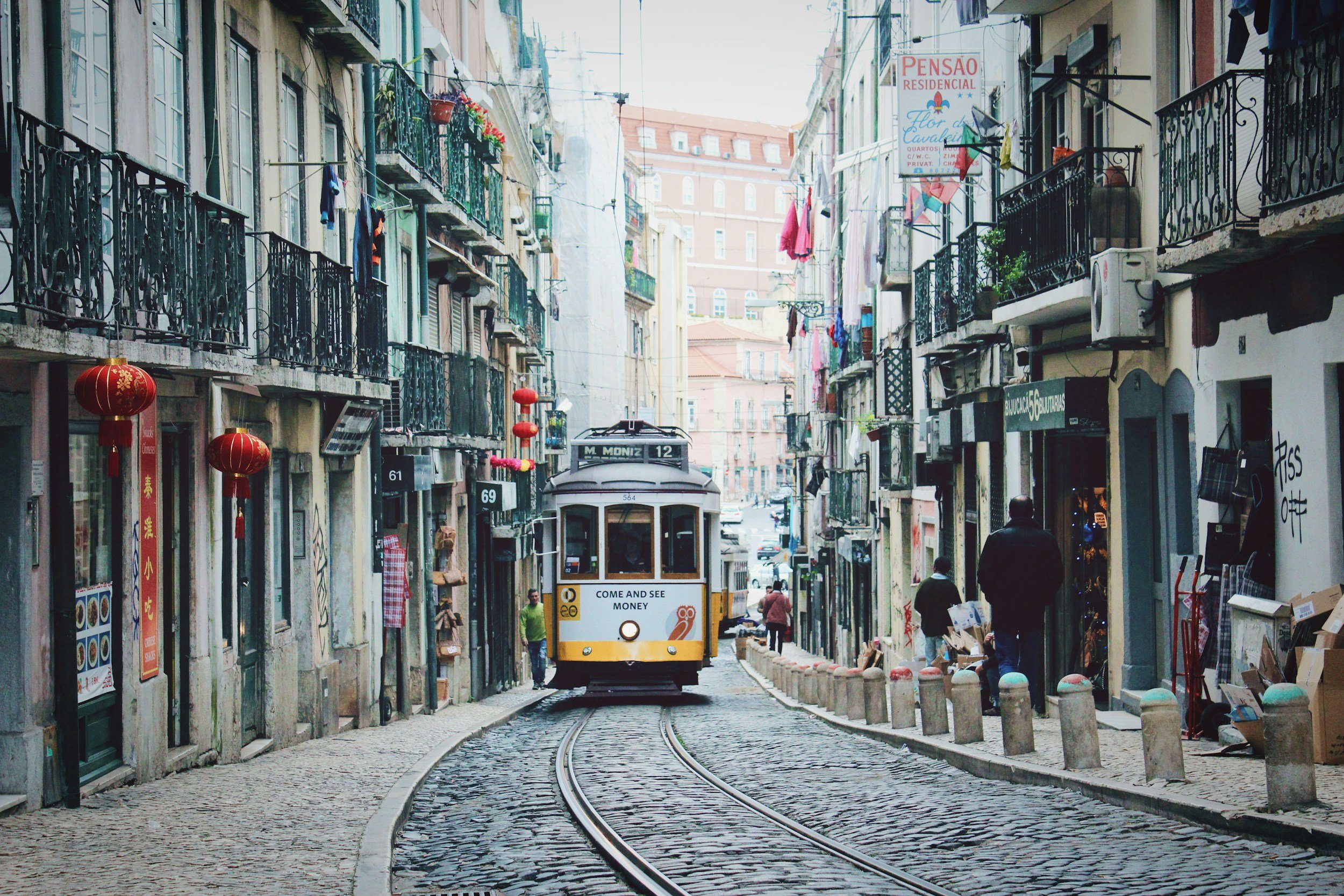
What Should I Know About the Algarve Beyond the Beaches?
The Algarve rewards travelers who go past the tourist hubs — rugged coastal hikes, authentic fishing towns, and Benagil Cave.
Important: Benagil Cave Access Has Changed. Landing on the sand inside Benagil Cave, or swimming into it from the beach, is now strictly illegal. To see it, book a small-boat excursion or a guided kayak/SUP tour that views the skylight from the water.
The Hiking Highlight: The Seven Hanging Valleys Trail, hiked from Praia da Marinha to Praia do Vale de Centianes early in the morning, captures the limestone arches before midday heat sets in.
Beyond the Tourist Hubs: Skip Albufeira for Tavira — the Venice of the Algarve, with Moorish bridges and calm barrier islands — or Olhão, a gritty, vibrant fishing port with North African architecture and exceptional seafood markets.
The Western Escape: For dramatic, windswept cliffs and an uncommercialized vibe, a day trip to Sagres and the Costa Vicentina delivers Atlantic swells without the crowds.
| Where to Stay: Algarve | |
|---|---|
| Bela Vista Hotel & Spa | A historic 20th-century palace perched above Praia da Rocha; closed January–February, so plan around it |
| Palácio de Tavira | A restored aristocratic palace in Tavira's old town — high ceilings and hand-restored wood in the Palácio wing, calmer contemporary rooms in the Medina wing; a great fit for couples or discerning solo travelers |
| Praia do Canal Nature Retreat | A quiet, nature-forward Small Luxury Hotels of the World property on the rugged southwest coast — private wine tastings, cooking lessons, and horse riding arranged on-site |
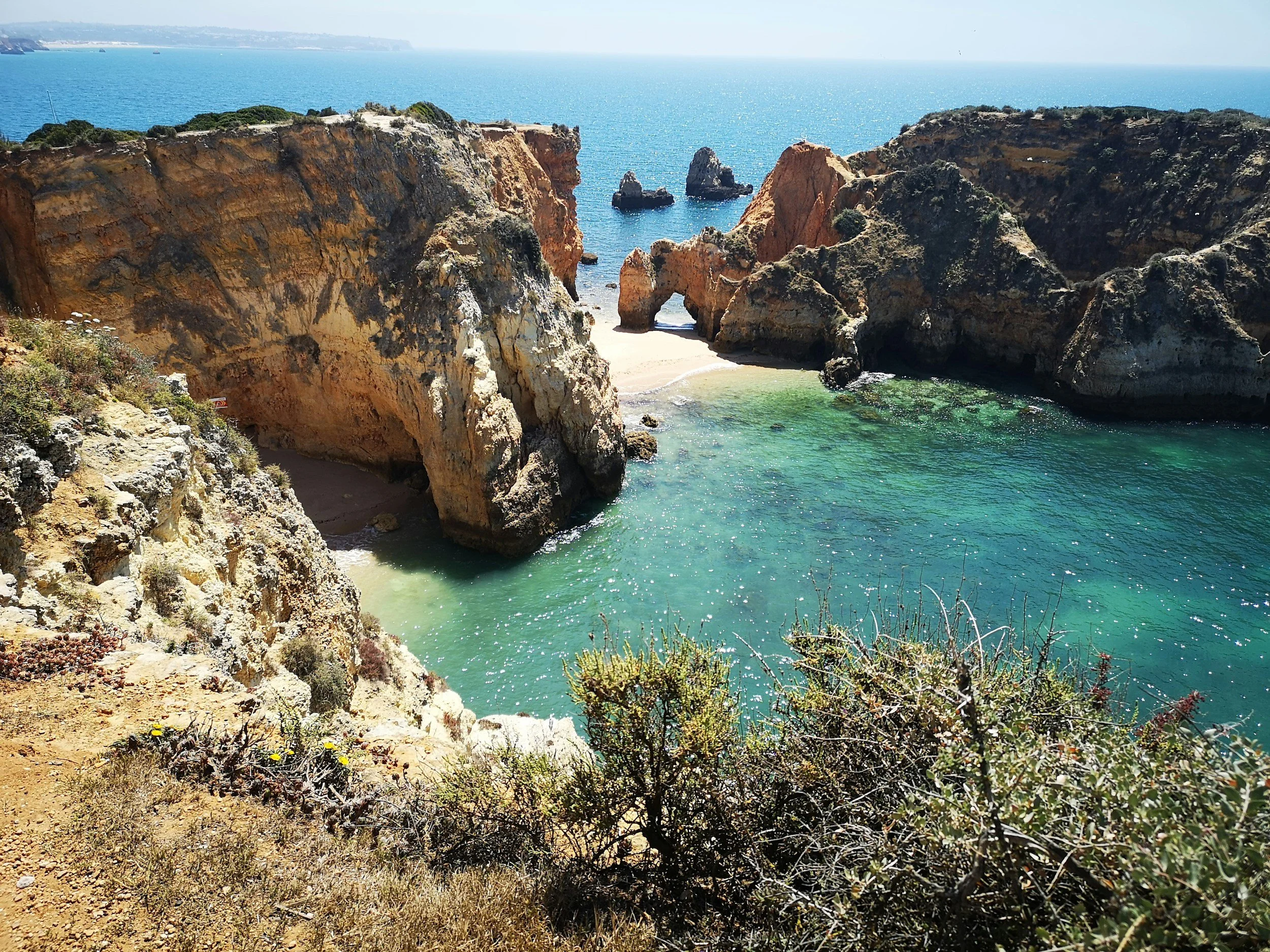
What Makes Porto and the Douro Valley Worth Visiting?
Porto pairs historic riverside quarters with striking street art and the port wine cellars that gave the city its name. The Dom Luís I Bridge is best walked at golden hour, from Porto across to Vila Nova de Gaia. São Bento Station is worth a stop just for its blue-and-white tile panels — arrive early, before the tour groups.
What to Do
- Charter a private rabelo boat for a slow Douro cruise.
- Wander WOW, Gaia's museum-and-tasting-room hub.
- Browse Rua das Flores.
- Take a curated port flight at Prova, or Capela Incomum, tucked inside a former chapel.
Where to Eat
- Raiz: Inventive takes on Portuguese classics.
- Muu Steakhouse: Dry-aged ribeye.
- Gazela: A fino and something simple.
Further inland, the Douro Valley is one of the world's oldest demarcated wine regions. Book a private tasting at Quinta do Crasto for cellar tours and a cliffside pool, or Quinta da Pacheca for a slower afternoon under fig trees. Hike to Miradouro de Casal de Loivos for valley views without the crowds.
| Where to Stay in Porto | |
|---|---|
| Torel Avantgarde | A 5-star boutique hotel where every room is dedicated to an avant-garde artist, drawing on Porto's 1930s–40s design movement |
| The Yeatman Hotel | Set in the heart of Porto's wine world, with a 25,000-bottle cellar and a two-Michelin-starred restaurant — Club 5C members receive a VIP welcome and Discovery Privilege |
| Tivoli Kopke Porto Gaia | Built inside an actual historic Port Wine cellar, with panoramic views of the UNESCO old town across the river |
| Where to Stay in the Douro Valley | |
| Six Senses Douro Valley | A 19-acre UNESCO-setting estate fronting the river itself, with a dedicated wine cellar of local vintages and a full spa program |
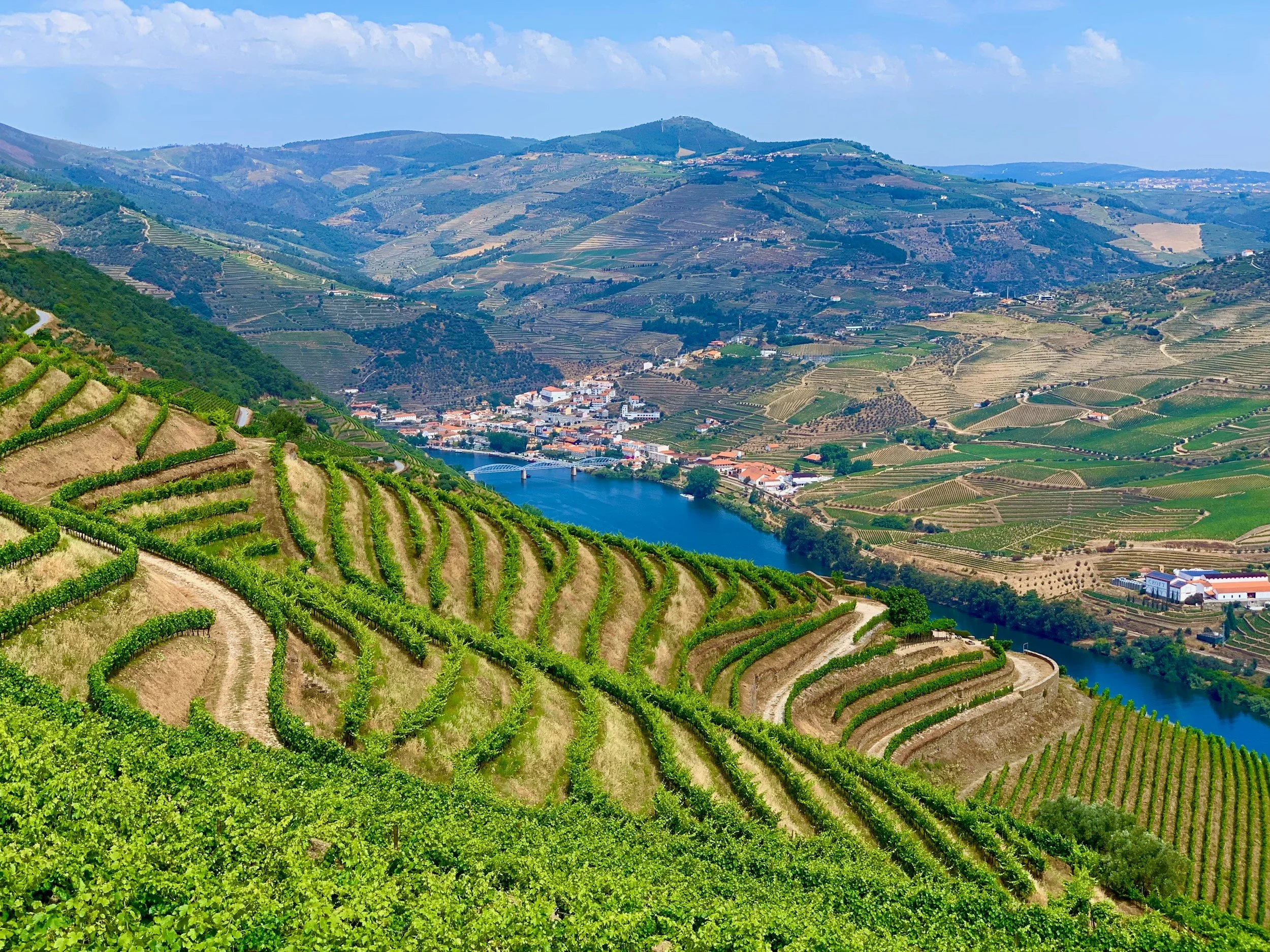
How Do I Visit Sintra Without Wasting a Day on Logistics?
Book Pena Palace tickets 3–4 weeks ahead, target the 9:30 AM slot, and skip the rental car entirely — Sintra is a logistical maze, and the right timing matters more than anything else you plan here. Arrive at the outer park gate by 9:00 AM for a 9:30 ticket; the uphill walk to the palace door itself takes another 15 minutes. Pair the morning at Pena with Quinta da Regaleira in the late afternoon, after 3:00 PM, once the day-tripper buses have cleared out.
The Private Vehicle Warning: Don't rent a car for a Sintra day trip. Parking is essentially nonexistent, and local police close roads to non-resident vehicles during peak hours. Take the 40-minute train from Lisbon's Rossio Station, or book a private driver or tuk-tuk instead.
The Sophisticated Alternative: For travelers who want the fairytale architecture without Pena's crowds, Monserrate Palace delivers — Moorish-Indian-Gothic design and world-class botanical gardens, a fraction of the foot traffic.
A Culinary Break Worth the Detour: Skip the standard lunch spot and stop at Casa Piriquita for travesseiros — flaky puff pastries filled with egg and almond cream, a Sintra specialty you won't find the same way in Lisbon.
| Where to Stay: Sintra | |
|---|---|
| Penha Longa Resort | A resort setting in the hills above Sintra, positioned for easy access to the palaces and gardens that make this town worth the detour from Lisbon |
Sintra or the Algarve: Which Fits Your Trip?
| Feature | Sintra | The Algarve |
|---|---|---|
| Primary Vibe | Fairytale palaces, misty microclimates, dense royal history | Sun-drenched limestone cliffs, pristine beaches, relaxed seafood culture |
| Ideal Pace | Fast and physical — steep uphill walking, rigid timed-ticket windows | Slow and unhurried — beach clubs, coastal hiking paths |
| Best Transport | Train from Lisbon + tuk-tuks or a private driver (avoid a car) | A rental car is highly recommended for hidden coves and mountain towns |
| The "Skip" Warning | Driving yourself, or showing up without a pre-booked Pena Palace ticket | Relying only on the crowded central beaches — missing the eastern lagoons and western cliffs |
Getting There & Entry Requirements
Fly into Lisbon or Porto — flying into one and out of the other avoids backtracking by car. U.S. passport holders don't need a visa for stays under 90 days, but that 90-day Schengen clock is shared across Spain, Portugal, and Croatia if you're combining countries on one trip
See my Bespoke International Travel: Visa, Currency & Logistics guide → for what to check before you go.
Vetted Experiences & Resources
- 🔗 Skip-the-Line Tickets: Tiqets: Pena Palace & Attraction Tickets → — directly relevant now given the Pena Palace advance-booking strategy below
- 🔗 Guided History Walks: Context Travel: Expert-Led Walks → — fits Lisbon, Sintra, and Porto's historic cores
- 🔗 Rental Cars: DiscoverCars: Compare Rates for the Algarve → — genuinely necessary for Algarve's hidden coves and western cliffs
- 🔗 Stay Connected: Airalo: Portugal eSIM Data Plans →
- 🔗 Airport Transfers: Welcome Pickups: Private Transfer to Your Hotel → — recommended alternative to renting a car for Sintra
- 🔗 Local Tours & Activities: Viator: Portugal Tours & Activities → — covers Benagil boat/kayak excursions
- 🔗 Airport Lounge Access: Priority Pass: 1,300+ Lounges Worldwide →
- 🔗 Pack Like a Pro: GoEverFar: Travel Toiletry Kits →
- 🔗 Travel Insurance: Faye → or RoamRight →
Want more options? Head to the Vault → for my full list of vetted travel partners.
If not Portugal, then where?
📍 Andalusia, Spain
Architecture & RhythmThe same Moorish architectural thread that runs through Portugal continues here, along with a similar food scene and unhurried pace. If what draws you to Portugal is the history and the rhythm rather than the coastline specifically, Andalusia delivers the same flow.
See my Spain guide →📍 Mallorca, Spain
City & Beach PairingA culture-and-beach pairing that mirrors combining Lisbon or Porto with the Algarve: Palma brings the city history and architecture, while the rest of the island delivers hiking and beach time in equal measure.
See my Spain guide →📍 Tuscany, Italy
Wine & NatureFor travelers drawn to Portugal's wine, nature, and outdoor pace more than its coastline, Tuscany offers the same rolling-hills-and-vineyards rhythm as the Douro Valley, just with a different accent.
See my Italy guide →