Spain: The Complete Wine & Travel Guide
From vineyard to table — what to drink, where to go, and who made it.
What Makes Spanish Wine Worth Traveling For?
Spain has more land under vine than any other country, and it shows in the range: oak-aged Tempranillo in Rioja, slate-grown Garnacha in Priorat, Albariño by the Atlantic, and sherry in Jerez, a wine style found nowhere else on earth. A Spanish wine trip is also a trip to the table. The wine is built for food, dinner starts late, and a long tapas crawl is part of the itinerary.
This guide covers six regions worth knowing, a few lesser-known ones for the curious, the grapes to look for, when to go, where to stay, how to get around, and how to start planning, whether that's booking a tour or building a fully custom trip. If you're still deciding on Spain overall, start with my Spain travel guide.
I build custom Spanish wine trips — bodegas, stays, and fully curated itineraries. Or explore the vetted experiences below and start planning today.
Start Planning With Me →TLDR;
What's the best time to visit Spain for wine?
Late September through October — harvest season — is the best time to visit Spanish wine country. The vineyards are active, bodegas are at their most welcoming, and the weather has cooled after the summer heat.
May and June are a strong second choice if you want mild weather and fewer crowds.
Avoid August — it's very hot in most regions, and many family-run bodegas close or limit visits.
Which Spanish wine region is best for beginners?
Rioja is the best starting point for most first-time wine travelers. It's well-organized for visitors, the Tempranillo-led reds are easy to understand, and the classification terms (Crianza, Reserva, Gran Reserva) tell you how long the wine has aged. Add Penedès if you want a Barcelona-based trip built around sparkling Cava.
Once you've tasted Rioja, a trip to Jerez shows you how different Spanish wine can be.
Where do wine experts stay in Rioja?
Wine professionals visiting Rioja typically base themselves in Haro in Rioja Alta or in the villages of Rioja Alavesa, which put you within a short drive of the best-known bodegas.
A historic palace hotel in Haro lets you walk to tapas and tastings in town, while a countryside stay in Rioja Alavesa offers more privacy among the vines.
Where can I find women-owned wineries in Spain?
Verónica Ortega in Valtuille de Abajo, in the Bierzo region, is a woman-owned winery I follow closely, and Finca Torremilanos in Ribera del Duero is led by Pilar Pérez Albéniz. In Penedès, Emendis is co-owned.
Can I ship wine home from Spain?
Yes — you'll need a licensed shipper, and most bodegas and wine shops can arrange this for you on the spot. Expect to pay roughly $90 and $150 (€80 to €135) for a standard 6-bottle case, and $130 to $250 for a 12-bottle case plus U.S. customs duty and taxes on arrival.
Start Planning Now
Not ready for a fully custom itinerary? Here's how to start getting ready for Spain today — book local tours, pack like a pro, or reserve guided experiences directly.
Vetted Experiences & Resources
- 🔗 Local Tours & Activities: Viator: Spain Tours & Activities →
- 🔗 Guided History Walks: Context Travel: Expert-Led Walks →
- 🔗 Skip-the-Line Tickets: Tiqets: Spain Attractions →
- 🔗 Rental Cars: DiscoverCars: Compare Rates for Wine Country →
- 🔗 Capture the Trip: Flytographer: Spain Photo Sessions →
- 🔗 Stay Connected: Airalo: eSIM Data Plans →
- 🔗 Airport Transfers: Welcome Pickups: Private Transfer to Your Hotel →
- 🔗 Airport Lounge Access: Priority Pass: 1,300+ Lounges Worldwide →
- 🔗 Pack Like a Pro: GoEverFar: Travel Toiletry Kits →
- 🔗 Travel Insurance: Faye → or RoamRight →
Want more options? Head to the Vault → for my full list of vetted travel partners.
Disclosure: Some links on this page earn me a commission at no cost to you.
Spain's Wine Regions
Spain has more than 100 designated wine regions, and the ones below are the ones that matter most for travel. I'll cover six in detail, then a few lesser-known regions for the curious.
Northern Spain
Rioja — Tempranillo and the Bodega Tradition
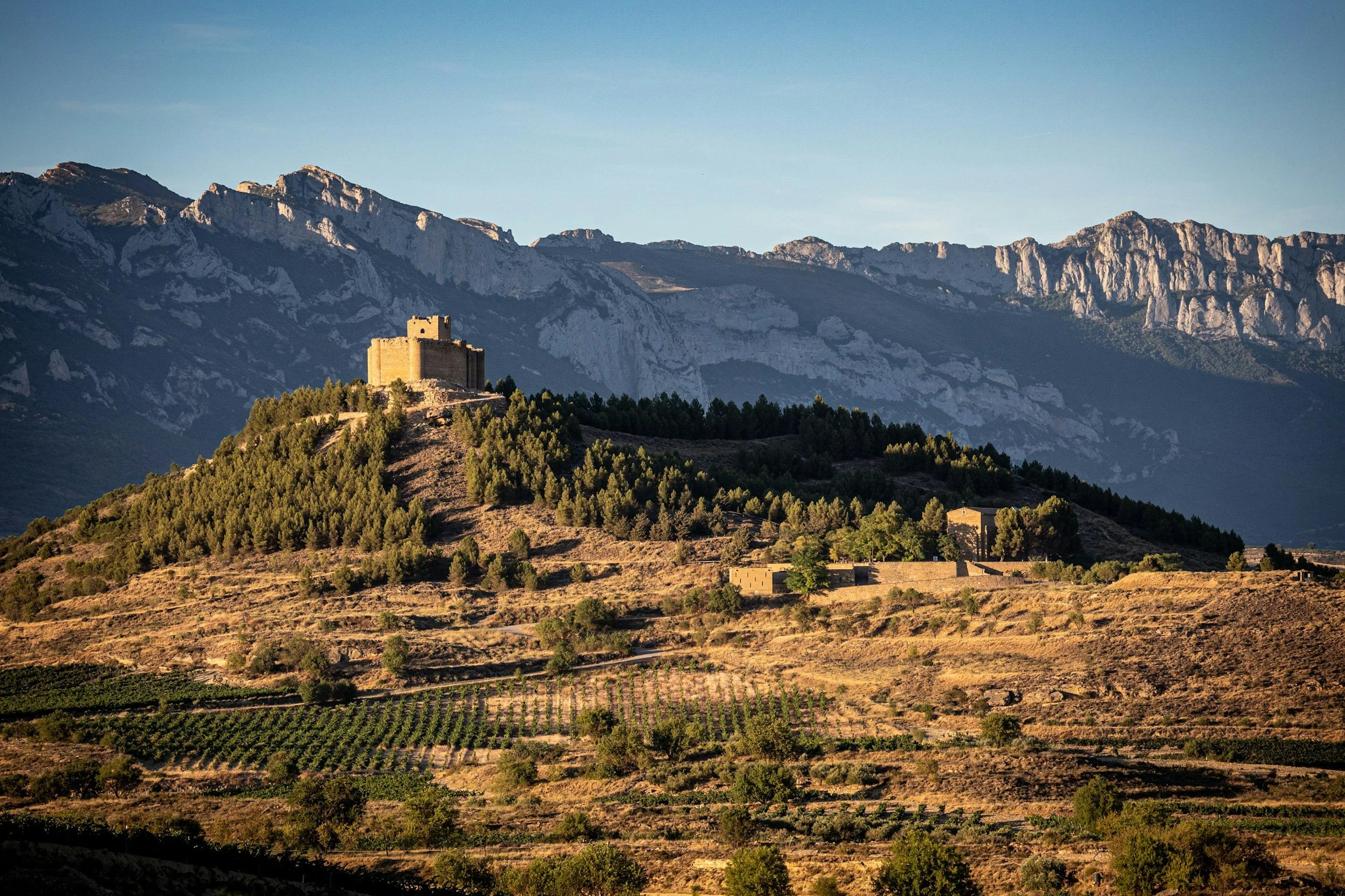
Spain's most famous wine region sits along the Ebro River in the north. Rioja is built on Tempranillo, often blended with Garnacha and Graciano, and aged in oak under a system that labels each bottle Crianza, Reserva, or Gran Reserva. The region splits into Rioja Alta and Rioja Alavesa, with historic bodegas in the town of Haro and modern, architect-designed wineries scattered through the hills. Visits are by appointment, so I book ahead.
Ribera del Duero — Bold Tempranillo on the High Plateau
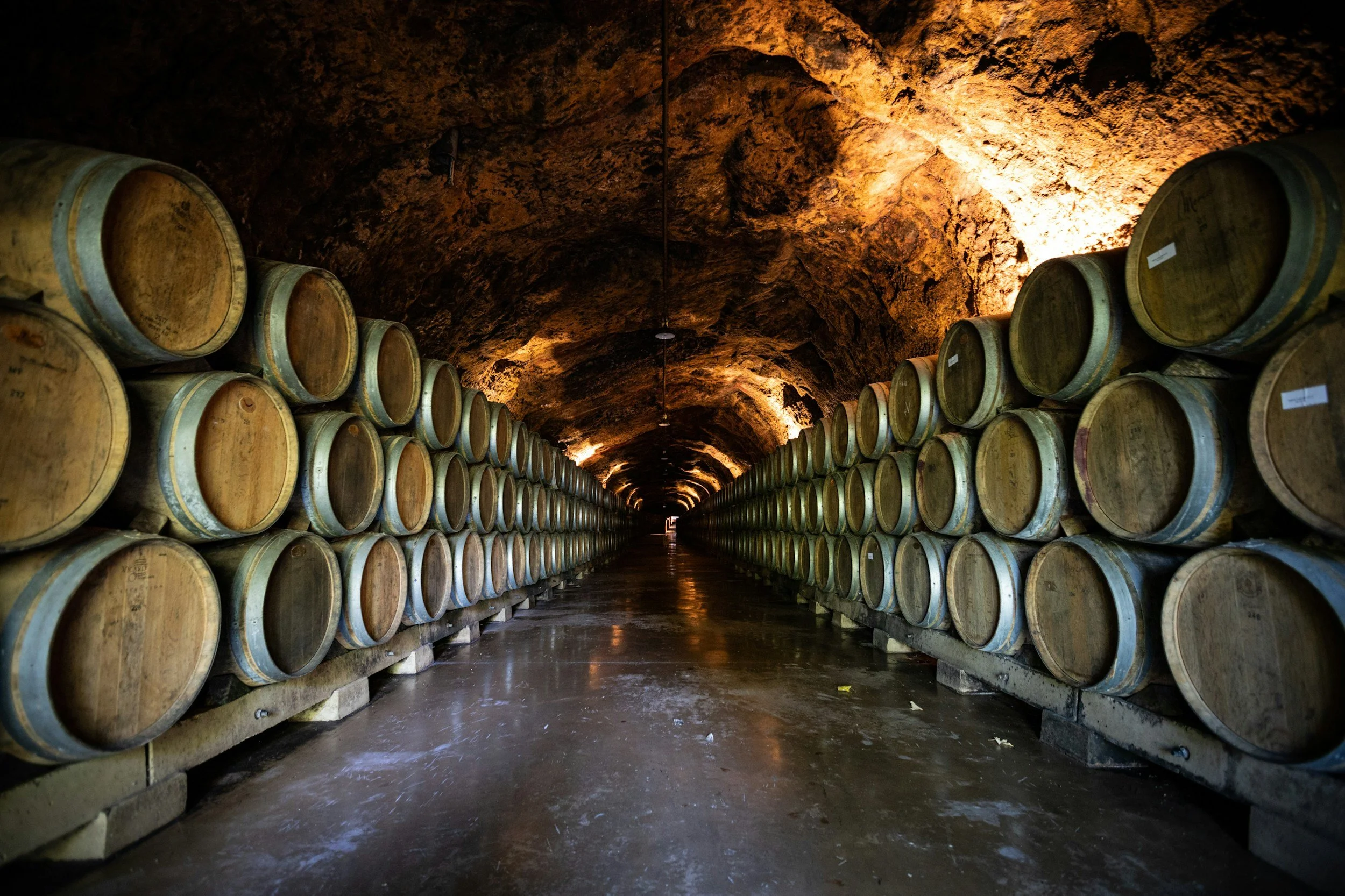
Roughly two hours north of Madrid, Ribera del Duero sits on a high, dry plateau where hot days and cold nights produce deep, structured Tempranillo. It's the region to visit for powerful reds and long, meat-focused lunches.
Rías Baixas — Albariño on the Atlantic
In Galicia, in Spain's green northwest, the coast is cut by deep tidal inlets called rías. This is Albariño country, crisp, saline whites that were made for the seafood arriving fresh from the boats. The landscape, language, and food feel distinct from the rest of Spain.
Catalonia
Penedès — Cava Country
About an hour from Barcelona, Penedès is the heart of Cava, Spain's traditional-method sparkling wine, made mostly from Macabeo, Xarel·lo, and Parellada. It's the easiest wine trip to add to a Barcelona stay, and its cellars range from large houses to small family producers. Still wines here are worth tasting too.
Priorat — Slate Terraces and Garnacha
Priorat is a small, dramatic region of steep terraces carved from dark slate known as llicorella. Old-vine Garnacha and Cariñena grow in tough, low-yielding soil, producing intense, mineral reds. A modern revival here in the 1980s put the region back on the map.
Southern Spain
Jerez — Sherry, Flamenco, and Andalusian Culture
Jerez is the home of sherry, the fortified wine made from Palomino, Pedro Ximénez, and Moscatel. The wines range from bone-dry Fino and Manzanilla to rich, nutty Oloroso, aged in a stacked-barrel system called a solera. It's also a city of flamenco, horses, and tapas bars, which makes it as much a cultural trip as a wine trip.

Beyond the Classics: Bierzo, Navarra, and Mallorca
If you've done the famous regions, these three reward the curious.
Bierzo, in northwestern Castilla y León, is known for fresh, floral reds from the Mencía grape.
Navarra, just east of Rioja, makes Garnacha-led wines and rosé at lower prices and with fewer crowds.
Mallorca offers island wines from local grapes like Callet and Manto Negro, with a very different feel from the mainland. For Mallorca, I recommend a stay at Grand Hotel Son Net, part of my curated collection.
Women-Owned Producer to Know: Verónica Ortega, in Valtuille de Abajo, Bierzo.
Not sure which region fits you? Tell me what you love and I'll match you.
Start a conversation with me →What Grapes Should I Know Before Visiting Spain's Wine Country?
You don't need to memorize every denomination — just the handful of grapes that define each region you're visiting.
| Region | Key Grapes | What to Know |
|---|---|---|
| Rioja | Tempranillo, Garnacha, Graciano | Crianza, Reserva, and Gran Reserva show how long the wine aged before release. Rioja Alta is classic. Rioja Alavesa is more modern. |
| Ribera del Duero | Tempranillo (Tinto Fino) | Powerful, structured reds from a high plateau with big day-night temperature swings. |
| Rías Baixas | Albariño | Crisp, saline, high-acid whites. Best with seafood. |
| Penedès | Macabeo, Xarel·lo, Parellada | The three Cava grapes. Look for traditional-method sparkling wine. |
| Priorat | Garnacha, Cariñena | Old vines, slate soil, and low yields produce concentrated, mineral reds. |
| Jerez | Palomino, Pedro Ximénez, Moscatel | Fino and Manzanilla are dry. Oloroso is richer and nutty. Pedro Ximénez is sweet. |
| Bierzo | Mencía | Fresh, floral, medium-bodied reds. |
| Navarra | Garnacha, Tempranillo | Garnacha-led reds and rosé, often at friendly prices. |
| Mallorca | Callet, Manto Negro | Local island grapes that rarely leave Mallorca. |
What Makes Spanish Wine Culture So Distinct?
Spanish wine culture is organized around the table, not the glass. Dinner rarely starts before 9 p.m., a tapas crawl is a legitimate way to spend an evening, and wine arrives as part of the meal rather than as the main event. In Rioja, the Camino de Santiago pilgrim route passes through the same villages that make the wine, a thread of history that's still visible in the stone churches and hospitality. In Jerez, sherry is inseparable from flamenco, horses, and the courtyard palaces of Andalusia. In Galicia, the language and food reflect Celtic roots, which is why a plate of octopus feels so different from the tapas in the south.
The sensory side is part of the experience too: the smell of old oak and cellar dust in a Rioja bodega, the salt on the air in the Rías Baixas, the almond-and-brine aroma of a Fino poured from a bottle kept cold. Plan your wine days around where you'll eat. That's how people here do it.
Where to Stay in Spain
Spain offers wine country stays for every kind of traveler, from restored palaces to design-forward retreats. Every category below can be booked directly or fully arranged for you.
Historic Palaces & Paradores
For travelers who want a sense of history, in the town centers where the tapas and tastings are.
Palacio de los Ángeles, a member of The Leading Hotels of the World (Haro, Rioja Alta): A palace hotel in the town where Rioja's historic bodegas are clustered, for guests who want to walk to tastings.
Palacio Tondón, Autograph Collection (Briñas, Rioja): A palace stay in the heart of Rioja for travelers who want history with the comforts of a larger hotel collection.
Casa Palacio María Luisa (Jerez de la Frontera): A restored palace in Jerez for travelers drawn to Andalusian architecture and a slower pace.
Casa del Compositor, Vignette Collection by IHG (Jerez de la Frontera): A historic stay in the heart of Jerez, a good base for sherry bodegas and flamenco evenings.
Parador de Pontevedra (Pontevedra, Rías Baixas): A historic parador in the heart of Rías Baixas, for those who want to walk the old town.
Bodega & Wine Estate Stays
Waking up inside a working wine property puts you in the rhythm of the place.
Hotel Bodega Tío Pepe (Jerez de la Frontera): A hotel connected to one of sherry's best-known names, for guests who want to be close to the cellars.
Mastinell Cava & Boutique Hotel, Olivia Hotels Collection (Penedès): A boutique stay at a Cava estate, ideal for a Barcelona-adjacent wine weekend.
Design-Led & Boutique Retreats
For guests who want a more contemporary feel.
Santa María Briones (Briones, Rioja): A boutique stay in one of Rioja's best-known wine villages, for travelers who prefer a smaller, more personal base.
ORA Hotel Priorat, a Member of Design Hotels (Priorat): A design-forward hotel in Priorat for travelers who want a modern base among the slate terraces.
Hotel Pepe Vieira (Rías Baixas): A design-led retreat in Galicia for travelers who value quiet and seafood by the water.
Little Beach House Barcelona (near Barcelona): A coastal Soho House stay for travelers pairing the city with a Penedès day trip.
Grand Hotel Son Net (Mallorca): Part of my curated collection, for travelers adding island wine to their trip.
How Do I Get Around Spanish Wine Country?
| Region | Gateway | Getting Around |
|---|---|---|
| Rioja | Madrid, about 3 hours by train or car to Logroño | Rental car or driver |
| Ribera del Duero | Madrid, about 2 hours by car | Rental car or driver |
| Rías Baixas | Santiago de Compostela or Vigo airports | Rental car, or train to Pontevedra |
| Penedès | Barcelona, about an hour by train or car | Train from Barcelona, or rental car or driver for the cellars |
| Priorat | Barcelona, about 2 hours by car | Rental car or driver (no direct train) |
| Jerez | Jerez airport, or Seville about an hour away | Walkable in town, taxi or driver for the vineyards |
| Mallorca | Palma airport | Rental car or driver |
Journey times are approximate, so confirm before booking. For most regions, public transport reaches the main towns but the bodegas sit outside them. A driver also means you can actually taste.
Visa and Entry: Requirements depend on your passport and trip length, so I keep that detail in one place. See my Bespoke International Travel: Visa, Currency & Logistics guide → before you book.
Spain Winery & Bodega Recommendations
These are estates worth visiting for the experience as much as the wine, not just tasting rooms, but places where you can understand how the wine is made and who made it.
Book Before You Go: Walk-in tastings aren't the norm in Spain, especially at smaller family-run bodegas. Contact them ahead, ideally a few days to several weeks in advance, and ask about visit and tasting fees. Many close or limit visits in August.
Short on time? Start at a wine bar or vinoteca. A good one in a town like Haro, Logroño, or Jerez lets you taste several producers by the glass, with no advance booking and no driving. It's the best way to sample broadly before deciding which bodega is worth the drive.
Women-Led & Women-Founded Estates
One of the most exciting developments in Spanish wine is the rise of women producers, particularly among younger estates. These are the estates I prioritize when building Women & Wine itineraries.
Verónica Ortega (Valtuille de Abajo, Bierzo): A woman-owned winery.
Finca Torremilanos / Pilar Pérez Albéniz (Aranda de Duero, Ribera del Duero): A women-owned estate.
Emendis (Penedès): A co-owned estate.
Essential Visits
Marqués de Riscal (Elciego, Rioja Alavesa): A historic bodega known for its striking, architect-designed building.
López de Heredia (Haro, Rioja Alta): A traditional bodega in the old Haro wine quarter.
Codorníu (Sant Sadurní d'Anoia, Penedès): One of Cava's best-known houses, with a large cellar complex to visit.
Bodegas Tío Pepe (Jerez): A sherry cellar visit that pairs naturally with a stay at Hotel Bodega Tío Pepe.
Can I Ship Wine Home From Spain?
Yes, but you'll need a licensed shipper, not the post office. If a bodega or wine shop offers to ship your purchase, they're using a licensed courier on your behalf. Most bodegas and vinotecas that sell to travelers do this routinely and can quote you on the spot.
What it costs: Expect to pay roughly $90 and $150 (€80 to €135) for a standard 6-bottle case, and $130 to $250 for a 12-bottle case plus U.S. customs duty and taxes on arrival.
What you'll owe on arrival: Travelers get a 1-liter duty-free allowance per person. Beyond that, expect customs duty plus a small federal excise tax per bottle. A few states also cap how much wine can enter without a license, so check your home state's alcohol import rules before you order a large case.
The DIY alternative: If you're only bringing home a bottle or two, a padded wine protector sleeve in checked luggage is the simplest option.
Rules and rates shift periodically, so always confirm current pricing and customs terms with your shipper or the bodega directly before you commit to a large order.
Book a Tasting
- 🔗 Wine Tours — Rioja: Explore Rioja Tours →
- 🔗 Wine Tours — Penedès & Cava: Explore Penedès & Cava Tours →
- 🔗 Wine Tours — Jerez & Sherry: Explore Jerez & Sherry Tours →
Want more options? Head to the Vault → for my full list of vetted travel partners.
Disclosure: Some links on this page earn me a commission at no cost to you.
What’s the Best Time to Visit Spain, Season by Season?
The quick answer: harvest season (September–October) is best. Here's the full picture for planning around your own schedule.
September – October
Harvest transforms the countryside. Bodegas open their doors, restaurants change their menus, and the vineyards are at their most alive. Temperatures have eased after summer, which makes long days of tasting more comfortable.
May – June
Spain is green and open before the summer heat. Bodegas are less busy, the weather is ideal for long lunches outdoors, and this is a wonderful time for a smaller, more private experience.
November – March
Bodegas are quiet and hospitality is more personal. Worth considering for an immersive, off-season experience, especially in the south, where Jerez stays mild.
July – August
Beautiful, but very hot inland, and many small bodegas close for the month. If summer is your only option, head to Galicia's Atlantic coast or Mallorca, where the weather is milder, and book tastings early.
What Wine Pairs with Spanish Food, Region by Region?
The rule that works almost without exception: drink the wine of the region with the food of the region.
| Region | Wine | Food Pairing |
|---|---|---|
| Rioja | Crianza | Grilled lamb chops, chorizo, or patatas bravas |
| Rioja | Reserva / Gran Reserva | Roast lamb or aged Manchego |
| Ribera del Duero | Tinto | Grilled chuletón (bone-in steak) |
| Rías Baixas | Albariño | Pulpo a la gallega (octopus), shellfish, or grilled fish |
| Penedès | Cava | Jamón ibérico, Manchego, or fried calamari |
| Priorat | Garnacha / Cariñena | Grilled meats and game |
| Jerez | Fino / Manzanilla | Almonds, jamón, or fried fish |
| Jerez | Amontillado / Oloroso | Rabo de toro (oxtail stew) or aged cheese |
| Bierzo | Mencía | Cecina (cured beef) or roasted red peppers |
If Spain Isn't the Right Fit, Where Else Should I Go?
📍 Italy
Classic Wine & CultureIf you want a similar wine experience with a different feel, Italy is one of my first suggestions for historic vineyards and unforgettable regional dining.
My Italy Travel & Wine Guide →📍 France
Grand Estates & TerroirExperience world-renowned wine regions, historic châteaux, and legendary gastronomy across Champagne, Burgundy, Bordeaux, and beyond.
My France Travel & Wine Guide →📍 Portugal
Value & Relaxed PacePortugal offers excellent value and a more relaxed pace, featuring stunning coastal views, historic port lodges, and incredible hospitality.
My Portugal Travel Guide →Ready to plan your Spain trip? I curate the bodegas, the stays, and the itinerary — every detail, built around what you actually want from the trip. Reach out and let's build it.
Let's Build Your Trip →The Wine Country Collection
Explore my curated series of viticulture and wine-focused destination guides.
Europe & Old World
- Italy Travel & Wine Guide →
- France Travel & Wine Guide →
- Spain Travel & Wine Guide →
- Portugal Wine Guide Writing Next
- Georgia In Pipeline
- Germany & Austria In Pipeline
- Greece In Pipeline
Southern Hemisphere
- South Africa Wine Guide →
- Argentina & Chile In Pipeline
- Australia & New Zealand In Pipeline
Emerging Frontiers
- Armenia In Pipeline
- Lebanon In Pipeline
- Asia Overview In Pipeline