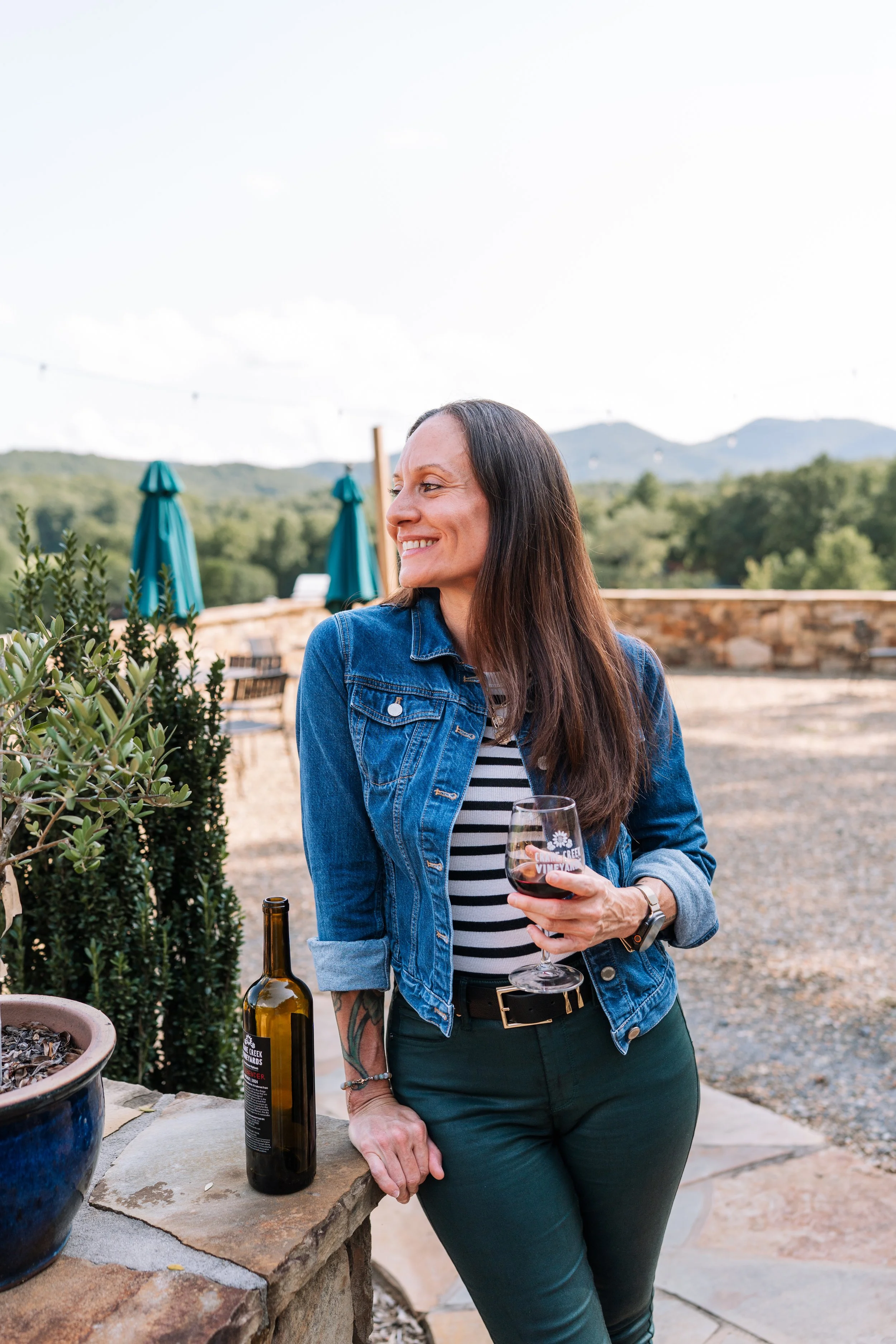
From vineyard to table — what to drink, where to go, and who made it.
What Makes Argentine Wine Worth Traveling For?
Argentina makes wine at the foot of the Andes, in some of the highest vineyards in the world. Malbec, a grape that originated in France, found its true home here, and the result is a wine that tastes of dark fruit, sunshine, and mountain air. An Argentine wine trip is also a trip to the table: slow, fire-cooked asado, empanadas, and long evenings that start late, with world-class bottles that are still good value.
This guide covers three regions worth knowing, a few lesser-known ones for the curious, the grapes to look for, when to go, where to stay, how to get around, and how to start planning, whether that's booking a tour or building a fully custom trip.
Want this done for you?
I build custom Argentine wine trips — bodegas, stays, and fully curated itineraries. Or explore the vetted experiences below and start planning today.
Start Planning With Me →TLDR;
What's the best time to visit Argentina for wine?
March and April — harvest season, called vendimia — is the best time to visit Argentine wine country. The vineyards are active, bodegas are at their most welcoming, and Mendoza hosts its famous harvest festival in early March.
October and November are a strong second choice, with mild spring weather and fewer crowds.
Be aware that Argentina's seasons are the reverse of the Northern Hemisphere, so harvest falls in the Northern Hemisphere’s spring.
Which Argentine wine region is best for beginners?
Mendoza is the best starting point for most first-time wine travelers. It produces most of the country's wine, it's set up for visitors, and it shows Malbec at its best, from the classic wines of Luján de Cuyo to the fresher, higher-altitude wines of the Uco Valley. Add Buenos Aires for the city and Salta for something different.
If you only have a few days, fly from Buenos Aires to Mendoza and stay in one place.
Where do wine experts stay in Mendoza?
Wine professionals visiting Mendoza typically stay in the Uco Valley or in Luján de Cuyo, both of which put you inside the vineyards.
A vineyard estate in the Uco Valley offers mountain views and tasting access on the property, while Luján de Cuyo is closer to the city and the classic old-vine bodegas.
Where can I find women-owned wineries in Argentina?
Susana Balbo Wines in Luján de Cuyo was founded by Susana Balbo, one of Argentina's pioneering winemakers, and is women-founded and women-owned. Bodega Catena Zapata in Mendoza is women-led, with Laura Catena at the helm. Both welcome visitors.
Can I ship wine home from Argentina?
Yes — most bodegas that welcome visitors can arrange shipping through a specialized wine courier. Expect roughly $135–$260 for a 6-bottle case and $200–$360 or more for 12 bottles, depending on the courier and whether U.S. customs duties are included up front. Ask for an all-inclusive quote before you pay.
Start Planning Now
Not ready for a fully custom itinerary? Here's how to start getting ready for Argentina today — book local tours, pack like a pro, or reserve guided experiences directly.
Vetted Experiences & Resources
- 🔗 Local Tours & Activities: Viator: Argentina Tours & Activities →
- 🔗 Guided History Walks: Context Travel: Expert-Led Walks →
- 🔗 Skip-the-Line Tickets: Tiqets: Argentina Attractions →
- 🔗 Rental Cars: DiscoverCars: Compare Rates for Wine Country →
- 🔗 Capture the Trip: Flytographer: Argentina Photo Sessions →
- 🔗 Stay Connected: Airalo: eSIM Data Plans →
- 🔗 Airport Transfers: Welcome Pickups: Private Transfer to Your Hotel →
- 🔗 Airport Lounge Access: Priority Pass: 1,300+ Lounges Worldwide →
- 🔗 Pack Like a Pro: GoEverFar: Travel Toiletry Kits →
- 🔗 Travel Insurance: Faye → or RoamRight →
Want more options? Head to the Vault → for my full list of vetted travel partners.
Disclosure: Some links on this page earn me a commission at no cost to you.
Argentina's Wine Regions
Argentina has more than a dozen wine regions, most of them along the Andes. I'll cover three in detail, then a few lesser-known ones for the curious.
Mendoza — Malbec at the Foot of the Andes
Mendoza is Argentina's heartland of wine and one of the world's great Malbec regions. Vineyards sit between about 800 and 1,500 meters above sea level, watered by Andean snowmelt, and the altitude gives the grapes intense color, fresh acidity, and a long, cool finish. The region has three main areas to know. Luján de Cuyo, closest to the city, is home to old-vine Malbec and many of the classic bodegas. The Uco Valley, farther south, sits higher and cooler, with fresher, more mineral wines and dramatic mountain views. Maipú, nearest the city, offers a more casual, bike-and-lunch style of visit.
Salta & Cafayate — High-Altitude Wines in the North
In Argentina's far northwest, the Calchaquí Valleys hold some of the highest vineyards in the world, many above 1,700 meters. Cafayate is the center of the region, known for Torrontés, a fragrant, floral white, alongside Malbec and Tannat. The landscape is red-rock desert, adobe villages, and big sky, and the pace is slow. It's the region to visit if you want something different from Mendoza.
Buenos Aires — The Gateway City
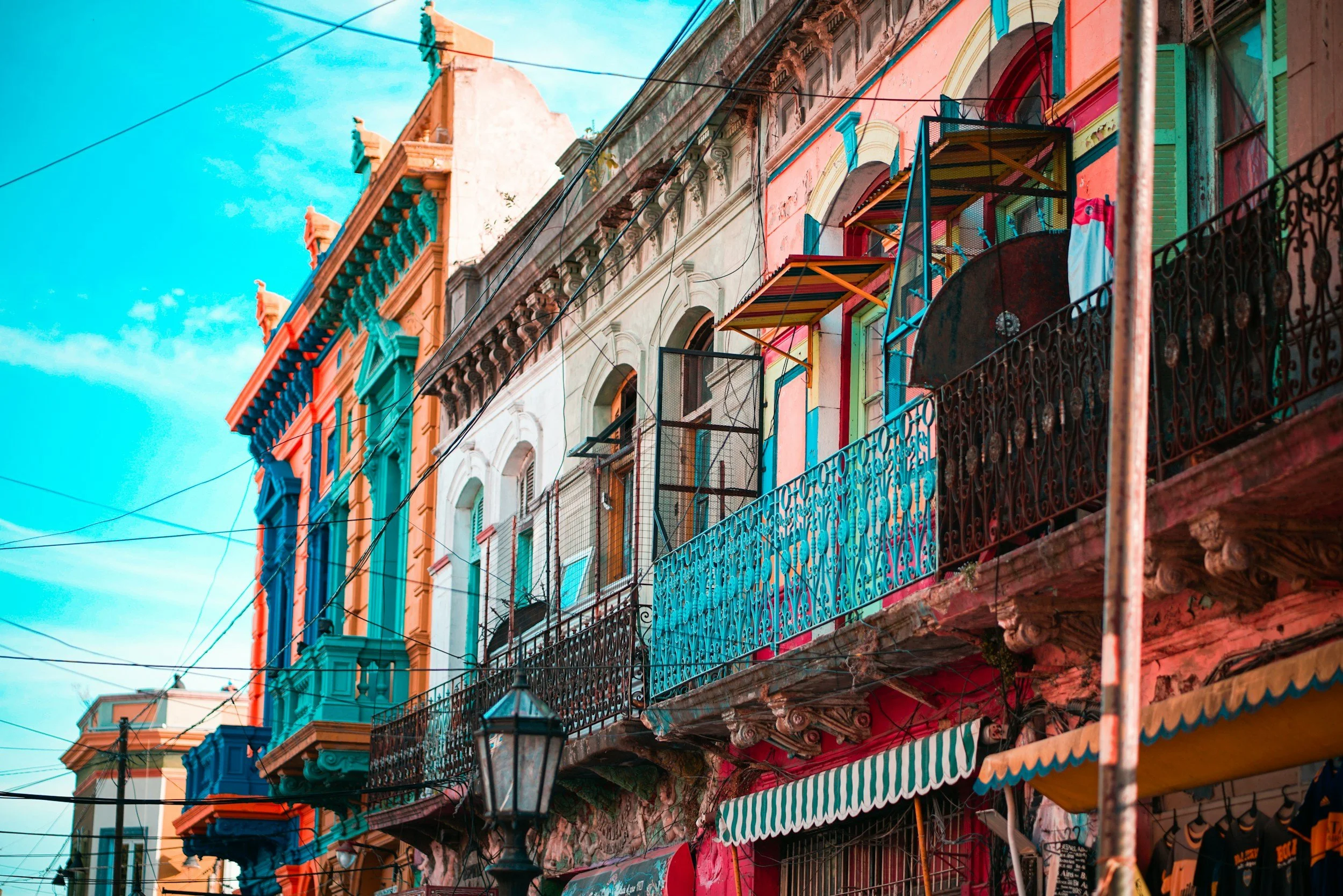
Almost every wine trip to Argentina begins in Buenos Aires, and the city deserves a few days of its own. It has an excellent wine-bar scene, classic steakhouses, and the café culture and tango history that make it one of South America's great cities. It's also the easiest place to taste wines from across the country in one sitting, with no driving.
Beyond the Classics: Patagonia, San Juan, and La Rioja (Argentina)
If you've done the famous regions, these three reward the curious. Patagonia, in Neuquén and Río Negro, is a cool, windy region that makes elegant Pinot Noir and Malbec, and it's far less visited. San Juan, north of Mendoza, is known for Syrah and Bonarda in a warm, dry climate. La Rioja, in Argentina's northwest, shares its name with the Spanish region and is known for Torrontés Riojano, a different expression of the grape than you'll find in Salta.
Women-Led and Women-Owned Producers to Know: Susana Balbo Wines (Luján de Cuyo), founded and owned by Susana Balbo, and Bodega Catena Zapata (Mendoza), led by Laura Catena.
What's New in Argentine Wine in 2026
- IWC Champion Red Wine: A Malbec from Gualtallary in the Uco Valley, Huentala's Calizo Albar Block 06 2023, was named IWC Champion Red Wine 2026, marking the only Argentine wine among the competition's five overall champions.
- Most Admired Brand: Catena Zapata was voted the world's most admired wine brand for 2026 by Drinks International's academy, its second straight year and third time at the top, and the only Argentine winery in the ranking.
- Tim Atkin's Report: Critic Tim Atkin's 2026 Argentina report tasted more than 1,615 wines from 261 producers, with a record 171 scoring 95 points or more. Bodegas Salentein in the Uco Valley was named Winery of the Year.
- Global Malbec Masters: Kaiken's Aventura Los Chacayes Sur 2023 from the Uco Valley won gold at the 2026 Global Malbec Masters.
Not sure which region fits you? Tell me what you love and I'll match you.
Start a conversation with me →What Grapes Should I Know Before Visiting Argentina's Wine Country?
You don't need to memorize every denomination — just the handful of grapes that define each region you're visiting.
| Region | Key Grapes | What to Know |
|---|---|---|
| Mendoza: Luján de Cuyo | Malbec, Cabernet Sauvignon, Bonarda | Classic, riper Malbec from old vines, often richer and more structured. |
| Mendoza: Uco Valley | Malbec, Cabernet Franc, Chardonnay | Higher and cooler. Fresher, more mineral wines with bright acidity. |
| Salta & Cafayate | Torrontés, Malbec, Tannat | Torrontés is floral and aromatic. Reds from very high altitudes are intense and concentrated. |
| Patagonia | Pinot Noir, Malbec | Cooler climate, more elegant and restrained styles. |
| San Juan | Syrah, Bonarda | Warm, dry climate. Fruit-forward reds. |
| La Rioja (Argentina) | Torrontés Riojano, Bonarda | A different Torrontés expression, often fuller and less floral than Salta's. |
What Makes Argentine Wine Culture So Distinct?
Argentine wine culture is shaped by the Andes. Almost every vineyard is irrigated by snowmelt carried through canals, a system whose roots go back to the Indigenous Huarpe people before the Spanish arrived. Spanish colonists brought the first vines, and Italian and French immigrants in the 1800s built the wine industry that exists today. Malbec arrived with the French and thrived at altitude, where intense sun, cool nights, and low rainfall give the grapes a depth they rarely reach in their original home. Some vineyards here sit above 3,000 meters, among the highest in the world.
The sensory side is part of the experience: the smell of wood smoke from an asado, empanadas still warm from the oven, and long, unhurried lunches under vine-covered pergolas with the Andes in the background. Dinner rarely starts before 9 p.m., and wine is poured as part of the meal, not apart from it. Plan your wine days around where you'll eat. That's how people here do it.
Where to Stay in Argentina
Argentina offers wine country stays for every kind of traveler, from vineyard estates in the Andean foothills to grand hotels in Buenos Aires. Every category below can be booked directly or fully arranged for you.
Mendoza: Vineyard Estates & Wine Hotels
Waking up inside a working wine property puts you in the rhythm of the place.
Casa de Uco Vineyards & Wine Hotel (Uco Valley): A vineyard estate stay with mountain views for travelers who want to taste where they sleep.
The Vines Resort & Spa (Uco Valley): A full-service resort among the vines, ideal for guests who want a spa and a polished, private base.
Chozos Resort (Uco Valley): A resort stay in wine country for travelers who like a more relaxed, villa-style feel.
Susana Balbo Winemaker's House (Luján de Cuyo): A stay at a women-founded and women-owned winery, for travelers who want to be close to the cellars.
Awasi Mendoza, Relais & Châteaux (Luján de Cuyo): A private, villa-style retreat for guests who value personal service and quiet.
Salta & Cafayate
House of Jasmines, Relais & Châteaux (Cafayate): A refined stay in the heart of Cafayate wine country, for travelers who want comfort among the high-altitude vineyards.
Buenos Aires
Palacio Duhau, Park Hyatt Buenos Aires (Recoleta): A palace hotel in Recoleta for travelers who value classic luxury and a central, walkable location.
Four Seasons Hotel Buenos Aires (Buenos Aires): A polished, full-service stay for guests who want reliable luxury and a calm base.
Alvear Palace Hotel (Recoleta): A grand historic hotel for those who want old-world elegance in the city.
Be Jardin Escondido by Coppola (Buenos Aires): A boutique stay with a private, garden feel for travelers who prefer a smaller, more personal hotel.
How Do I Get Around Argentine Wine Country?
| Region | Gateway | Getting Around |
|---|---|---|
| Mendoza | Fly from Buenos Aires, about 2 hours | Driver or rental car. Luján de Cuyo is about 30 minutes from the city, and the Uco Valley is about 1.5 hours. |
| Salta & Cafayate | Fly from Buenos Aires to Salta, about 2 hours | Driver or rental car. Cafayate is a scenic drive of several hours from Salta. |
| Buenos Aires | Ezeiza International Airport | Private transfer or taxi. Walkable within neighborhoods. |
| Patagonia | Fly to Neuquén from Buenos Aires | Rental car or driver |
Journey times are approximate, so confirm before booking. Distances in Argentina are long, so I'd plan on one flight within the country for each region. A driver also means you can actually taste.
Visa and Entry: Requirements depend on your passport and trip length, so I keep that detail in one place. See my Bespoke International Travel: Visa, Currency & Logistics guide → before you book.
Argentina Winery & Bodega Recommendations
These are estates worth visiting for the experience as much as the wine, not just tasting rooms, but places where you can understand how the wine is made and who made it.
Book Before You Go: Walk-in tastings aren't the norm in Argentina, especially at smaller family-run bodegas. Contact them ahead, ideally a few days to several weeks in advance, and ask about visit and tasting fees. Many serve lunch by reservation only.
Short on time? Start at a wine bar. A good one in Mendoza or Buenos Aires lets you taste several producers by the glass, with no advance booking and no driving. It's the best way to sample broadly before deciding which bodega is worth the drive.
Women-Led & Women-Founded Estates
One of the most exciting developments in Argentine wine is the rise of women winemakers. These are the estates I prioritize when building Women & Wine itineraries.
Susana Balbo Wines (Luján de Cuyo): Founded and owned by Susana Balbo, one of Argentina's pioneering winemakers.
Bodega Catena Zapata (Mendoza): Led by Laura Catena, a leading name in Argentine wine.
Essential Visits
Bodega Catena Zapata (Mendoza): One of Argentina's most celebrated wineries, led by Laura Catena.
Susana Balbo Wines (Luján de Cuyo): A women-founded and women-owned estate and an excellent introduction to Luján de Cuyo.
Zuccardi Valle de Uco (Uco Valley): A showcase of high-altitude Uco Valley wines.
Bodega Colomé (Salta): One of Argentina's oldest wineries, in the high-altitude Calchaquí Valleys.
Can I Ship Wine Home From Argentina?
Yes — most bodegas that welcome visitors can arrange shipping through a specialized wine courier. Expect roughly 135–260 for a 6-bottle case and 200–360 or more for 12 bottles, depending on the courier and whether U.S. customs duties are included up front. Ask for an all-inclusive quote before you pay.
What it costs: Specialized wine couriers, many based in Mendoza, typically charge roughly 135–260 for a 6-bottle case and 200–360 or more for a full 12-bottle case. The range depends on the courier, transit speed, and whether customs duties are included in the quote.
What else you may owe: If the quote isn’t all-inclusive, expect U.S. customs duty and possibly a customs broker fee on top. U.S. tariffs on imported wine have changed several times over the past year, so always ask your shipper for the total landed cost before you pay.
Delivery: Alcohol shipments require an adult signature (21+) on delivery, and couriers can’t deliver to P.O. boxes or hotels. A few states also prohibit direct shipment of international wine to homes, so check your state’s rules before you order
The DIY alternative: If you're only bringing home a bottle or two, a padded wine protector sleeve in checked luggage is the simplest option. Travelers get a 1-liter duty-free allowance per person, and a few states cap how much wine can enter without a license, so check your home state's rules.
Rules and rates shift periodically, so always confirm current pricing and customs terms with your shipper or the bodega directly before you commit to a large order.
What’s the Best Time to Visit Argentina, Season by Season?
The quick answer: harvest season (March–April) is best. Here's the full picture for planning around your own schedule. Remember that Argentina's seasons are the reverse of the Northern Hemisphere.
March – April
Harvest transforms the countryside. Bodegas open their doors, restaurants change their menus, and the vineyards are at their most alive. Mendoza's harvest festival takes place in early March, and the weather is warm and dry.
October – November
Argentina is green and open before the summer heat. Bodegas are less busy, the weather is ideal for long lunches outdoors, and this is a wonderful time for a smaller, more private experience.
May – August
Bodegas are quiet and hospitality is more personal, with snow on the Andes and crisp, sunny days in Mendoza. Worth considering for an immersive, off-season experience.
December – February
Beautiful, but hot in Mendoza, and Salta has its rainy season in the summer months. If summer is your only option, head to the Uco Valley's higher elevations, where the air is cooler, and book tastings early.
What Wine Pairs with Argentine Food, Region by Region?
The rule that works almost without exception: drink the wine of the region with the food of the region.
| Region | Wine | Food Pairing |
|---|---|---|
| Mendoza: Luján de Cuyo | Malbec | Asado (wood-fired grilled beef) and provoleta |
| Mendoza: Uco Valley | Malbec / Cabernet Franc | Grilled lamb or lomo (tenderloin) |
| Mendoza: Uco Valley | Chardonnay | Grilled fish or roasted vegetables |
| Salta & Cafayate | Torrontés | Empanadas salteñas or goat cheese |
| Salta & Cafayate | Malbec / Tannat | Locro (hearty stew) or grilled meats |
| San Juan | Syrah / Bonarda | Pasta with slow-cooked sauces |
If Argentina Isn't the Right Fit, Where Else Should I Go?
📍 South Africa
Mountain Scenery & ValueIf you want a similar wine experience with a different feel, South Africa is my first suggestion for dramatic mountain scenery and great value.
My South Africa Travel & Wine Guide →📍 Spain
Old World RootsSpain offers the Old World roots of Argentina's wine tradition, pairing historic bodegas with vibrant culinary culture.
My Spain Travel & Wine Guide →Ready to plan your Argentina trip? I curate the bodegas, the stays, and the itinerary — every detail, built around what you actually want from the trip. Reach out and let's build it.
Let's Build Your Trip →The Wine Country Collection
Explore my curated series of viticulture and wine-focused destination guides.
Europe & Old World
- Italy Travel & Wine Guide →
- France Travel & Wine Guide →
- Spain Travel & Wine Guide →
- Portugal Travel & Wine Guide →
- Georgia In Pipeline
- Germany & Austria In Pipeline
- Greece In Pipeline
North America
- California Travel & Wine Guide →
- Oregon & Washington In Pipeline
- New York Finger Lakes In Pipeline
Southern Hemisphere
- South Africa Wine Guide →
- Argentina Travel & Wine Guide →
- Chile In Pipeline
- Australia & New Zealand In Pipeline
Emerging Frontiers
- Armenia In Pipeline
- Lebanon In Pipeline
- Asia Overview In Pipeline