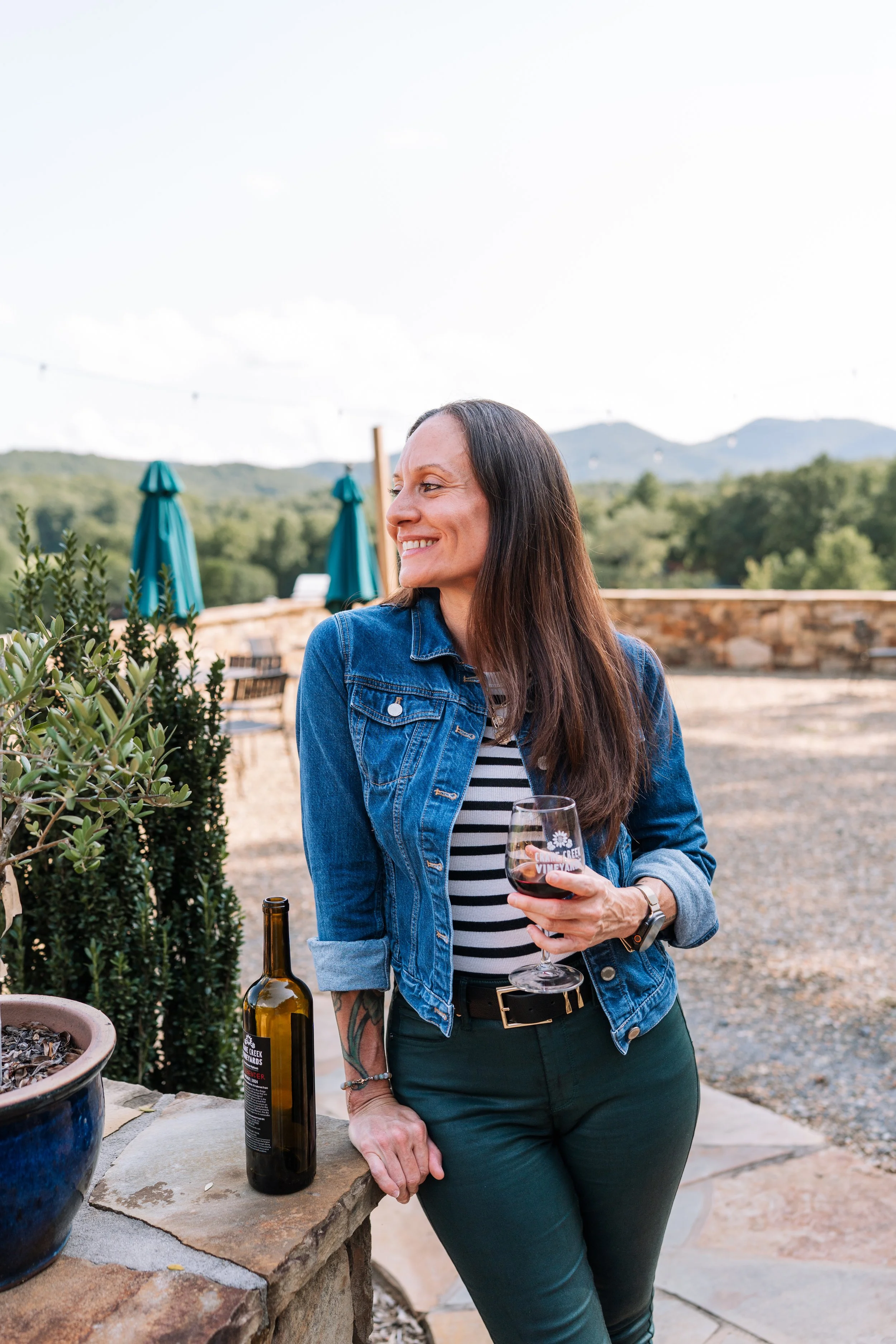
From vineyard to table — what to drink, where to go, and who made it.
What Makes California Wine Worth Traveling For?
California makes some of the most celebrated wine in the world, and it does it across a landscape that changes every hour you drive: fog-cooled valleys, oak-covered hills, and ocean-facing ridges. It's the wine country with the most variety within a single trip, from Napa's Cabernet estates to Santa Barbara's cool-climate Pinot Noir. A California wine trip is also a trip to the table, where farm-to-table dining and long, sunny lunches are part of the itinerary, and where some of the most exciting producers right now are women.
This guide covers five regions worth knowing, a few lesser-known ones for the curious, the grapes to look for, when to go, where to stay, how to get around, and how to start planning, whether that's booking a tour or building a fully custom trip. If you're also planning a drive along the coast, I have two guides on that too, listed near the end.
I build custom California wine trips — estates, stays, and fully curated itineraries. Or explore the vetted experiences below and start planning today.
Start Planning With Me →TLDR;
What's the best time to visit California for wine?
September and October — harvest season, called crush — is the best time to visit California wine country. The vineyards are active, wineries are at their most lively, and the light across the hills is golden.
April through June is a strong second choice, with green hills, mild weather, and fewer crowds.
Be aware that wildfire smoke can affect late summer and fall in some years, so check conditions before you book tastings.
Which California wine region is best for beginners?
Napa Valley is the best starting point for most first-time wine travelers. It's compact, well set up for visitors, and it shows California Cabernet Sauvignon at its best. Sonoma County is the more relaxed alternative, with more variety, from Pinot Noir to Zinfandel.
If you only have a few days, pick one valley and stay put.
Where do wine experts stay in Napa Valley?
Wine professionals visiting Napa typically stay in St. Helena, Yountville, or Calistoga, which put you within a short drive of most of the valley's best-known estates.
A stay in Yountville lets you walk to dinner, while Calistoga is quieter and closer to the valley's northern end.
Where can I find women-owned wineries in California?
California has some of the strongest women-led wine producers in the country. La Sirena in Calistoga was founded by Heidi Peterson Barrett and is women-owned. Oxlee Graham in Sonoma County is women-owned and founded by Jennie Murphy. Handley Cellars in Anderson Valley was founded by Milla Handley and is now owned by her daughters.
Can I ship wine home from California?
Yes — most states allow wineries to ship wine directly to consumers, though rules differ by state, and a few restrict or prohibit it. Expect volume limits, and an adult signature (21+) on delivery. Ask the winery whether they ship to your state before you buy.
Start Planning Now
Not ready for a fully custom itinerary? Here's how to start getting ready for California today — book local tours, pack like a pro, or reserve guided experiences directly.
Vetted Experiences & Resources
- 🔗 Local Tours & Activities: Viator: California Tours & Activities →
- 🔗 Guided History Walks: Context Travel: Expert-Led Walks →
- 🔗 Skip-the-Line Tickets: Tiqets: California Attractions →
- 🔗 Rental Cars: DiscoverCars: Compare Rates for Wine Country →
- 🔗 Capture the Trip: Flytographer: California Photo Sessions →
- 🔗 Stay Connected: Airalo: eSIM Data Plans →
- 🔗 Airport Transfers: Welcome Pickups: Private Transfer to Your Hotel →
- 🔗 Airport Lounge Access: Priority Pass: 1,300+ Lounges Worldwide →
- 🔗 Pack Like a Pro: GoEverFar: Travel Toiletry Kits →
- 🔗 Travel Insurance: Faye → or RoamRight →
Want more options? Head to the Vault → for my full list of vetted travel partners.
Disclosure: Some links on this page earn me a commission at no cost to you.
California's Wine Regions
California has more than 100 designated wine regions, and the ones below are the ones that matter most for travel. I'll cover five in detail, then a few lesser-known areas for the curious.
Napa Valley — Cabernet Country
Napa is California's most famous wine region and one of the most visited in the world. The valley is only about 30 miles long, but it holds hundreds of wineries, and its warm days and cool nights produce ripe, structured Cabernet Sauvignon. The towns each have their own feel: Yountville for restaurants, St. Helena for boutique shopping and a classic main street, and Calistoga for hot springs and a quieter pace. Most tastings are by appointment, so I book ahead.
Sonoma County — Variety and a Relaxed Pace
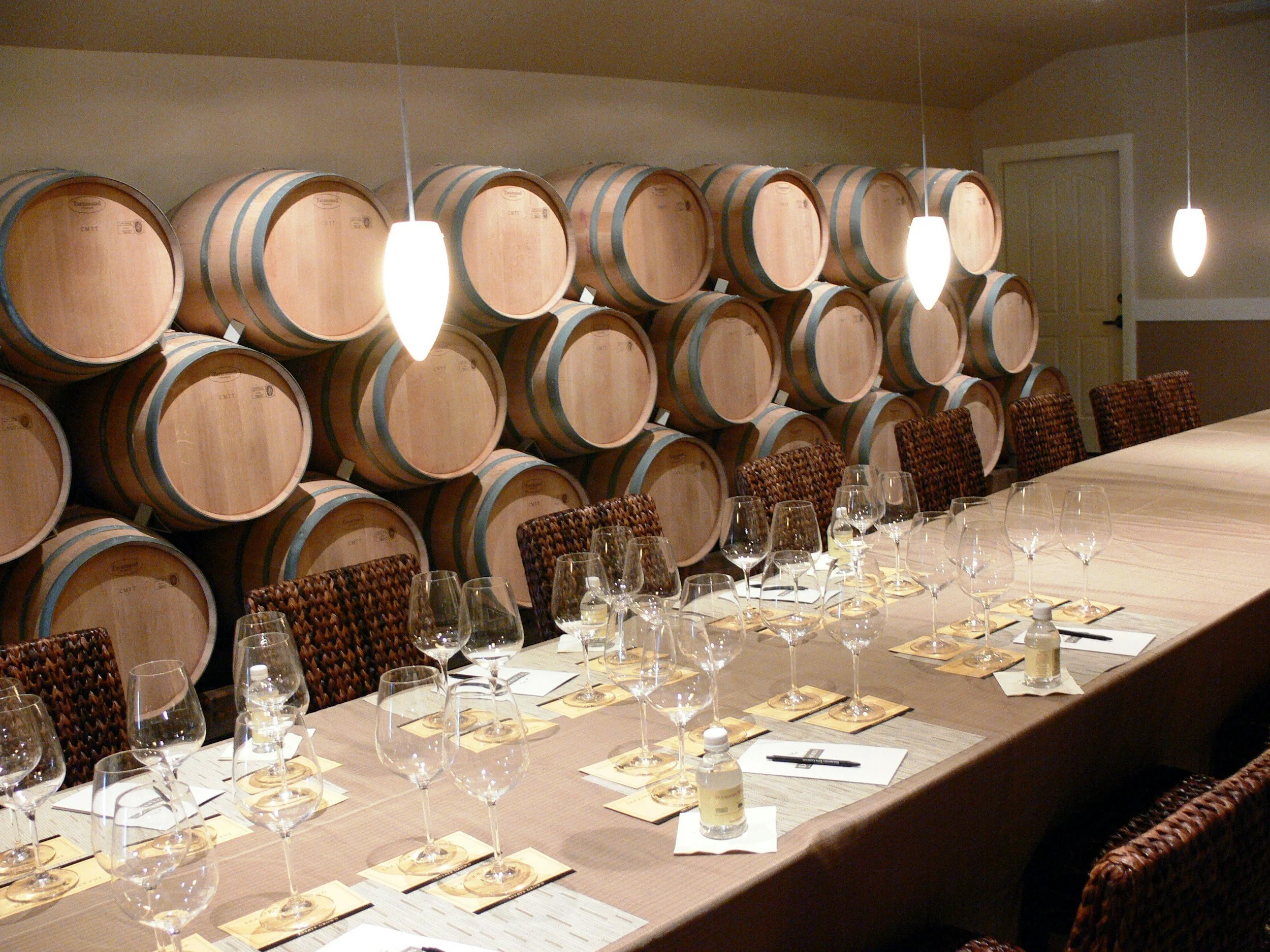
Sonoma is larger, more varied, and more relaxed than Napa, with several distinct areas to know. The Russian River Valley is known for Pinot Noir and Chardonnay, Dry Creek Valley for Zinfandel, Alexander Valley for Cabernet Sauvignon, and Sonoma Valley, a historic area, for a mix of everything. It's a good choice for travelers who want a smaller-scale, family-run feel and long lunches in a farm setting.
Paso Robles — The Laid-Back Central Coast
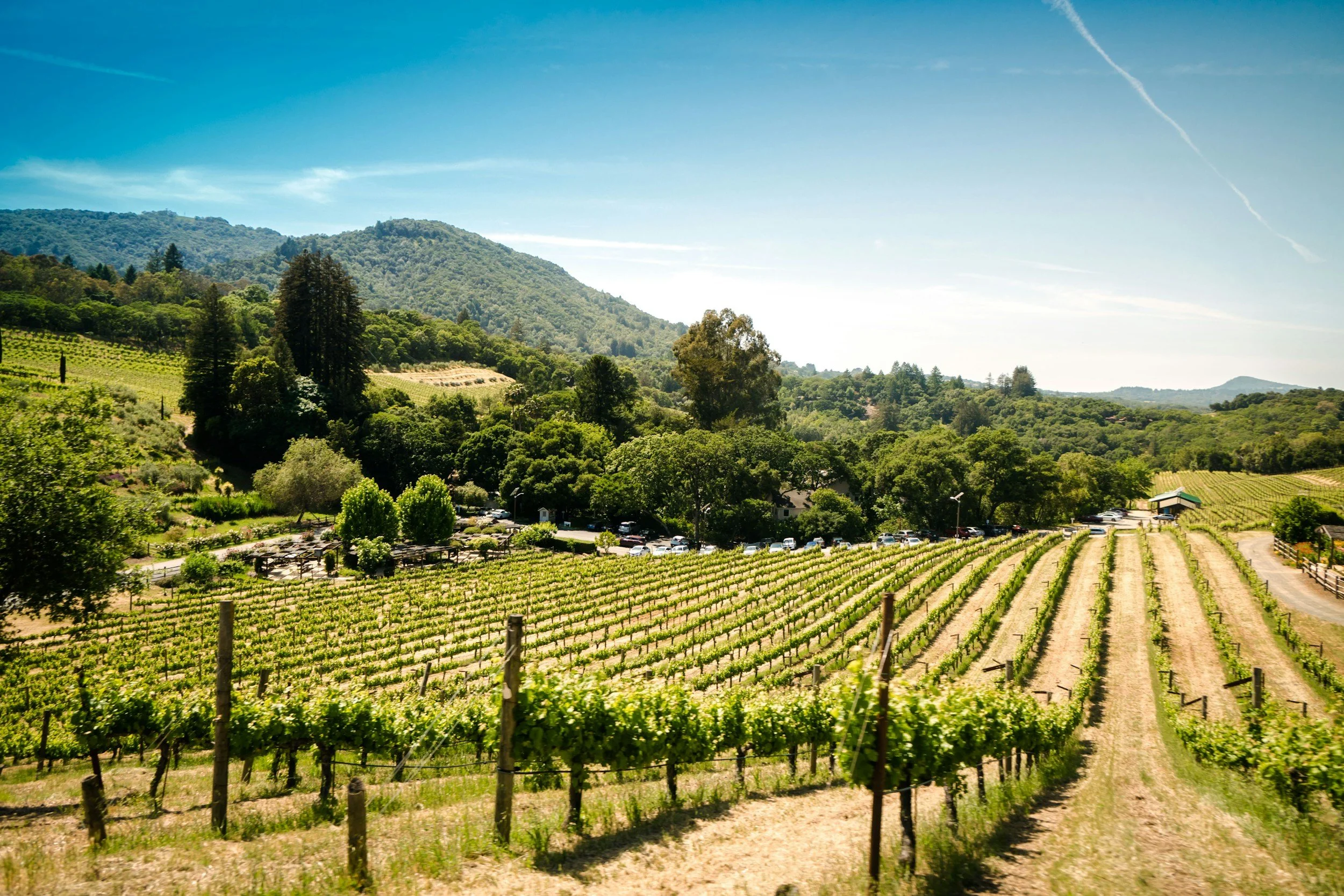
Between San Francisco and Los Angeles, Paso Robles is California's more casual wine region, known for bold reds and Rhône-style blends, including Syrah, Grenache, and Mourvèdre. The landscape is open, rolling oak savanna, and the pace is slow. Nearby Edna Valley, on the same stretch of Central Coast, is having a quiet moment of its own, and is worth a detour for cool-climate whites.
Santa Barbara County — Pinot Noir by the Ocean
North of Santa Barbara, the Santa Ynez Valley and the Sta. Rita Hills sit in transverse valleys that open to the Pacific, so cool ocean air shapes the wines. This is the region to visit for elegant Pinot Noir and Chardonnay, and it pairs naturally with a stay in the city of Santa Barbara.
Mendocino & Anderson Valley — Cool, Quiet, and Coastal
Three hours north of San Francisco, Mendocino County feels like a different California. Anderson Valley, a narrow, cool valley close to the coast, is known for Pinot Noir, Chardonnay, and sparkling wine. It's the quietest region in this guide, and a good one for travelers who want a slower, less crowded experience.
Beyond the Classics: Lodi and the Santa Cruz Mountains
If you've done the famous regions, these two reward the curious. Lodi, in the Central Valley, is one of California's oldest grape-growing areas, home to old-vine Zinfandel and a growing group of small producers working with Mediterranean varieties. The Santa Cruz Mountains, just south of San Francisco, are a cool, forested region known for Pinot Noir, Chardonnay, and Cabernet Sauvignon from steep mountain vineyards.
Women-Owned and Women-Led Producers to Know: La Sirena (Calistoga), Oxlee Graham Wines (Sonoma County), Handley Cellars (Anderson Valley), Carol Shelton Wines (Santa Rosa), La Cienega Vineyard (Alexander Valley), One Hope Wine (Napa), and Terah Wine Co. (sources Lodi grapes).
What's New in California Wine in 2026
- Napa Harvest: Napa began harvest on July 21, about a month early, after a warm spring. Yields were down, but producers report small berries, deep color, and bright acidity, a quality-driven vintage.
- Decanter World Wine Awards: California had its best Decanter World Wine Awards showing for the U.S. this year, led by Clos du Val's Yettalil Stags Leap 2023 at 97 points, and a $20 Sonoma rosé from Angels & Cowboys earned the country's only Top Value Gold.
- Tasting Milestones: Sonoma's Aperture Cellars 2021 Collage became the first Sonoma wine to win the red category at the Judgment of Napa anniversary tasting, and Vine Hill Ranch's 2019 Cabernet outscored Château Margaux at the Judgment of Singapore.
- Central Coast Standout: Edna Valley on the Central Coast had a quiet standout with Wolff Vineyards winning Best of Class Gold for its Riesling.
Not sure which region fits you? Tell me what you love and I'll match you.
Start a conversation with me →What Grapes Should I Know Before Visiting California's Wine Country?
You don't need to memorize every appellation — just the handful of grapes that define each region you're visiting.
| Region | Key Grapes | What to Know |
|---|---|---|
| Napa Valley | Cabernet Sauvignon, Merlot, Chardonnay | Warm days and cool nights make ripe, structured, age-worthy reds. |
| Sonoma County | Pinot Noir, Chardonnay, Zinfandel, Cabernet Sauvignon | The most varied region. Russian River for Pinot and Chardonnay, Dry Creek for Zinfandel. |
| Paso Robles | Syrah, Grenache, Mourvèdre, Cabernet Sauvignon, Zinfandel | Bold reds and Rhône-style blends in a warm, relaxed region. |
| Santa Barbara County | Pinot Noir, Chardonnay, Syrah | Ocean-cooled valleys give elegant, balanced wines. |
| Mendocino & Anderson Valley | Pinot Noir, Chardonnay, Gewürztraminer, sparkling wine | A cool, quiet region with a pioneering history. |
| Lodi | Zinfandel, Carignan, Albariño, Vermentino | Old vines and growing interest in Mediterranean grapes. |
| Santa Cruz Mountains | Pinot Noir, Chardonnay, Cabernet Sauvignon | Cool, mountain-grown wines with structure and acidity. |
What Makes California Wine Culture So Distinct?
California wine culture is built on invention. Spanish missionaries planted the first vines in the 1700s, and the Gold Rush brought a wave of settlers who expanded the industry. In 1976, a blind tasting in Paris, now known as the Judgment of Paris, put California Cabernet and Chardonnay on the world stage, and the state has been a leader ever since. Women have been part of the story from the start: Josephine Tychson built one of Napa's first winery buildings in the 1880s, and Milla Handley opened Handley Cellars in Anderson Valley in 1982 as the first woman winemaker to open a winery under her own name in California.
The sensory side is part of the experience: warm stone and oak in a barrel room, mustard blooming between the vines in early spring, and long, sun-drenched lunches built around what's in season. Farm-to-table isn't a trend here; it's how people eat. Plan your wine days around where you'll eat. That's how people here do it.
Where to Stay in California
California offers wine country stays for every kind of traveler, from vineyard resorts in Napa to coastal inns in Mendocino. Every category below can be booked directly or fully arranged for you.
Napa Valley
Stanly Ranch, Auberge Collection (Napa): A polished ranch-style resort for travelers who want design and a private feel in the southern end of the valley.
Solage, Auberge Collection (Calistoga): A relaxed, spa-focused retreat at the quieter northern end of the valley.
Le Petit Pali (St. Helena): A boutique stay in the heart of St. Helena for guests who like to walk to dinner.
Bardessono Hotel and Spa (Yountville): A refined, spa-forward hotel in Yountville, close to the valley's best restaurants.
Rancho Caymus Inn (Rutherford): A Spanish-style inn in the middle of the valley, close to Rutherford's best-known estates.
Sonoma County
Fairmont Sonoma Mission Inn & Spa (Sonoma): A classic spa resort in Sonoma Valley for guests who value full amenities.
Gaige House (Glen Ellen): A boutique inn in Glen Ellen for a quieter, village feel.
The Lodge at Sonoma Resort, Autograph Collection (Sonoma): A resort stay near Sonoma's historic plaza, a good base for a relaxed itinerary.
Paso Robles
Allegretto Vineyard Resort Paso Robles (Paso Robles): A Tuscan-inspired vineyard resort for travelers who want a destination stay.
River Lodge Paso (Paso Robles): A smaller, more relaxed stay for travelers who prefer a boutique feel.
Santa Barbara County
El Encanto Santa Barbara (Santa Barbara): A historic hillside hotel with views, for guests who want a refined base before heading into the wine country.
Hotel Californian (Santa Barbara): A lively, design-forward hotel close to the city's tasting rooms and beaches.
Mendocino & Anderson Valley
The Inn at Newport Ranch (Fort Bragg): A coastal inn for travelers who want to pair Anderson Valley tastings with the Mendocino coast.
How Do I Get Around California Wine Country?
| Region | Gateway | Getting Around |
|---|---|---|
| Napa Valley | San Francisco (SFO) or Oakland, about 1.5 hours by car | Driver or rental car |
| Sonoma County | San Francisco or Santa Rosa airport, about 1–1.5 hours by car | Driver or rental car |
| Paso Robles | San Luis Obispo airport, or about 3.5 hours by car from San Francisco or Los Angeles | Driver or rental car |
| Santa Barbara County | Santa Barbara airport | Driver or rental car. The city is walkable. |
| Mendocino & Anderson Valley | San Francisco, about 3 hours by car | Rental car |
Journey times are approximate, so confirm before booking. For most regions, the wineries sit outside the towns and public transport doesn't reach them. A driver also means you can actually taste.
California Winery Recommendations
These are estates worth visiting for the experience as much as the wine, not just tasting rooms, but places where you can understand how the wine is made and who made it.
Book Before You Go: Walk-in tastings are less common in California than they used to be, especially in Napa. Book ahead, ideally a few days to several weeks in advance, and ask about tasting fees. Many estates serve food by reservation only.
Short on time? Start in a tasting room in town. A good one in Healdsburg, Yountville, or Paso Robles lets you taste several producers in one sitting, with no driving between estates.
Women-Led & Women-Founded Estates
One of the most exciting developments in California wine is the rise of women winemakers and owners. These are the estates I prioritize when building Women & Wine itineraries.
La Sirena (Calistoga): Founded by Heidi Peterson Barrett in 1994, and women-owned. Visits are by appointment.
Oxlee Graham Wines (Sonoma County): Founded by Jennie Murphy, a women-owned and family-driven winery.
Handley Cellars (Anderson Valley): Founded in 1982 by Milla Handley and now owned by her daughters, Lulu McClellan and Megan Handley Warren.
Carol Shelton Wines (Santa Rosa): Founded and led by winemaker Carol Shelton, known as one of the most-awarded winemakers in the country, with a focus on Zinfandel.
La Cienega Vineyard (Alexander Valley): A boutique, family-owned, women-led estate led by proprietor Katja Newman.
One Hope Wine (Napa): Women-led winemaking, with Isadora Frias as head winemaker.
Terah Wine Co. (Lodi grapes): Founded and owned by winemaker Terah Bajjalieh, who sources organic and low-intervention fruit from Lodi and other regions.
Essential Visits
Robert Mondavi Winery (Oakville, Napa): A landmark estate that helped shape modern Napa Valley.
Caymus Vineyards (Rutherford, Napa): A family-owned Napa estate known for its Cabernet Sauvignon, in the heart of Rutherford.
Buena Vista Winery (Sonoma): The historic Sonoma estate known as the state's oldest.
Tablas Creek Vineyard (Paso Robles): A pioneering estate for Rhône varieties on the Central Coast.
Handley Cellars (Anderson Valley): A women-founded, women-owned estate with a charming tasting room.
Can I Ship Wine Home From California?
Yes, in most cases. Most states allow wineries to ship wine directly to consumers, and the winery can usually arrange it on the spot. The details vary by state.
Volume limits: Many states cap how much a consumer can receive, commonly around two cases a month or twelve cases a year.
Delivery: An adult signature (21+) is required, and carriers can't leave alcohol at the door.
State rules: A few states restrict or prohibit direct wine shipping, and shipping from out-of-state retail shops is more limited than shipping from the winery itself. Ask the winery whether they ship to your state before you buy, and check your state's current rules if you plan to order a large amount.
The DIY alternative: If you're only bringing home a few bottles, a padded wine protector sleeve in checked luggage is the simplest option.
Rules change periodically, so always confirm with the winery or your state's alcohol agency before you commit to a large order.
Book a Tasting
- 🔗 Wine Tours & Experiences in California: Viator: California Wine Tours →
Want more options? Head to the Vault → for my full list of vetted travel partners.
Disclosure: Some links on this page earn me a commission at no cost to you.
What's the Best Time to Visit California, Season by Season?
The quick answer: harvest season (September–October) is best. Here's the full picture for planning around your own schedule.
September – October
Harvest transforms the countryside. Wineries are lively, restaurants change their menus, and the vineyards are at their most alive. Wildfire smoke can affect this season in some years, so check conditions before you book.
April – June
California is green and open before the summer heat. Wineries are less busy, the weather is ideal for long lunches outdoors, and this is a wonderful time for a smaller, more private experience. Mustard blooms between the vines in late winter and early spring.
November – March
Wineries are quiet and hospitality is more personal. Worth considering for an immersive, off-season experience, especially for guests who prefer depth over atmosphere.
July – August
Beautiful, but hot inland, and Napa and Sonoma are busy. If summer is your only option, head to the coast, where the weather is milder, and book tastings early.
What Wine Pairs with California Food, Region by Region?
The rule that works almost without exception: drink the wine of the region with the food of the region.
| Region | Wine | Food Pairing |
|---|---|---|
| Napa Valley | Cabernet Sauvignon | Grilled ribeye or aged cheese |
| Napa Valley | Chardonnay | Roast chicken or buttery pasta |
| Sonoma County | Pinot Noir | Roast duck or wild salmon |
| Sonoma County | Zinfandel | Barbecue, burgers, or grilled sausages |
| Paso Robles | Syrah / Rhône blend | Grilled lamb or smoked meats |
| Santa Barbara County | Pinot Noir | Grilled salmon or roasted mushrooms |
| Santa Barbara County | Chardonnay | Fresh seafood |
| Anderson Valley | Sparkling wine | Oysters, fried chicken, or salty snacks |
If California Isn't the Right Fit, Where Else Should I Go?
📍 Italy
Rich Culinary TraditionIf you want a similar wine experience with a different feel, Italy is my first suggestion for a rich culinary tradition.
My Italy Travel & Wine Guide →📍 Spain
Great Value & Slower PaceSpain offers great value and a slower pace for wine travel and historic bodegas.
My Spain Travel & Wine Guide →📍 California Coast
Coastal Road TripsPlanning a road trip along the coast? Explore insider recommendations on where to eat, stay, and play along the California shoreline.
Ready to plan your California trip? I curate the estates, the stays, and the itinerary — every detail, built around what you actually want from the trip. Reach out and let's build it.
Let's Build Your Trip →The Wine Country Collection
Explore my curated series of viticulture and wine-focused destination guides.
Europe & Old World
- Italy Travel & Wine Guide →
- France Travel & Wine Guide →
- Spain Travel & Wine Guide →
- Portugal Travel & Wine Guide →
- Georgia In Pipeline
- Germany & Austria In Pipeline
- Greece In Pipeline
North America
- California Travel & Wine Guide →
- Oregon & Washington In Pipeline
- New York Finger Lakes In Pipeline
Southern Hemisphere
- South Africa Wine Guide →
- Argentina Travel & Wine Guide →
- Chile In Pipeline
- Australia & New Zealand In Pipeline
Emerging Frontiers
- Armenia In Pipeline
- Lebanon In Pipeline
- Asia Overview In Pipeline