From vineyard to table — what to drink, where to go, and who made it.
What Makes Portuguese Wine Worth Traveling For?
Portugal makes wine in a way no one else does. It grows hundreds of native grapes you won't find anywhere else, makes Port and Madeira—two of the world's most storied fortified wines—and produces some of Europe's best-value table wines. A Portuguese wine trip is also a trip to the table: slow lunches, seafood, and cheese, with a bottle that costs far less than it would in France or Italy.
This guide covers five regions worth knowing, a few lesser-known ones for the curious, the grapes to look for, when to go, where to stay, how to get around, and how to start planning, whether that's booking a tour or building a fully custom trip.
If you're still deciding on Portugal overall, start with my Portugal travel guide →
I build custom Portuguese wine trips — quintas, stays, and fully curated itineraries. Or explore the vetted experiences below and start planning today.
Start Planning With Me →TLDR;
What's the best time to visit Portugal for wine?
Late September through October — harvest season, called vindima — is the best time to visit Portuguese wine country. The vineyards are active, quintas are at their most welcoming, and the light along the Douro is extraordinary.
May and June are a strong second choice if you want mild weather and fewer crowds.
Avoid August in the interior — the Douro and Alentejo can be very hot, and some smaller producers limit visits.
Which Portuguese wine region is best for beginners?
The Douro Valley is the best starting point for most first-time wine travelers. It's one of the world's most dramatic wine landscapes, the quintas are used to welcoming visitors, and it offers both Port and dry table wines in one trip. Add Lisbon or the Alentejo if you want a more relaxed pace.
If you only have a few days, base yourself in Porto and add a day trip to the Douro.
Where do wine experts stay in the Douro Valley?
Wine professionals visiting the Douro typically stay at a quinta, a working wine estate with rooms, in the stretch of valley between Peso da Régua and Pinhão.
A quinta stay puts you inside the vineyards at harvest, with tastings and meals on the property. If you prefer more privacy, a spa retreat in the hills offers a quieter rhythm.
Where can I find women-owned wineries in Portugal?
Women are leading some of Portugal's most interesting wine work. Serenada in the Alentejo is led by winemaker Jacinta Sobral, Kopke in the Douro, one of Port's oldest houses, is led by head winemaker Carla Maria Dias Tiago, and Madeira Vintners is a women-led winery in Madeira.
Can I ship wine home from Portugal?
Yes — you'll need a licensed shipper, and most quintas and wine shops can arrange this for you on the spot. Wineries with a U.S. shipping arrangement typically charge around €105 for a 6-bottle case and €200 for a 12-bottle case door-to-door, with U.S. customs duty and any broker fees on top. Ask for an all-inclusive quote before you pay.
Start Planning Now
Not ready for a fully custom itinerary? Here's how to start getting ready for Portugal today — book local tours, pack like a pro, or reserve guided experiences directly.
Vetted Experiences & Resources
- 🔗 Local Tours & Activities: Viator: Portugal Tours & Activities →
- 🔗 Guided History Walks: Context Travel: Expert-Led Walks →
- 🔗 Skip-the-Line Tickets: Tiqets: Portugal Attractions →
- 🔗 Rental Cars: DiscoverCars: Compare Rates for Wine Country →
- 🔗 Capture the Trip: Flytographer: Portugal Photo Sessions →
- 🔗 Stay Connected: Airalo: eSIM Data Plans →
- 🔗 Airport Transfers: Welcome Pickups: Private Transfer to Your Hotel →
- 🔗 Airport Lounge Access: Priority Pass: 1,300+ Lounges Worldwide →
- 🔗 Pack Like a Pro: GoEverFar: Travel Toiletry Kits →
- 🔗 Travel Insurance: Faye → or RoamRight →
Want more options? Head to the Vault → for my full list of vetted travel partners.
Disclosure: Some links on this page earn me a commission at no cost to you.
Portugal's Wine Regions
Portugal has more than a dozen wine regions, and each has its own grapes and character. I'll cover five in detail, then a few lesser-known areas for the curious.
Douro Valley — Port, Terraces, and River Views
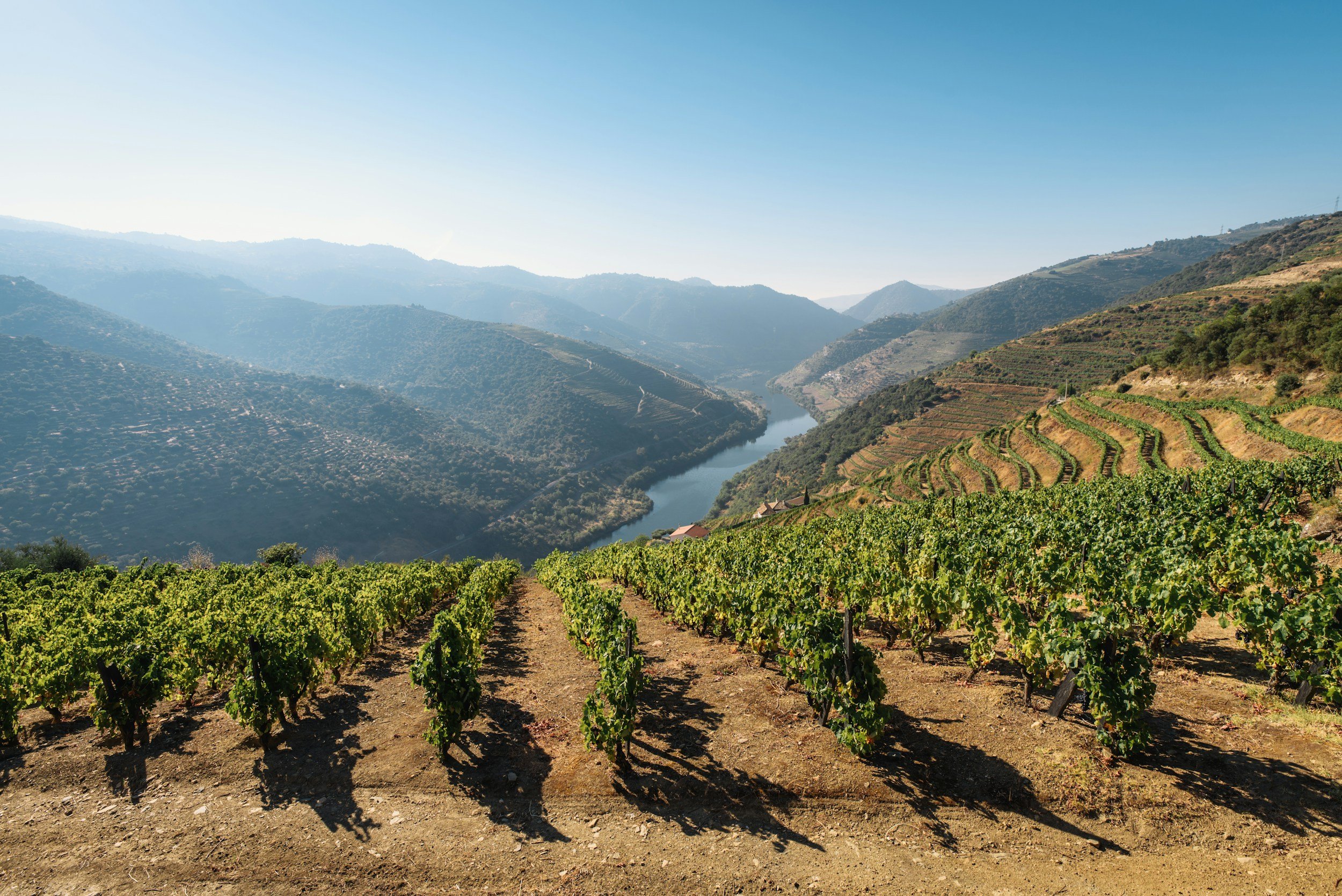
The Douro is Portugal's most famous wine region and one of the oldest demarcated wine regions in the world. Its steep, schist terraces climb from the river, and the valley is UNESCO-recognized. It's the home of Port, the fortified wine made here, and of increasingly serious dry reds and whites made from the same native grapes. The best way to see it is by staying at a quinta, then taking time on the water.
Vinho Verde, Dão & Bairrada — Beyond the Douro
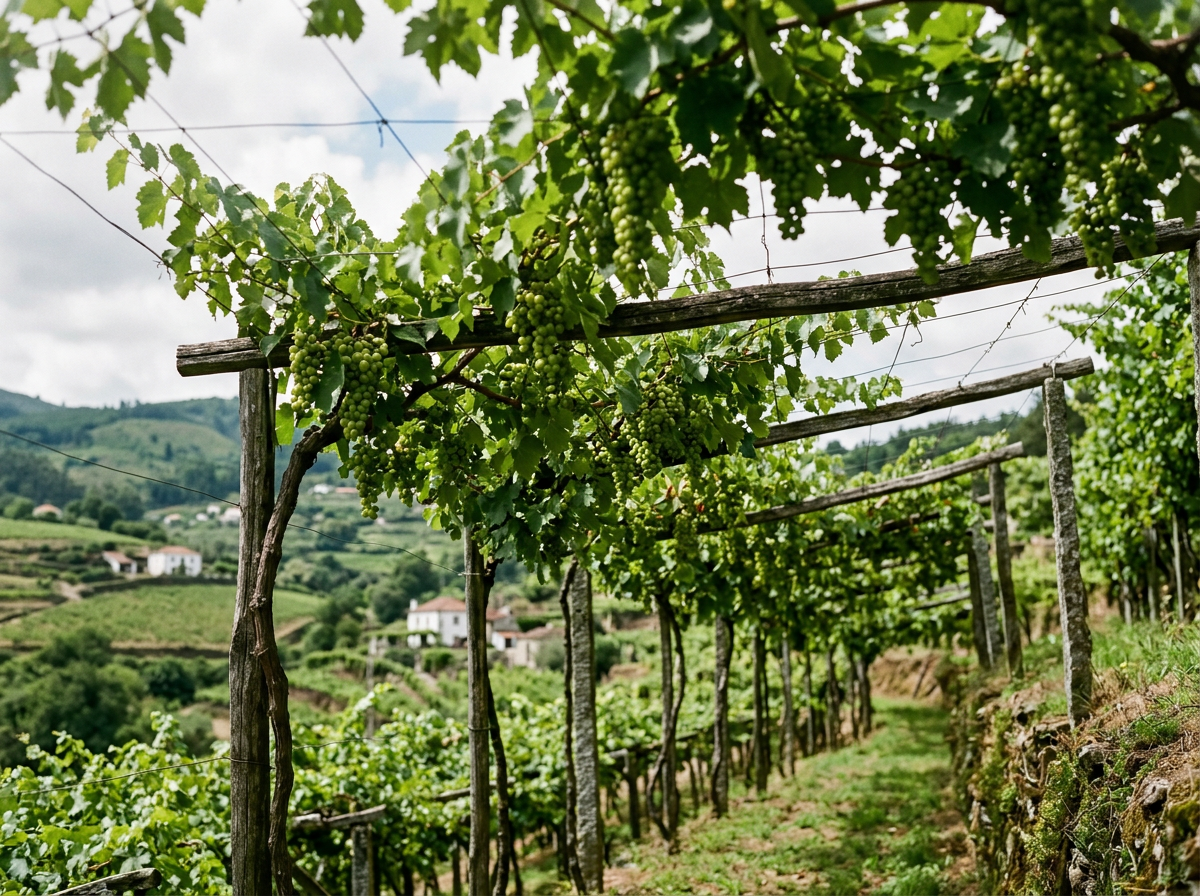
Three regions in the north and center of the country are worth a day trip from Porto or the Douro. Vinho Verde, in the green, rainy northwest, makes light, crisp, often lightly sparkling whites, led by Alvarinho and Loureiro, and is made for fresh seafood. Dão, on granite soils inland, makes elegant reds led by Touriga Nacional. Bairrada, between Porto and Coimbra, is known for the tannic Baga grape and traditional-method sparkling wine. I'd pair all three with a stay in Porto or the Douro.
Alentejo — Warm Plains and Cork Oaks
Alentejo is a vast, warm region of rolling plains, cork oak, and whitewashed villages. It makes generous, fruit-forward reds and fresh whites, and it's one of Portugal's most forward-looking regions for sustainability. It's also the home of Vinho de Talha, wine made in clay amphorae, a tradition thousands of years old. The pace here is slow, and the hotels reflect that.

Lisbon & the Setúbal Peninsula — Wine Within Easy Reach of the Capital
Just south of Lisbon, the Setúbal Peninsula is known for Moscatel de Setúbal, a sweet fortified wine, and for easygoing reds and whites. It's the easiest wine day trip from the capital, and Lisbon itself has an excellent wine-bar scene for tasting without leaving the city.
Madeira — Fortified Wine in the Atlantic
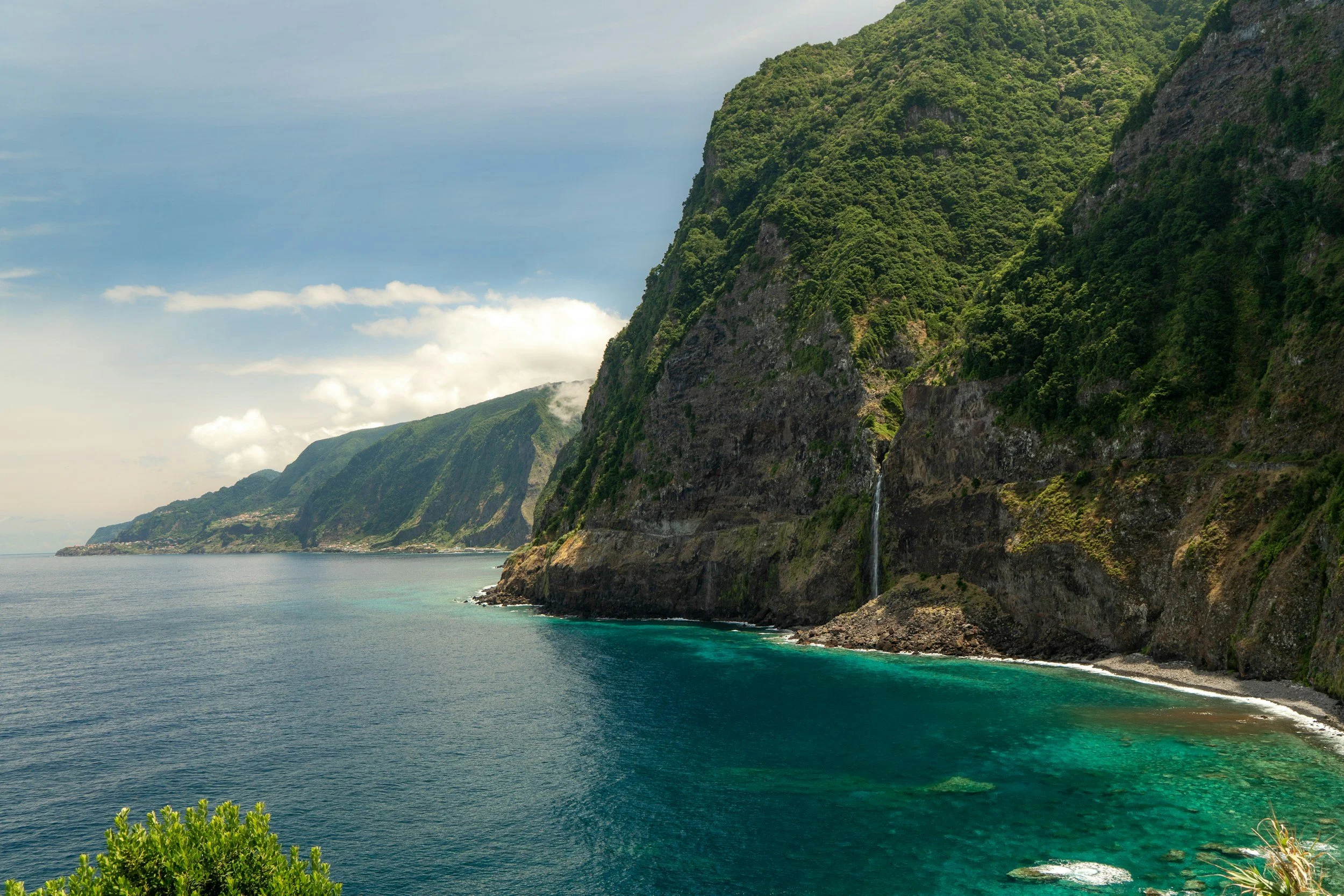
Madeira is a volcanic island off the coast of Morocco with a wine style found nowhere else. Madeira wine is heated and deliberately oxidized during aging, which makes it among the longest-lived wines in the world. Styles range from dry Sercial to rich Malmsey, and the island is as much a garden-and-hiking destination as a wine one.
Beyond the Classics: The Azores and Trás-os-Montes
If you've done the famous regions, these two reward the curious. The Azores make mineral, volcanic whites from vines grown in stone-walled enclosures, including on Terceira Island at Adega Cooperativa dos Biscoitos. Trás-os-Montes, in Portugal's far northeast, is remote, high-altitude, and little-visited, with wines that are hard to find outside the region.
Women-Led Producers to Know: Serenada (Alentejo), Kopke (Douro), and Madeira Vintners (Madeira).
What's New in Portuguese Wine in 2026
- Harvest Forecast: Portugal's wine institute is forecasting a national 2026 harvest up about 12% on last year, at roughly 6.7 million hectolitres, making it one of the few major northern-hemisphere producers expecting a rise.
- Alentejo Adjustments: In the Alentejo, some producers have moved picking to after dark as daytime temperatures topped 40°C.
- Regulations & Heritage: Vinho de Talha now has official labeling rules for the Alentejo, and the Vidigueira area is relaunching a UNESCO heritage bid targeted for 2027.
- Milestone Achievement: Tiqena Macena became Portugal's first Master of Wine in 2026.
Not sure which region fits you? Tell me what you love and I'll match you.
Start a conversation with me →What Grapes Should I Know Before Visiting Portugal's Wine Country?
You don't need to memorize every denomination — just the handful of grapes that define each region you're visiting.
| Region | Key Grapes | What to Know |
|---|---|---|
| Douro Valley | Touriga Nacional, Touriga Franca, Tinta Roriz, Tinta Barroca | The same grapes make Port and dry reds. Port can be ruby or tawny, and is sweet and fortified. |
| Vinho Verde | Alvarinho, Loureiro, Arinto | Light, crisp, high-acid whites, sometimes lightly sparkling. Best with seafood. |
| Dão | Touriga Nacional, Jaen, Encruzado | Elegant reds and structured whites from granite soils. |
| Bairrada | Baga, Bical | Baga is tannic and age-worthy. Bairrada also makes traditional-method sparkling wine. |
| Alentejo | Aragonez, Trincadeira, Alicante Bouschet, Antão Vaz, Arinto | Warm-climate, fruit-forward reds and fresh whites. Look for Vinho de Talha. |
| Lisbon & Setúbal | Castelão, Fernão Pires, Moscatel | Moscatel de Setúbal is a sweet fortified wine. Reds and whites are easygoing. |
| Madeira | Sercial, Verdelho, Boal, Malvasia, Tinta Negra | Styles run from dry (Sercial) to rich (Malvasia). The wine is heated and oxidized, so it keeps for decades once opened. |
| Azores | Verdelho, Arinto dos Açores, Terrantez do Pico | Mineral, volcanic whites from small, stone-walled vineyards. |
What Makes Portuguese Wine Culture So Distinct?
Portuguese wine culture is deeply local. The Douro was formally demarcated in 1756, making it one of the oldest regulated wine regions in the world, and its UNESCO-recognized terraces were built by hand over centuries. Port is traditionally shipped downriver to Porto and aged in cellars in Vila Nova de Gaia, which is why the Port lodges still line the river there. In Madeira, the wine's unusual style comes from its history as ballast on long sea voyages, when heat and motion changed it for good. In the Alentejo, Vinho de Talha carries on a winemaking method that dates back to Roman times.
The sensory side is part of the experience: long lunches that start with bread, cheese, and olives, seafood grilled over charcoal, and the sound of fado drifting out of a Lisbon doorway. Plan your wine days around where you'll eat. That's how people here do it.
Where to Stay in Portugal
Portugal offers wine country stays for every kind of traveler, from working quintas to design-forward retreats. Every category below can be booked directly or fully arranged for you.
Quintas & Wine Estate Stays
Waking up inside a working wine property puts you in the rhythm of the place.
The Wine House Hotel, Quinta da Pacheca (Douro Valley): A wine estate stay in the Douro for travelers who want to taste where they sleep.
Quinta de São Bernardo Winery & Farmhouse (Mesão Frio, Douro): A working quinta with a farmhouse feel, for a more private, rural stay.
Torre de Palma Wine Hotel, Monforte, a Member of Design Hotels (Alentejo): A wine hotel in the Alentejo for travelers who want design and a working estate in one stay.
São Lourenço do Barrocal (Alentejo): A restored farm estate in the Alentejo for a slow, landscape-focused stay.
Spa & Design-Led Retreats
For guests who want to slow down between tastings.
Six Senses Douro Valley (Douro Valley): A spa retreat in the hills for guests who want wellness alongside wine.
Octant Douro (Castelo de Paiva, Douro): A contemporary stay in the valley for travelers who prefer a modern base.
Sublime Comporta (Alentejo coast): A beachside retreat for travelers pairing wine country with the Alentejo coast.
Vermelho Melides, Relais & Châteaux (Alentejo coast): A Relais & Châteaux stay near the coast for a private, design-led escape.
Madeira
Reid's Palace, A Belmond Hotel, Madeira (Funchal): A grand, historic clifftop hotel for those who value classic luxury and Atlantic views.
Savoy Palace, The Leading Hotels of the World (Funchal): A large, polished resort hotel for travelers who want full amenities.
The Reserve, The Leading Hotels of the World, Savoy Signature (Funchal): A more intimate luxury stay for travelers who prefer a quieter pace.
Lisbon
Palácio Ludovice Wine Experience Hotel (Lisbon): A palace hotel designed around wine, with tastings on the property.
Pousada de Lisboa, Small Luxury Hotels of the World (Lisbon): A historic hotel on the waterfront square, for travelers who want to be in the middle of the city.
Bairro Alto Hotel (Lisbon): A boutique stay in one of Lisbon's liveliest neighborhoods.
Wine & Books Lisboa Hotel (Lisbon): A smaller boutique hotel with a wine-and-literature theme.
How Do I Get Around Portuguese Wine Country?
| Region | Gateway | Getting Around |
|---|---|---|
| Douro Valley | Porto, about 1.5–2 hours by car | Rental car or driver. The scenic train and river cruises are good additions. |
| Vinho Verde, Dão & Bairrada | Porto or Coimbra, about 1–2 hours depending on the region | Rental car or driver |
| Alentejo | Lisbon, about 1.5–2 hours by car | Rental car or driver |
| Lisbon & Setúbal | Lisbon | Walkable and metro in the city, driver or ferry for the peninsula |
| Madeira | Funchal airport, about 1.5 hours by air from Lisbon | Rental car or driver |
| Azores | Ponta Delgada or Terceira airports | Rental car |
Journey times are approximate, so confirm before booking. For most regions, the quintas sit outside the towns and public transport doesn't reach them. A driver also means you can actually taste.
Portugal Winery & Quinta Recommendations
These are estates worth visiting for the experience as much as the wine, not just tasting rooms, but places where you can understand how the wine is made and who made it.
Book Before You Go: Walk-in tastings aren't the norm in Portugal, especially at smaller family-run quintas. Contact them ahead, ideally a few days to several weeks in advance, and ask about visit and tasting fees. Many limit visits in August.
Short on time? Start at a wine bar. A good one in Lisbon or Porto lets you taste several producers by the glass, with no advance booking and no driving. It's the best way to sample broadly before deciding which quinta is worth the drive.
Women-Led & Women-Founded Producers
One of the most exciting developments in Portuguese wine is the rise of women winemakers. These are the producers I prioritize when building Women & Wine itineraries.
Serenada / Jacinta Sobral (Alentejo): A family estate of more than 300 years, led by winemaker Jacinta Sobral, known for a Touriga Nacional pét-nat.
Kopke / Carla Maria Dias Tiago (Douro): The oldest Port house, founded in 1638, with Carla Maria Dias Tiago as head winemaker and master blender.
Madeira Vintners / Suzanne Pedro and Lisandra Gonçalves (Madeira): A women-led winery founded in 2012.
Essential Visits
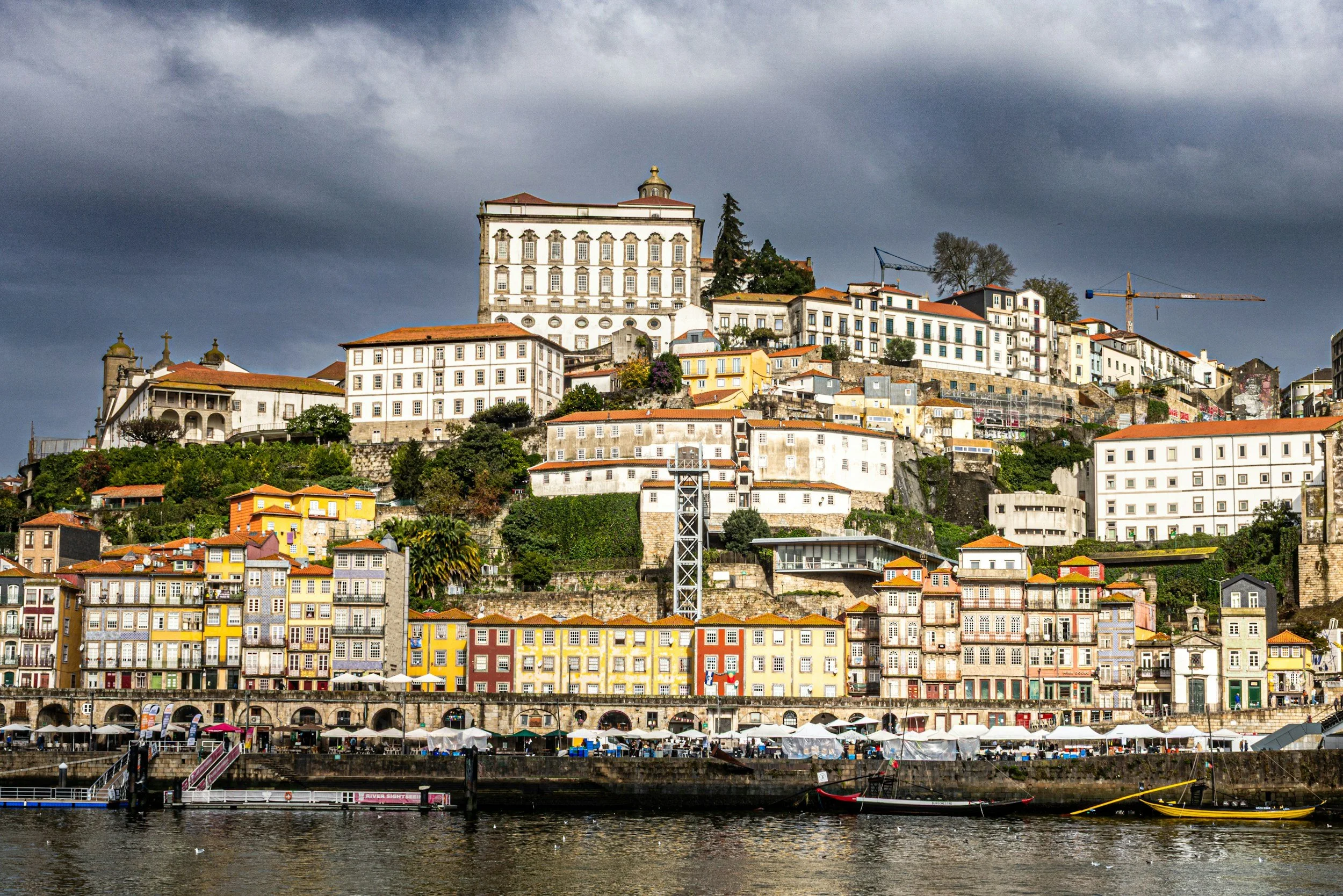
Port lodges in Vila Nova de Gaia (Porto): Cellars where Port ages, within easy reach of Porto's riverfront, such as Cockburn's Port Lodge, Graham's Port Lodge, Taylor's Port Cellar, Caves Cálem, and Porto Augusto's.
Quinta da Pacheca (Douro): A tasting experience that pairs naturally with a stay at The Wine House Hotel.
Herdade das Servas (Alentejo): An Alentejo estate known for its move to night harvesting.
Madeira wine lodges (Funchal): Cellars where Madeira ages, within the city.
Can I Ship Wine Home From Portugal?
Yes, but you'll need a private carrier or licensed shipper. The U.S. Postal Service doesn't allow alcohol shipments, so if a quinta or wine shop offers to ship your purchase, they're using a courier on your behalf. Most quintas and wine shops that sell to travelers do this routinely and can quote you on the spot.
What it costs: Wineries with a dedicated door-to-door U.S. arrangement typically charge around €105 for a 6-bottle case and €200 for a 12-bottle case. Most carriers bill in multiples of 6 or 12 bottles.
What else you may owe: If the quote isn't all-inclusive, expect U.S. customs duty and possibly a customs broker fee on top. U.S. tariffs on European wine have changed several times over time, so always ask your shipper for the total landed cost before you pay.
The VAT advantage: When a Portuguese merchant ships directly to an address outside the EU, you generally don't pay Portuguese VAT. On higher-priced bottles or aged Port, that saving can offset part of the shipping cost.
The DIY alternative: If you're only bringing home a bottle or two, a padded wine protector sleeve in checked luggage is the simplest option. Travelers get a 1-liter duty-free allowance per person, and a few states cap how much wine can enter without a license, so check your home state's rules.
Rules and rates shift periodically, so always confirm current pricing and customs terms with your shipper or the quinta directly before you commit to a large order.
Book a Tasting
- 🔗 Wine Tours & Experiences in Portugal: Get Your Guide: Portugal Tours & Activities →
Want more options? Head to the Vault → for my full list of vetted travel partners.
Disclosure: Some links on this page earn me a commission at no cost to you.
What's the Best Time to Visit Portugal, Season by Season?
The quick answer: harvest season (September–October) is best. Here's the full picture for planning around your own schedule.
September – October
Harvest transforms the countryside. Quintas open their doors, restaurants change their menus, and the vineyards are at their most alive. In the Douro, this is when the valley turns gold and red.
May – June
Portugal is green and open before the summer heat. Quintas are less busy, the weather is ideal for long lunches outdoors, and this is a wonderful time for a smaller, more private experience.
November – March
Quintas are quiet and hospitality is more personal. Worth considering for an immersive, off-season experience, especially in Lisbon and Madeira, where winters stay mild.
July – August
Beautiful, but very hot in the interior, and some smaller producers limit visits. If summer is your only option, head to the coast, Madeira, or the Azores, where the weather is milder, and book tastings early.
What Wine Pairs with Portuguese Food, Region by Region?
The rule that works almost without exception: drink the wine of the region with the food of the region.
| Region | Wine | Food Pairing |
|---|---|---|
| Douro Valley | Tawny Port | Aged cheese, almonds, or egg-based desserts |
| Douro Valley | Douro red | Grilled meats or roast kid |
| Vinho Verde | Alvarinho / Loureiro | Grilled sardines, shellfish, or fresh seafood |
| Dão | Touriga Nacional red | Roast meats or regional cheese |
| Bairrada | Baga / sparkling | Leitão (suckling pig), the region's famous dish |
| Alentejo | Red blend | Porco preto (black pork) or açorda |
| Lisbon & Setúbal | Moscatel de Setúbal | Orange cake or queijadas |
| Madeira | Sercial / Verdelho | Olives, salted almonds, or consommé |
| Madeira | Malmsey | Chocolate desserts or fruitcake |
If Portugal Isn't the Right Fit, Where Else Should I Go?
If Not Portugal, Then Where?
📍 Spain
Value & BodegasIf you want a similar wine experience with a different feel, Spain is my first suggestion for good value and a long tradition of bodegas.
My Spain Travel & Wine Guide →📍 Italy
The Classic ChoiceExplore world-renowned historic vineyards, regional dining, and centuries-old viticultural traditions across Tuscany, Piemonte, and beyond.
My Italy Travel & Wine Guide →📍 France
Grand TerroirDiscover the legendary grand estates, village appellations, and fine dining traditions of Champagne, Burgundy, Bordeaux, and the Loire Valley.
My France Travel & Wine Guide →Ready to plan your Portugal trip? I curate the quintas, the stays, and the itinerary — every detail, built around what you actually want from the trip. Reach out and let's build it.
Let's Build Your Trip →The Wine Country Collection
Explore my curated series of viticulture and wine-focused destination guides.
Europe & Old World
- Italy Travel & Wine Guide →
- France Travel & Wine Guide →
- Spain Travel & Wine Guide →
- Portugal Travel & Wine Guide →
- Georgia In Pipeline
- Germany & Austria In Pipeline
- Greece In Pipeline
Southern Hemisphere
- South Africa Wine Guide →
- Argentina & Chile Writing Next
- Australia & New Zealand In Pipeline
Emerging Frontiers
- Armenia In Pipeline
- Lebanon In Pipeline
- Asia Overview In Pipeline